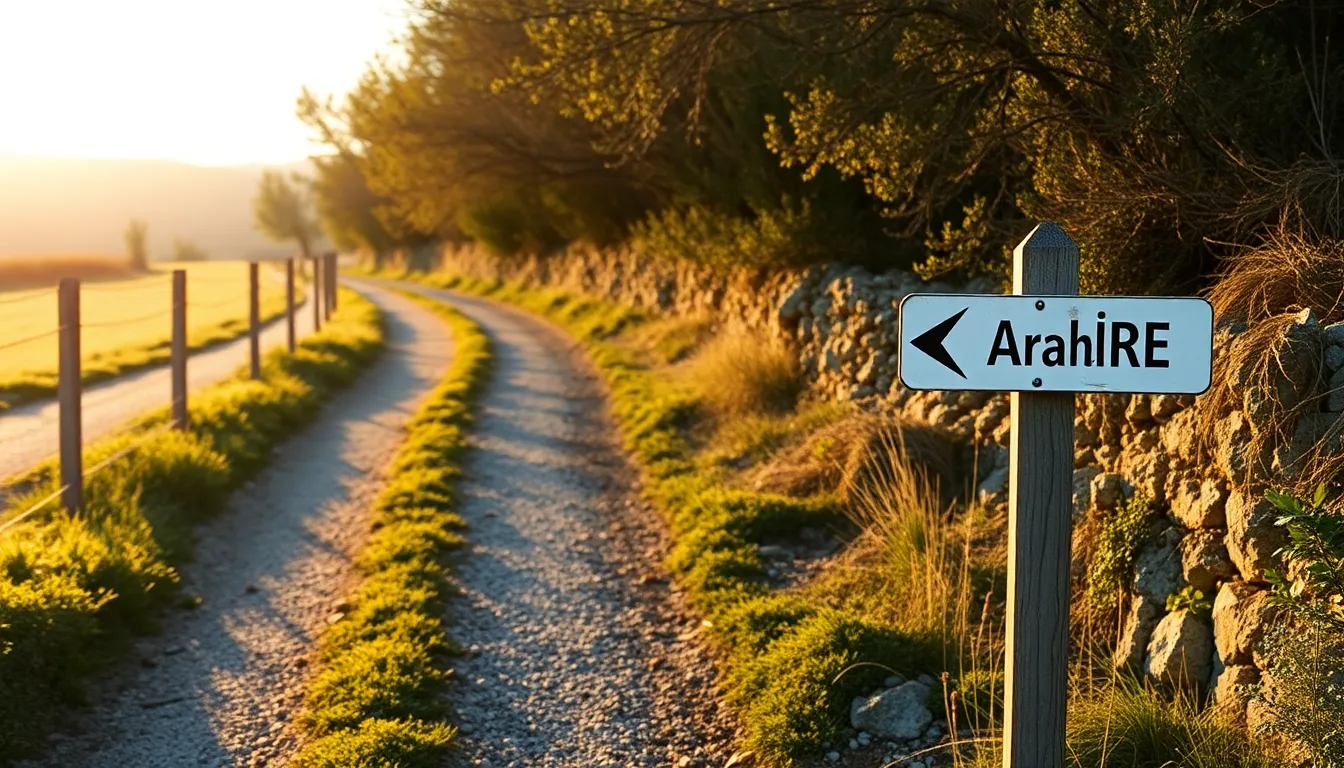
People ask me which Camino they should walk, and the assumption behind the question is almost always the same. They picture the French Way, the famous route across northern Spain. What most of them do not know is that a quieter, older path runs north out of Portugal to the same destination, and for a faith group it is often the better choice. The Camino Portugues, the Portuguese Way, carries a fraction of the foot traffic of the French route, passes through some of the most beautiful country in Iberia, and ends at the same place every Camino ends: the tomb of the Apostle James in Santiago de Compostela.
I have walked sections of it with groups more than once, and I want to give you an honest, practical picture of what it is, where it starts, and how to lead a group along it without anyone getting hurt or overwhelmed.
Why Santiago, and Why the Portuguese Way
The whole Camino tradition rests on one belief: that the body of the Apostle James, one of the Twelve, was brought to the northwest corner of Spain after his martyrdom in Jerusalem, and that his tomb was rediscovered there in the early ninth century. A cathedral rose over the site, the city of Santiago de Compostela grew around it, and by the Middle Ages the route to that tomb had become one of the three great pilgrimages of Christendom, alongside Rome and Jerusalem.
The Portuguese Way is one of the historic approaches. Portuguese pilgrims, and many before them, walked north from Lisbon, Coimbra, and Porto toward the apostle’s tomb for centuries. Queen Isabel of Portugal, herself later canonized, made the pilgrimage in the fourteenth century and left her crown at the cathedral. The route is genuinely old, genuinely Catholic, and far less commercialized than the French Way. For a group that wants the pilgrimage without the crowds, that combination is hard to beat.
The Routes: Where Your Group Can Begin
The Camino Portugues is not a single trail. It is a network of historic routes, and choosing the right starting point is the most important planning decision you will make.
The Full Way from Lisbon
The classic, complete Portuguese Way begins in Lisbon and runs roughly 620 kilometers to Santiago. It is long, several weeks on foot, and the stretch out of Lisbon is the least walked and least supported part of the whole network. I do not recommend it as a first group pilgrimage. It suits seasoned walkers who want the full historic distance and are comfortable with sparse infrastructure. For most faith groups, it is more than they need or want.
Porto: The Practical Starting Point
The overwhelming majority of pilgrims start in Porto, and for good reason. From Porto to Santiago is about 240 to 260 kilometers, roughly twelve to fourteen days at an unhurried pace. The path is well waymarked with the yellow arrows and scallop shells, the towns are close together, and there are plenty of places to sleep and eat. Porto itself is a beautiful city to begin in, and the cathedral there is a fitting place to receive a pilgrim blessing before setting out.
From Porto you choose between two main variants. The Central Route runs inland through historic towns like Barcelos, Ponte de Lima, and the lovely riverside crossing at Valenca into Spain. The Coastal Route hugs the Atlantic for the first stretch before turning inland. Many groups walk the coast for the early days, then join the central path. Both are valid, both are well supported, and both end at the same cathedral.
The Last 100 Kilometers
Here is the practical point every group leader needs to know. To receive the Compostela, the official certificate of completion, a pilgrim must walk at least the final 100 kilometers on foot and collect stamps in a pilgrim passport along the way. On the Portuguese Way that means starting at Tui, the Spanish border town, or just before it. A walk from Tui to Santiago runs about 115 to 120 kilometers, roughly five to six days, and it is by far the most popular option for groups with limited time.
For most faith communities I lead, the last 100-plus kilometers is the sweet spot. It earns the Compostela, it takes a manageable week, and it delivers the full emotional arc of arriving at the cathedral without demanding a month away from home.
Leading a Group on the Camino
Walking with a group is different from walking alone, and a few things matter more than people expect.
Pace to the slowest walker, not the fastest. A faith group spans a range of ages and fitness levels, and the Camino is not a race. Build rest days into a longer route. Plan daily distances on the conservative side, fifteen to twenty kilometers rather than twenty-five, especially in the first days while bodies adjust.
Support vehicles change everything for a mixed group. Having a vehicle carry the luggage from town to town, and able to pick up anyone who needs a rest, means people who could never carry a full pack for a week can still complete the pilgrimage on their own feet. This is one of the main reasons groups travel with an organizer rather than going it alone.
Footwear and feet are the whole game. Broken-in walking shoes, good socks, and a basic blister kit prevent the injuries that derail more pilgrimages than anything else. I tell every group the same thing before we leave: nothing new on your feet on day one.
Build in the prayer. A group Camino can become just a long walk if you let it. The communities I have walked with that found it most meaningful were the ones that gathered briefly each morning or evening, marked the day’s intention, and treated the arrival at each church along the way as more than a photo stop.
Arriving at Santiago
However you walk it and wherever you begin, the destination is the same. The path leads to the Praza do Obradoiro and the great baroque face of the Cathedral of Santiago de Compostela. Inside, pilgrims descend to the crypt to pray at the tomb of Saint James, and many climb behind the high altar to embrace the statue of the apostle, a gesture pilgrims have made for centuries.
The Pilgrim’s Mass is held daily, and on some days the great botafumeiro, the enormous silver censer, is swung across the transept by a team of men, trailing incense over the heads of the pilgrims who have arrived that day. There is no guarantee it will swing on the day your group arrives, since it depends on the liturgical calendar and on donations, but when it does, it is unforgettable.
Watching a group reach that square after days on foot, tired and quiet and aware of what they have done together, is one of the reasons I do this work.
FAQ: The Camino Portugues
How long does the Camino Portugues take?
It depends entirely on where you start. The full route from Lisbon runs about 620 kilometers and takes several weeks. From Porto it is roughly 240 to 260 kilometers and about twelve to fourteen days. The most popular option for groups starts at Tui on the Spanish border and covers the final 115 to 120 kilometers in five to six days, which is enough to earn the Compostela certificate.
Where does the Camino Portugues start?
Historically it began in Lisbon, and the full route still does. In practice most pilgrims start in Porto, which has good infrastructure and is a beautiful city to begin in. Groups with limited time often start at Tui, just inside Spain, to walk the final 100-plus kilometers. You can begin at any of these points depending on how many days you have and how far your group wants to walk.
Do I need to walk the whole way to get the certificate?
No. To receive the Compostela you must walk at least the final 100 kilometers on foot and collect at least two stamps per day in a pilgrim passport, called a credencial, along the way. On the Portuguese Way that means starting from Tui or just before it. This is why the last stage is the most popular choice for groups, since it earns the certificate within about a week.
Is the Portuguese Way easier than the French Way?
It is generally flatter and less crowded than the French Way, which many walkers find easier in both senses. The terrain on the Portuguese Way is mostly rolling rather than mountainous, and the foot traffic is far lighter, which means a quieter, more reflective pilgrimage. The tradeoff on the full Lisbon route is sparser support in the early stretches, which is one more reason most groups begin in Porto or Tui.
What time of year is best to walk the Camino Portugues?
Late spring and early fall, roughly May into June and September into October, offer the best balance of mild weather and manageable crowds. Midsummer can be hot and busier, and winter brings rain and shorter days to this part of Iberia. For a mixed-age faith group, the shoulder seasons keep the walking comfortable and the towns lively without the peak-season crush.
If your community is drawn to the idea of walking to Santiago, I would love to help you choose the right starting point and build a route that fits your group’s pace and the time you have. The Camino is one of the few heritage journeys where the path itself is the experience, and getting the logistics right is what frees your people to actually pray as they walk. It pairs well with time in Coimbra and its cathedrals and the wider spiritual sites of Portugal before you set out.
See how we structure these journeys on our Portugal destination page and our group heritage tours, where group leaders travel free with fifteen or more participants. Contact us when you are ready to start planning.