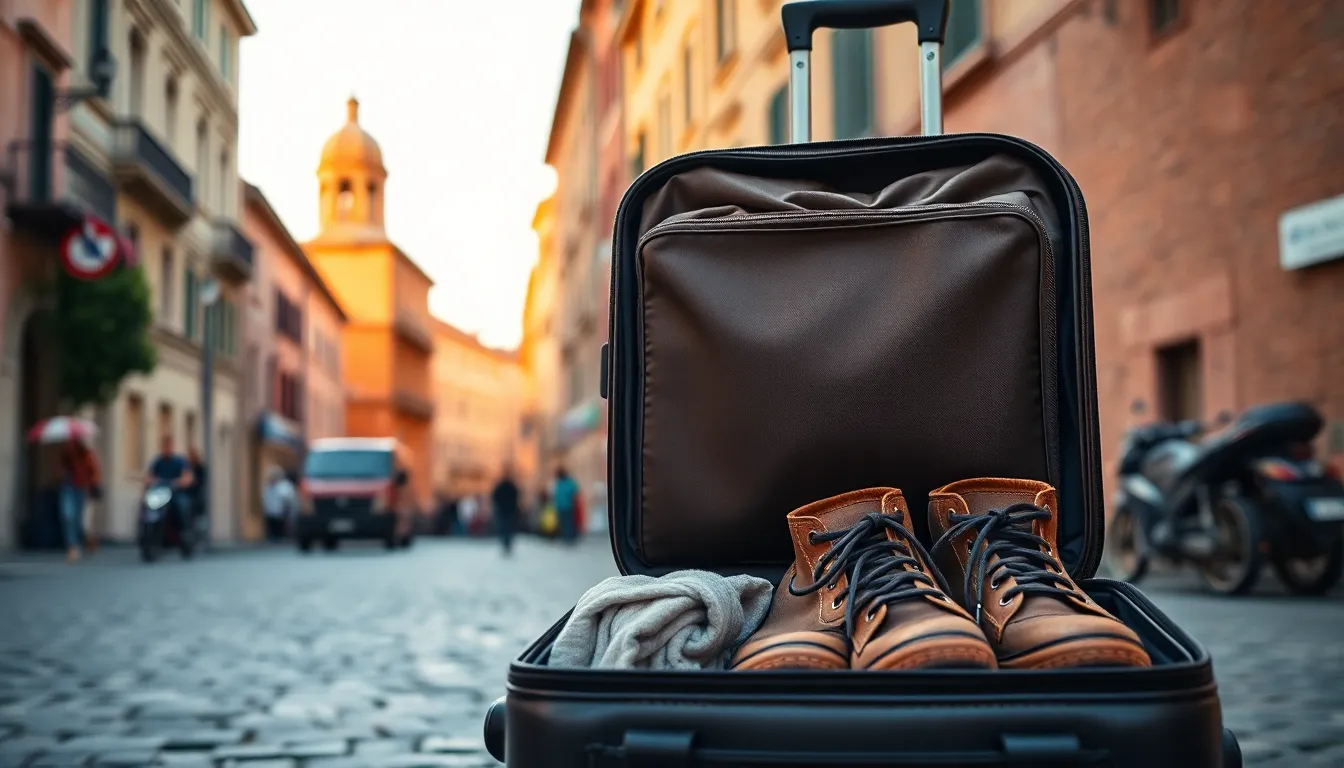
I keep a running list of the things that go wrong on heritage trips, and packing mistakes sit near the top, not because they ruin a trip, but because they are so easily avoided. A traveler turned away from St. Peter’s for bare shoulders. A member limping by day three in brand-new shoes. A retiree shivering through a foggy morning in Venice because the packing list said “Italy is warm.”
After forty years of sending packing guidance to congregations, I have learned that a heritage tour needs a different list than a regular Italian vacation. The sacred sites have rules, the days are long and on your feet, and your group spans a range of ages and abilities. Here is what actually belongs in the suitcase.
The Non-Negotiable: Modesty Layers for Sacred Sites
This is the single most important thing on the list, and the one regular travel guides ignore. Italy’s churches, the Vatican, and its synagogues enforce a dress code, and your travelers will be denied entry without the right clothing.
The standard is consistent across most sacred sites: shoulders covered, knees covered, for everyone. At the Vatican specifically, this is enforced at the door by staff, and people are turned away. Synagogues in Rome and Venice expect modest dress as well, and men will need head covering in some, which is usually provided but worth knowing.
The simplest solution is a layer that lives in every traveler’s day bag:
- A lightweight scarf or shawl that drapes over bare shoulders in a second. This is the workhorse. It weighs nothing, fits in a small bag, and solves the shoulder rule instantly for warm-weather visits.
- Pants, long skirts, or knee-length-plus clothing for any day with a church or synagogue on the itinerary, which on a heritage tour is most days.
- A light cardigan or wrap that doubles as a cover-up and a warmth layer for cool interiors, which even grand basilicas are.
I tell my groups to think of one modesty layer as part of their everyday kit, not a special outfit. Pack it so it is always in the day bag, never back at the hotel when you need it. Our guide to visiting the Vatican with a group goes deeper on exactly where this rule bites.
Shoes: The Decision That Makes or Breaks the Trip
If I could control one thing in every traveler’s suitcase, it would be the shoes. A heritage day in Italy means hours on your feet, often across cobblestones, uneven ancient stone, and long museum galleries. The Vatican walk alone is substantial.
Pack broken-in walking shoes. Not new ones bought for the trip, broken-in ones with real support and a closed toe for the rough stone. I have watched too many travelers ruin a week with blisters because they saved their new sneakers for Italy. Bring a second comfortable pair so you can rotate and let one dry out. Skip the fashion footwear for touring days entirely; cobblestones and thin soles do not mix.
For older members of your congregation especially, the right shoes are not a comfort issue, they are whether they can fully participate. This is worth saying plainly in your pre-trip packet.
Pack for the Season You’re Actually Traveling
“Italy is warm” is true in July and dangerously misleading in November. Pack for your specific window. Our season-by-season guide to visiting Italy has the temperature detail, but here is the packing translation.
Spring (March to May)
Layers. Mornings are cool, afternoons warm, and interiors are cold. A light jacket, a sweater, and that scarf cover most situations. Pack a compact umbrella; spring rain is common.
Summer (June to August)
Light, breathable clothing in natural fabrics, but still modest enough for sacred sites, which is the tension every summer traveler faces. Loose long pants and breathable long skirts beat shorts here because they keep you cool and keep you compliant with church dress codes. Add a sun hat, sunglasses, and a refillable water bottle. The heat is real, especially in Rome.
Autumn (September to October)
Similar to spring: layers for cool mornings warming to mild afternoons. A light jacket and a sweater. The light is golden and the weather is forgiving, but evenings cool off.
Winter (December to February)
Genuinely cold, especially in the north. A warm coat, sweaters, a scarf and gloves, and waterproof shoes. Venice in January can be foggy and damp; Florence can be rainy. Do not let anyone in your group pack as if Italy is mild in winter, because it is not.
The Site-Access and Practical Kit
Beyond clothes, a few items make the daily logistics smoother for everyone.
- A small day bag, soft-sided. Large bags must be checked at the Vatican Museums and some sites, so a small bag moves you through faster.
- A refillable water bottle. Rome has public fountains with safe, cold drinking water, and the museum walks are long and warm.
- Photocopies and digital copies of passports, kept separate from the originals.
- Any medications in original containers, in your carry-on, with enough for the full trip plus a few extra days. This matters most for older travelers and is worth a direct reminder.
- A European plug adapter (Italy uses Type C/F, 230V) and a portable phone charger for long days out.
- A light rain layer or compact umbrella in every season but high summer.
A Word on Luggage Itself
Heritage tours move between cities, and your group will handle their own bags more than they expect: hotel lobbies, elevators, the occasional flight of stairs in an old building. Pack lighter than you think you need. One checked bag and one carry-on per person is plenty for a ten-day trip if you build around layers and neutral colors that mix. The traveler with the enormous suitcase is always the one struggling on the steps of a four-hundred-year-old hotel. Help your group avoid being that person.
FAQ: Packing for an Italy Heritage Tour
What is the dress code for churches and the Vatican in Italy?
Shoulders and knees must be covered, for everyone, men and women. At the Vatican it is enforced at the entrance and travelers are turned away. The easiest fix is a lightweight scarf or shawl in every traveler’s day bag to cover shoulders instantly, plus long pants or knee-length-plus clothing on days with churches or synagogues, which on a heritage tour is most days.
What shoes should I pack for Italy?
Broken-in walking shoes with real support and a closed toe for cobblestones and ancient stone, never new shoes bought for the trip. Bring a second comfortable pair to rotate. Heritage days mean hours on your feet across uneven surfaces, so for older travelers especially, the right shoes determine how fully they can take part. Leave fashion footwear at home for touring days.
How should I pack differently for each season?
Spring and autumn call for layers: a light jacket, a sweater, and a scarf, plus a compact umbrella. Summer calls for light, breathable but still modest clothing, loose long pants or skirts rather than shorts, with a sun hat and water bottle. Winter is genuinely cold, especially in the north, so pack a warm coat, gloves, a scarf, and waterproof shoes.
Can I wear shorts in summer in Italy?
For sightseeing in the streets, yes, but not inside churches, the Vatican, or synagogues, where knees must be covered. Because a heritage itinerary visits sacred sites most days, lightweight long pants and breathable long skirts are the smarter summer choice: they keep you cool, keep you compliant, and save you from carrying a cover-up everywhere.
What essentials beyond clothes should our group pack?
A small soft-sided day bag (large bags get checked at the Vatican), a refillable water bottle for Rome’s drinking fountains, copies of passports kept separate from originals, all medications in original containers in the carry-on with extra days’ supply, a European plug adapter, and a portable charger. Pack light overall, since the group handles their own bags between cities.
A good packing list quietly prevents most of the small disasters of a heritage trip. We send every group a tailored list built around their dates and itinerary, so no one shows up underdressed for a basilica or under-shod for the cobblestones. See how our group tours are run, explore the Italy journey, and contact us to start planning a trip your whole congregation is ready for.