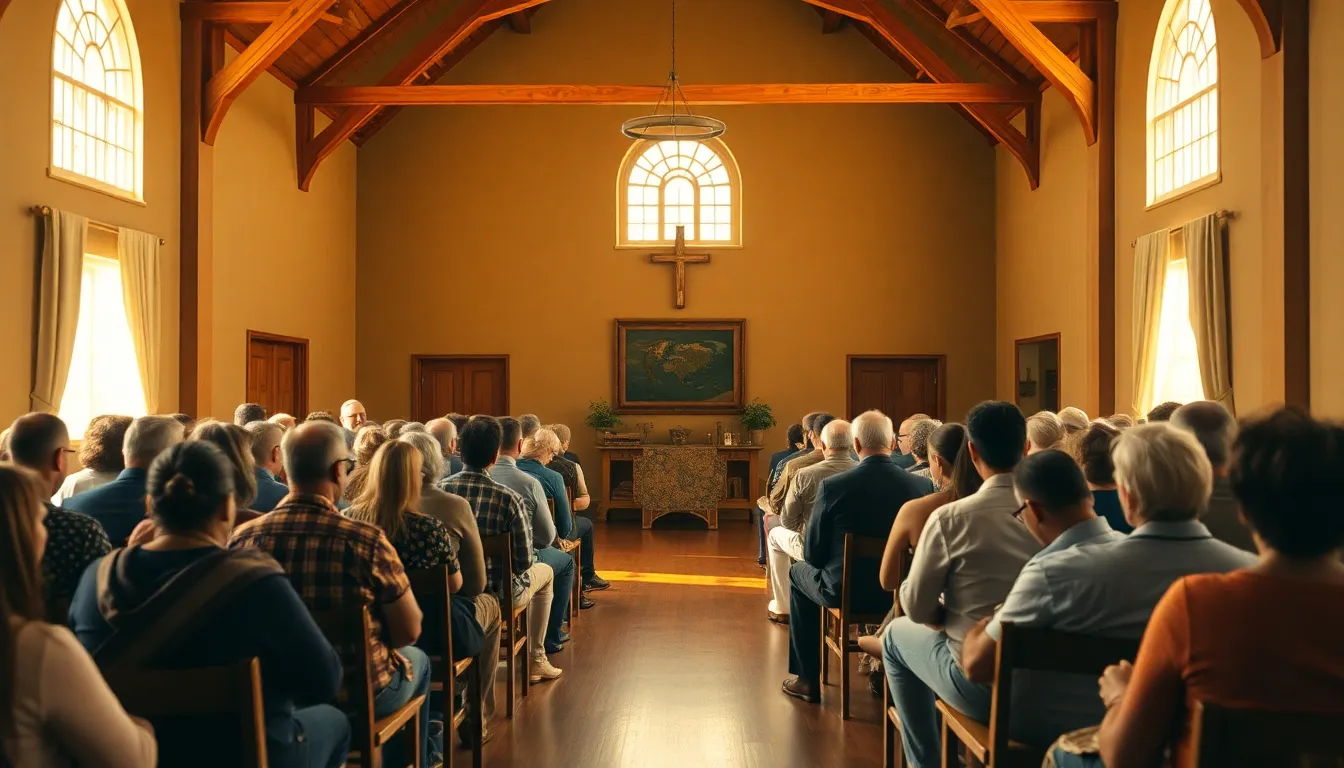
I have watched a lot of pastors talk themselves out of a Greece trip before they ever start, and it is almost never about the destination. It is about the money. They look at a per-person price, multiply it by the families in their congregation who could never absorb that cost, and quietly shelve the idea. I understand the instinct. But I want to push back on it, because I have seen congregations of very modest means get to Greece, and the thing that got them there was a plan, started early, run steadily.
Fundraising a heritage trip is not magic and it is not begging. It is a campaign, and a campaign has a timeline, a set of methods, and a few principles that keep it honest. Let me give you all three.
Start Eighteen Months Out, Not Six
The single biggest predictor of whether a congregation fundraises a trip successfully is how early they start. Money raised over eighteen months feels manageable. The same money squeezed into six months feels like pressure, and pressure is what makes people drop out.
When you give yourself a long runway, two good things happen. First, participants can make small, regular payments instead of one big one. Second, your fundraising efforts have time to compound. A bake sale in spring, a dinner in fall, a year-end giving push, those add up to real money when they are spread across the calendar instead of crammed together.
So before you think about a single fundraiser, set your dates and your target. Know roughly what the trip costs per person, decide what share you hope to offset through group fundraising, and count backward. For a sense of the numbers to plug in, our Greece heritage tour cost breakdown gives you realistic figures to build from.
Decide What You Are Actually Funding
This is the conversation most groups skip, and it causes friction later. Be clear from the start about what the fundraising covers. There are usually three honest models, and you should pick one deliberately.
Model One: A Shared Scholarship Fund
You raise money into a common pot that helps members who could not otherwise afford the trip. This is the most pastoral model and often the most motivating for donors, because they are sponsoring a brother or sister, not subsidizing a vacation. It needs a clear, fair way to allocate the help, ideally handled quietly by you or a small committee.
Model Two: Individual Fundraising Accounts
Each participant raises toward their own cost, often by asking their personal network to support their journey. This works well for younger travelers and for trips with a mission or service component. Be careful here about the tax and accounting rules in your country and your denomination, because money earmarked for a specific person is treated differently than a general gift.
Model Three: A Trip-Wide Cost Reducer
You raise money to lower the per-person price for everyone equally. Simple, transparent, and easy to explain from the pulpit. The downside is that it helps your most comfortable members as much as your least, so many congregations blend this with a scholarship fund.
Pick your model before you raise a dollar. Mixing them midstream is where trust gets damaged.
Fundraising Methods That Actually Work for Congregations
Here are the approaches I have seen work, ranked roughly by how much they tend to bring in relative to effort.
Sponsored or Themed Dinners
A well-run dinner is the workhorse of congregation fundraising. A Greek-themed meal, tied directly to the trip, does double duty: it raises money and it builds excitement for the destination. Charge a ticket, add a short presentation about the trip, and let people taste a little of where the group is going. People give more generously when they can see the thing they are funding.
A Direct Ask From the Pulpit and in Writing
Do not underestimate a clear, direct appeal. Many members will give to a congregation trip simply because their pastor or rabbi asked and explained why it matters. A short letter or email that lays out the spiritual purpose, the dates, the cost, and how to give, sent to the whole community, often raises more than three bake sales combined. Specific beats vague every time. Tell people the number and tell them what their gift does.
Recurring Small Payments for Participants
For the travelers themselves, set up a monthly payment plan toward their own cost. Eighteen monthly payments are far easier to absorb than one lump sum, and a steady plan keeps people committed. This is not fundraising in the donation sense, but it is the backbone of how most participants actually pay.
Year-End and Memorial Giving
If your congregation does an annual giving appeal, fold a trip line into it. Some members will give to the trip fund in memory or honor of someone, especially for a heritage journey with spiritual weight. Make it easy to designate a gift to the trip.
Goods and Service Fundraisers
Bake sales, car washes, craft fairs, and the like raise smaller amounts but do something the big methods do not: they get the whole congregation involved, including people who are not traveling. That involvement matters. A community that helped fund the trip feels ownership of it, and that ownership is part of the ministry.
Keep the Money Clean
I want to be direct about this, because it is where good intentions go wrong. Money and ministry have to stay clean, or the trip leaves a residue on the whole community.
A few firm principles:
- Run trip money through the congregation’s books, not a personal account. Transparency protects you.
- Keep clear records of who paid what and what each fundraiser brought in. A simple shared spreadsheet is enough.
- Be careful with tax-deductibility claims. Whether a gift is deductible depends on your country, your nonprofit status, and how the money is designated. When in doubt, ask your accountant before you tell anyone their gift is deductible.
- Communicate refund and deposit terms clearly upfront. People should know before they pay what happens if they have to drop out.
None of this is complicated, but skipping it is how a beautiful trip turns into a board dispute. Set the rails early.
Use the Group Leader Benefit in Your Plan
Here is a piece of the math that helps every congregation. With Heritage Tours, the group leader travels free when you bring fifteen or more participants. That removes the leader’s own cost from the equation entirely, which means every fundraising dollar goes toward your travelers instead of covering the organizer.
It also gives you a clear, motivating goal to rally the community around: get to fifteen, and the trip’s economics improve across the board. I encourage leaders to make that threshold a visible target from day one. It turns “will enough people sign up” into a shared mission rather than a private worry.
A Simple Eighteen-Month Timeline
If you want a skeleton to adapt, here is one I have seen work:
- Months 18 to 15: Set dates, confirm the trip, choose your funding model, and announce it to the congregation with a clear cost and purpose.
- Months 15 to 12: Open participant sign-ups and payment plans. Hold your first themed dinner.
- Months 12 to 6: Run two or three community fundraisers. Send a written appeal. Track progress toward your target and toward fifteen participants.
- Months 6 to 3: Final push, year-end giving if it fits, and confirm your group numbers.
- Months 3 to 0: Close out payments, finalize logistics, and shift the energy from fundraising to preparation.
Adjust the spacing to your community, but keep the shape: early start, steady effort, clear target.
For the rest of the planning picture, our Greece heritage travel tips hub ties the pieces together, and you can see how we structure trips on our Greece heritage page and our group heritage tours page.
FAQ: Fundraising a Greece Heritage Trip
How early should we start fundraising for a Greece trip?
Eighteen months out is ideal. A long runway lets participants pay in small monthly amounts and lets your fundraising efforts compound across the calendar. Six months is doable but stressful and tends to lose people. The earlier you start, the more reachable the trip becomes for families who could not otherwise afford it.
What is the single most effective fundraiser for a congregation trip?
A clear, direct written appeal from the clergy combined with a themed dinner tends to outperform almost everything else. The appeal works because members give when their pastor or rabbi asks and explains why it matters. The dinner works because it raises money and builds excitement at the same time. Specific asks beat vague ones every time.
Are donations to a congregation trip tax-deductible?
It depends on your country, your organization’s nonprofit status, and how the gift is designated. General gifts to a congregation fund are often treated differently than money earmarked for a specific traveler. Do not make deductibility promises until you have checked with your accountant, because getting this wrong damages trust.
Should we raise money for the whole group or for individuals?
Both models work, but pick one deliberately before you start. A shared scholarship fund is the most pastoral and often the most motivating. Individual fundraising accounts suit younger travelers but carry more accounting complexity. Many congregations blend a trip-wide cost reducer with a quiet scholarship fund to help those who need it most.
How does the free group leader spot affect our fundraising?
It removes the leader’s cost from the budget, so every fundraised dollar goes to your travelers. It also gives you a concrete rally point: reaching fifteen participants improves the trip’s economics for everyone. Make that threshold a visible community goal from the start, and fundraising momentum tends to follow.
If you tell me your congregation’s size, your timeline, and what your families can realistically manage, I will help you sketch a fundraising plan that fits your community instead of someone else’s. I have helped a lot of leaders turn “we could never afford that” into a group standing at Philippi. I would be glad to help you do the same.
Contact us whenever you are ready to start building the plan.