Once a group leader has decided where in Germany to go, the next question is almost always when. And for Germany, the real contest is between two windows: spring and autumn. Summer is crowded and can be hot, winter is short on daylight and cold for the long memorial walks these trips require. Spring and autumn are where the good heritage travel happens.
I have led Germany groups in both seasons for over twenty years, and I have a slight preference, which I will share, but the honest answer is that both are excellent and the right one depends on your community. Let me put them head to head across the things that actually matter for a faith group: weather, crowds, the faith calendar, daylight, and cost.
Weather: Both Comfortable, in Different Ways
Germany’s heritage sites are mostly outdoor or involve a lot of walking, memorial grounds, cemeteries, cobblestone old towns, castle approaches. Comfort matters more here than on an indoor museum trip.
Spring, roughly late April through June, brings warming days, green landscapes, blossoming towns, and a feeling of renewal. Mornings can still be cool and the weather is changeable, so layers and a rain jacket are essential. By late May and June, the days are mild and pleasant for long walking.
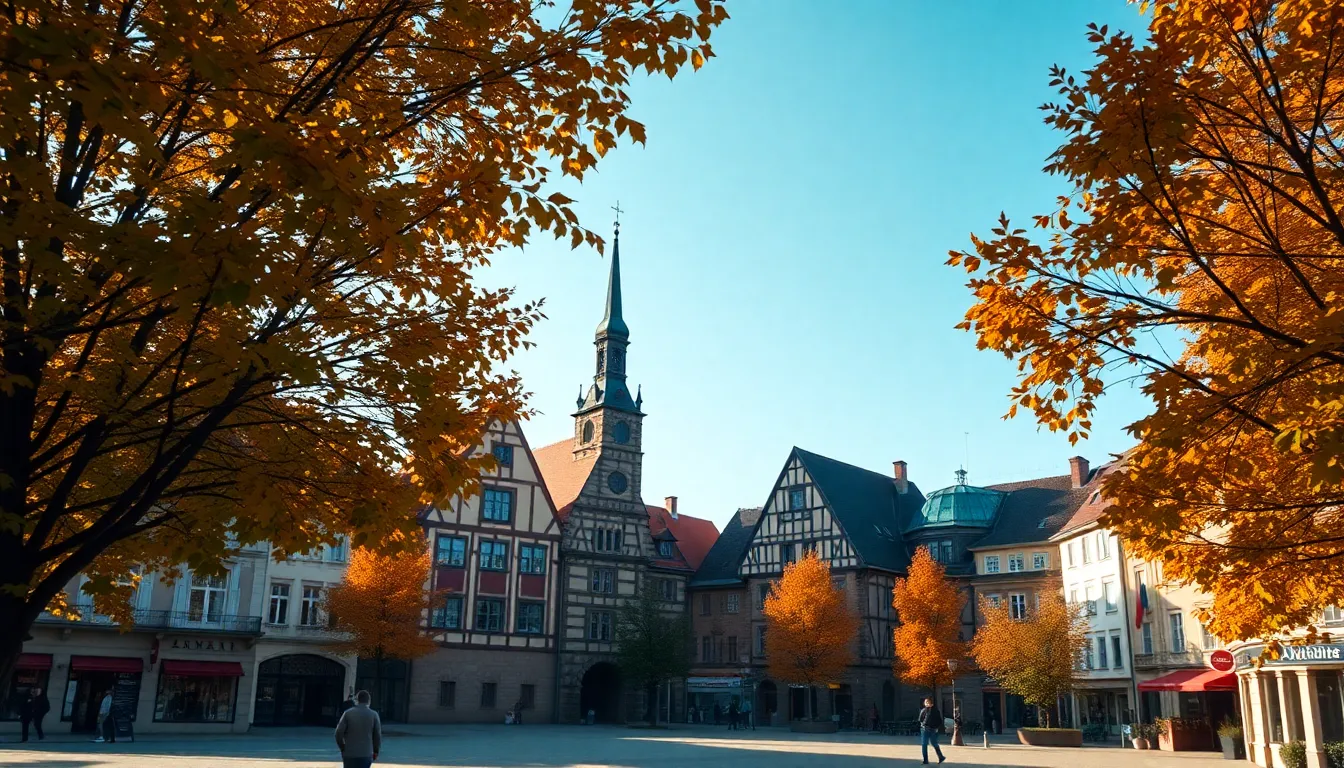
Autumn, roughly mid-September through October, brings crisp, clear air, golden foliage, and stable, comfortable temperatures for walking. It is often drier than spring. By late October the days cool noticeably and the first hint of winter arrives, so the early-to-mid autumn window is the sweet spot.
My Honest Lean
If you press me, I lean autumn for Germany. The light is extraordinary, the foliage gives the memorial sites and old towns a quiet gravity that suits these trips, and the weather is more reliable than spring’s. But spring’s sense of renewal has its own power, especially for groups whose journey carries grief. Neither is a wrong choice.
One word of caution about both shoulder seasons: pack for variability, not for averages. I have had spring mornings in the Rhineland that needed gloves and afternoons the same day that needed sunscreen. Autumn does the same in reverse. The single most useful thing you can tell your group before a Germany heritage trip is to bring layers and good walking shoes. These journeys involve a lot of standing on cobblestones and cemetery paths, and the weather will not always cooperate. Prepared travelers stay present at the sites. Cold, wet, underdressed travelers spend the day thinking about their feet.
Crowds: Autumn Has the Quieter Edge
For heritage travel, crowds are not just an annoyance. They change the emotional texture of a site. Standing at a memorial in a press of tourists is a different experience than standing there in relative quiet.
Spring sees rising tourist numbers, climbing toward the summer peak. Popular sites in Berlin and the well-known old towns get busier through May and June. It is manageable with good planning, but it is not the quiet shoulder season.
Autumn, especially from mid-September onward, sees crowds thinning after the summer high. Sites are calmer, popular memorials and museums are easier to move through, and your group has more room to reflect. For trips where contemplation is central, this quieter quality is a real advantage.
This matters most at the heaviest sites. A concentration camp memorial like Dachau, or the Memorial to the Murdered Jews of Europe in Berlin, asks for stillness. When your group can stand in those places with room to breathe rather than shuffling through in a crowd, the visit lands differently and the debrief afterward is richer. Autumn’s quieter sites are not a small convenience for a heritage group. They shape the emotional core of the trip.
The Faith Calendar: This Often Decides It
For most of my groups, the faith calendar matters more than weather or crowds, and it frequently settles the question on its own.
For Jewish groups, spring carries Passover, usually March or April, and autumn carries the High Holiday season, Rosh Hashanah through Sukkot, usually September into October. The High Holidays keep most congregations close to home through early autumn, which means a Germany trip often lands best in late October, just after the holidays clear and people have both energy and availability. Spring trips need to be planned around Passover rather than during it, since travel logistics and the holiday itself can complicate things.
For Christian groups, spring holds Lent and Easter, which pull many congregations toward home or local observance in March and April, and autumn is comparatively open. A Reformation-focused group might also note that Reformation Day falls on October 31, which gives an autumn trip to Wittenberg a meaningful resonance.
How the Calendar Tends to Land
In practice, the faith calendar nudges many groups toward autumn. Late October, after the Jewish High Holidays and clear of the Christian spring season, with Reformation Day on the horizon for Protestant groups, is one of the most natural windows I see. But communities whose journey is tied to renewal, or whose own calendar opens up in spring, find late May and June work beautifully.
Daylight and Pace
Germany’s high latitude makes daylight a real planning factor for itineraries that pack a lot of walking into each day.
Spring and early summer offer long days, light until late evening by June, which gives groups generous time at sites and relaxed evenings. Autumn days are shorter and shortening, comfortable in September but noticeably tighter by late October, when you plan the heaviest walking for the middle of the day. Neither is a problem with a good itinerary, but it shapes the daily rhythm, and groups with older travelers often appreciate spring’s longer, gentler days.
Cost and Availability
Budget is part of every group leader’s calculation, and the two seasons differ here too.
Spring, climbing toward the summer peak, tends to bring higher demand and firmer prices on hotels and flights, especially around Easter and into June. Autumn, on the cooler shoulder after the summer high, often offers better availability and somewhat softer pricing, particularly from mid-October. For groups watching the per-person number, autumn frequently delivers a little more value, which matters when you are trying to reach the fifteen participants that make the group leader’s travel free.
If you are weighing all of this for your community, I would rather talk through your calendar and your people than have you pick from a chart. The right season is usually obvious once we lay your congregation’s year over Germany’s.
FAQ: Spring vs. Autumn for a Germany Heritage Tour
Is spring or autumn better for a Germany heritage tour?
Both are excellent, and many guides, myself included, lean slightly toward autumn for its reliable weather, golden light, and thinner crowds. Spring offers renewal, longer days, and blossoming towns. The faith calendar often decides it: autumn after the Jewish High Holidays, or late spring planned around Passover and Easter.
What is the best month for a Germany heritage trip?
Late September and October are among the strongest months, with comfortable walking weather, calmer crowds, and good availability. Late May and June are the best of spring, mild and long on daylight. We help groups pick the exact window around their congregation’s calendar and the sites on their itinerary.
How does the Jewish High Holiday season affect timing?
The High Holidays, Rosh Hashanah through Sukkot, keep most congregations close to home from September into October. That makes late October a natural travel window, when the calendar clears and people have energy and availability. It is one of the most common windows I see for Jewish heritage groups to Germany.
Does Reformation Day matter for a Germany trip?
For Protestant and Reformation-focused groups, yes. Reformation Day falls on October 31 and marks Luther’s posting of the Ninety-Five Theses. An autumn trip to Wittenberg and the Luther sites around that date carries real resonance, which is one reason Reformation groups often favor autumn.
Which season is more budget-friendly?
Autumn, generally, especially from mid-October, when demand softens after the summer peak and availability improves. Spring climbs toward the summer high, so prices firm up, particularly around Easter and into June. Better autumn value can help groups reach the fifteen participants that make the group leader’s spot free.
If you are planning the timing of your community’s Germany journey, our private vs. group heritage tour guide and our Berlin-focused vs. full-country comparison are helpful companion reads. You can see how we structure these trips on our Germany destination page and our group heritage tours page. When you are ready, contact us and we will lay your calendar over Germany’s and find your window together.