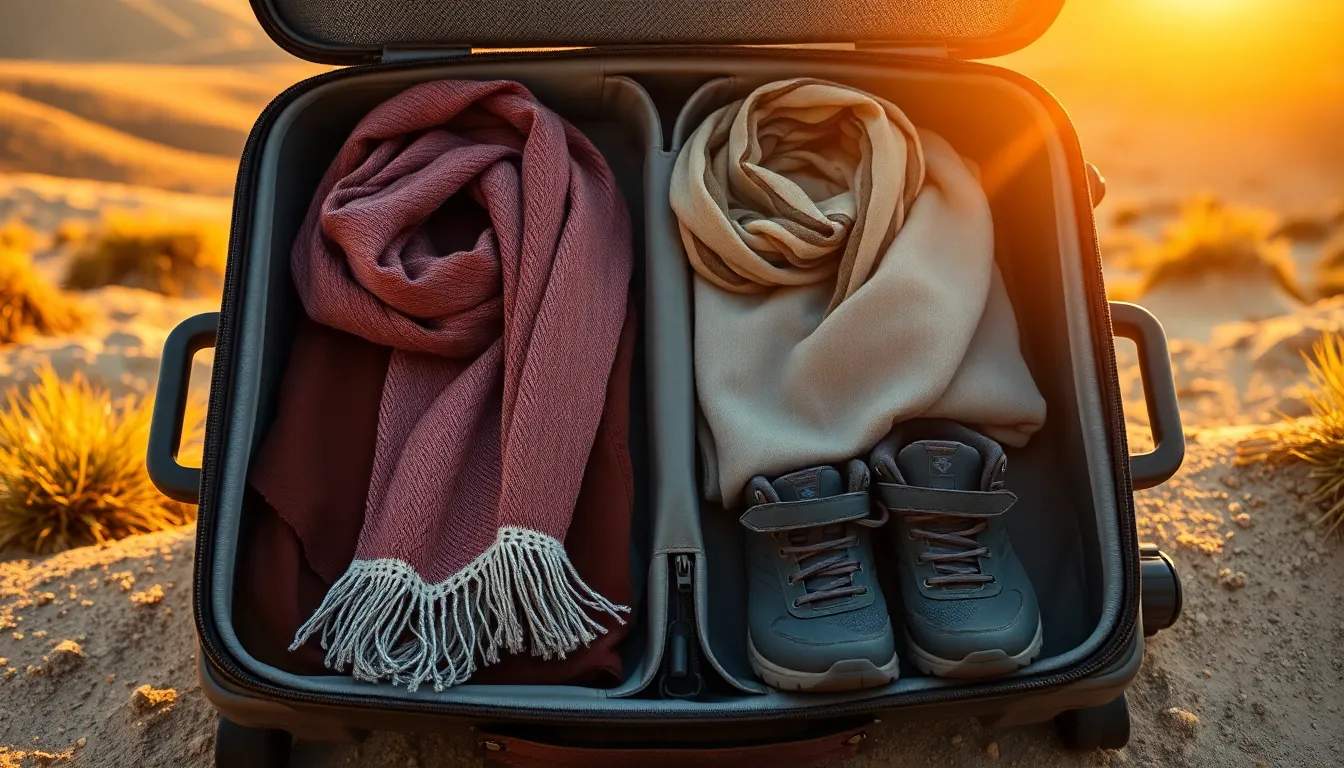
I’ve watched a lot of people pack wrong for Egypt, and it’s almost always the same two mistakes. They pack for a beach country when half the trip needs modest clothing for sacred spaces. And they pack only for heat, then nearly freeze at the top of Mount Sinai at three in the morning. Both mistakes are completely avoidable, and both can quietly diminish someone’s experience of a once-in-a-lifetime journey.
So here is the packing guide I wish every traveler read before they zipped the suitcase. It’s built specifically for faith groups, which means it leads with the two things that matter most for us: modesty at religious sites, and the genuine range of climate you’ll move through in a single trip.
The Two Truths That Shape Everything You Pack
Before the lists, hold these two ideas, because every packing decision flows from them.
First: you are visiting sacred spaces, not just monuments. Mosques, synagogues, Coptic churches, and a monastery on Mount Sinai. These places have dress expectations, and dressing respectfully is both a courtesy to the faithful who worship there and a reflection of why your group came. This is not a beach trip.
Second: Egypt is not one climate, it’s several in one trip. Daytime Cairo and Luxor can be hot. The Sinai summit before dawn can be below freezing. A single itinerary can swing 40 degrees Celsius from one experience to the next. You pack for the range, not the average.
Get those two truths in your bones and the rest is just details.
Dressing for Religious Sites: The Modesty Essentials
This is where faith groups most need clear guidance, so I’ll be specific rather than vague.
For Women
- Shoulders and knees covered at all religious sites. Lightweight long pants or long skirts, and tops with sleeves. Loose and breathable, not tight.
- A scarf, always within reach. You’ll need to cover your head to enter mosques, and a scarf is useful at other sites too. Keep one in your day bag, not your suitcase, because you’ll need it on the move.
- Avoid sheer, tight, or low-cut clothing for site days. Save it for the hotel if you bring it at all.
For Men
- Long pants for religious sites, not shorts. Lightweight trousers in breathable fabric handle both the modesty requirement and the heat.
- Shirts with sleeves. A simple short-sleeve or rolled long-sleeve shirt is fine. Sleeveless is not appropriate at sacred sites.
For Everyone
- Shoes that slip off easily. You’ll remove footwear to enter mosques and some sacred spaces, so slip-on shoes or easy laces save you fumbling at every threshold.
- A modest layer you can throw on, like a light cardigan or scarf, for moments you arrive somewhere more conservative than expected.
The principle is simple: when in doubt, cover more. No one has ever regretted being slightly more modest than required at a holy site. People do regret being turned away at a mosque entrance because their knees showed.
Packing for the Climate Range
Now the second truth. Here’s how to dress across the temperature swing you’ll actually experience.
For the Heat (Cairo, Luxor, Desert Days)
- Lightweight, breathable, loose clothing in light colors. Linen and cotton beat synthetics in dry heat.
- A wide-brimmed hat. The desert sun is stronger than people expect, and a cap doesn’t protect your neck and ears.
- Strong sunscreen, SPF 30 or higher, applied generously and often.
- Sunglasses with real UV protection. The glare off sand and stone is intense.
- A refillable water bottle. Staying hydrated is a safety matter in Egypt, not just a comfort.
For the Sinai Climb (Yes, You Need Winter Gear)
I cannot say this strongly enough, because it’s the mistake I watch most often. The summit of Mount Sinai before dawn can be near or below freezing, even in months when the valley below is warm. North American travelers consistently arrive underprepared because they packed for “Egypt” and thought only about heat.
For the pre-dawn ascent, bring:
- A real warm jacket. Not a light fleece. An actual insulated jacket you’d wear on a cold winter morning at home.
- A warm hat and gloves. You’ll sit on cold rock waiting for the sunrise for an hour. Your hands and head will be miserable without these.
- Thermal or warm layers to wear under the jacket.
- A small headlamp or flashlight. The climb begins in full darkness around midnight. Hands-free light is far safer than a phone.
- Sturdy, broken-in walking shoes. The final 750-plus stone steps are uneven. This is not the place for new shoes.
I have watched well-traveled adults shiver uncontrollably at that summit because they brought a thin layer and nothing more. The blankets you can rent up there are thin and shared and not a substitute. Pack the real jacket.
Footwear: The Single Most Important Category
If you get one thing right, make it your shoes. You will walk on uneven ancient stone, sandy temple grounds, and steep mountain steps, often for hours.
- One pair of comfortable, broken-in, closed-toe walking shoes as your daily workhorse. Closed toe matters at sites with loose stone and sand.
- A second comfortable pair so you can rotate and let one dry or rest.
- Easy slip-on shoes for the mosque entries where you remove footwear.
Never bring brand-new shoes on this trip. Break everything in at home. Blisters can sideline a traveler from sites they crossed an ocean to see.
The Practical Extras That Make a Difference
These are the small items that quietly improve the trip, especially for older travelers.
- Power adapter. Egypt uses Type C and F outlets, the same as continental Europe. Bring an adapter, and a small power bank for long site days.
- Small denomination US dollar bills. Ones and fives, plenty of them, for the constant small tips. This is genuinely essential in Egypt.
- A day pack for water, hat, scarf, sunscreen, and your camera. You’ll carry it every day.
- Basic medications. Anything you take regularly (in original packaging), plus remedies for traveler’s stomach, which is common. A small personal kit saves a lot of grief.
- Hand sanitizer and tissues. Some site restrooms don’t supply either.
- Sealed kosher food, if your group keeps kosher, within customs limits. Egypt’s kosher infrastructure is limited, so groups often bring sealed packaged food for the journey.
A Word for Older Travelers and Group Leaders
If your congregation includes members in their 60s, 70s, and beyond, and most heritage groups do, give them this guidance directly rather than assuming they’ll figure it out. The two things that most affect an older traveler’s experience are footwear and the Sinai cold. A retiree in good walking shoes and a real jacket has a wonderful time. The same person in slick-soled shoes and a thin fleece struggles.
As the leader, I’d send your group a single clear packing list well before departure and specifically flag the Sinai layers, because that’s the one people don’t believe until they’re shivering. We provide a tailored list for every group based on your exact season and itinerary, so the guidance matches what your people will actually face.
For the broader picture, our Egypt heritage travel guide goes deeper on the Sinai climb and site etiquette, and the best time to visit Egypt breakdown tells you exactly which season you’re packing for. If you’re still budgeting, our tour cost guide folds in the small gear and tipping costs.
FAQ: What to Pack for Egypt
What should women wear at religious sites in Egypt?
Shoulders and knees covered at all religious sites, with lightweight long pants or long skirts and sleeved tops, loose and breathable rather than tight. Always keep a scarf in your day bag to cover your head when entering mosques. Slip-on shoes help, since you remove footwear at mosques and some sacred spaces. The rule of thumb is to cover more when in doubt.
Do I really need warm clothes for Egypt?
Yes, if your itinerary includes Mount Sinai. The summit before dawn can be near or below freezing even when the valley is warm. You need a real insulated jacket, a warm hat, and gloves for the pre-dawn ascent, plus warm layers underneath. This is the most common packing mistake North American travelers make, because they pack only for heat. For the daytime sites you’ll also want lightweight, breathable clothing.
What shoes should I bring to Egypt?
Bring two pairs of comfortable, broken-in, closed-toe walking shoes for the uneven stone and sand at sites, plus easy slip-on shoes for mosque entries where you remove footwear. Closed toe matters for the loose stone and sand. Never bring brand-new shoes, since blisters can keep you from sites you traveled a long way to see. Sturdy shoes also matter for the steep Sinai steps.
What power adapter does Egypt use?
Egypt uses Type C and Type F outlets, the same as continental Europe. Bring an appropriate adapter, and a small power bank is useful for long days out at sites. Carry plenty of small US dollar bills too, since tipping is constant and best handled in ones and fives.
What should older travelers prioritize packing?
Footwear and the Sinai cold are the two things that most affect an older traveler’s experience. Comfortable broken-in walking shoes prevent the blisters and falls that derail trips, and a real warm jacket with hat and gloves makes the pre-dawn Sinai climb comfortable instead of miserable. Also pack regular medications in original packaging and a small kit for traveler’s stomach.
Packing for Egypt is really just packing for a country of extremes, sacred and secular, hot and cold, ancient and alive, all in the same trip. Get the modesty right and you walk into every holy place with ease. Get the layers right and the sunrise on Sinai is the most beautiful cold you’ve ever felt instead of the most uncomfortable.
If you want a packing list built for your group’s exact season and route, we’ll put one together so your travelers arrive ready for everything Egypt asks of them.
Reach out here and we’ll get your people packed right.