The Dubrovnik Synagogue Is Not Open on Demand
This is the thing that catches groups off guard most often. The Dubrovnik Synagogue, one of the oldest operating synagogues in Europe, is open to individual visitors during posted hours. But for a group visit, especially one that includes access to the interior prayer space and the museum collection, you need to coordinate in advance with the local Jewish community.
The community is small. They are welcoming, but they cannot accommodate a group of 20 that shows up unannounced. If your group wants more than a five-minute walk-through of the exterior, you need to arrange the visit weeks ahead. This is not bureaucratic obstruction. It is a tiny community managing access to a space that is both a house of worship and a 700-year-old treasure.
Heritage Tours handles this coordination as standard practice. But if you are planning independently, contact the Jewish Community of Dubrovnik well before your arrival date. Specify your group size, your preferred date and time, and whether you would like a guided tour of the museum collection.
Sarajevo Cash, Cards, and What to Know Before You Go
Croatia and Montenegro both use the euro, and card payments work almost everywhere. When you cross into Bosnia, the situation changes.
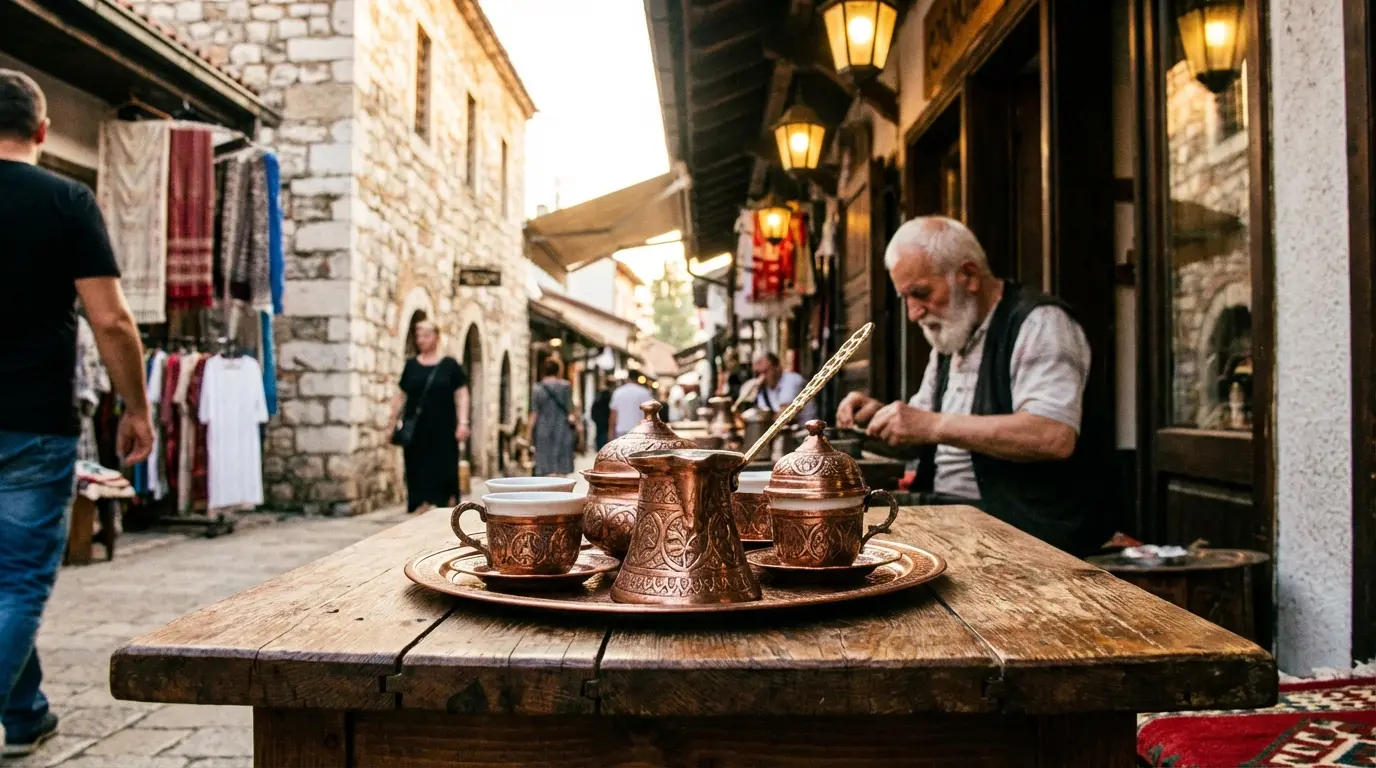
Bosnia uses the Bosnian convertible mark (BAM). It is pegged to the euro, so the exchange rate is stable, but you cannot pay in euros at most Bosnian establishments. The Bascarsija market in Sarajevo, where your group will likely spend significant time, operates largely on cash. The coppersmiths, the coffee vendors, the small restaurants serving cevapi. Cash.
ATMs in Sarajevo dispense convertible marks and are reliable. But tell your group to withdraw cash before heading into the old town, not after they have already tried to pay for traditional Bosnian coffee with a credit card.
Hotels and larger restaurants in Sarajevo accept cards. But for the market, the small eateries, and the vendors around heritage sites, cash is the way things work. This is not a limitation. It is part of how the city functions, and being prepared for it makes the experience smoother.
Medjugorje Accommodation Is Not Like a Normal Hotel
If your group is visiting Medjugorje, the accommodation around the pilgrimage site is different from what you will find in Dubrovnik or Sarajevo.
Many guesthouses and pensions near Medjugorje are run by local families or religious orders with pilgrimage in mind. They are clean, simple, and oriented toward groups that are there to pray, not to be entertained. You will not find a spa or a cocktail bar. You will find a quiet room, a communal dining area, and proximity to the Church of St. James and Apparition Hill.
For a Christian pilgrimage group, this is appropriate and even welcome. The simplicity of the accommodation matches the spirit of the visit.
For groups that prefer standard hotel accommodations, they exist in the area but tend to be farther from the pilgrimage sites. Heritage Tours can arrange either option, but it helps to know what you are choosing and why.
One practical note: Medjugorje fills up around the major feast days (June 24-25, August 5). If your group is timing the visit around these dates, book accommodation months in advance.
How the Adriatic Heat Actually Affects a Heritage Group
I want to be specific about this because general advice like “it can be warm” does not prepare people.
In Dubrovnik in July and August, the temperature inside the Old City walls regularly exceeds 35 degrees Celsius. The city is built of white stone, which reflects heat. There is almost no shade on the main streets. The stairs up to the walls and the rampart walk are entirely exposed to the sun.
For a group of adults over 60, which is common in faith heritage travel, this heat is not a minor inconvenience. It is a planning factor. Dehydration, heat exhaustion, and simple fatigue from walking on hot stone in direct sun are real risks.
The solution is timing. Schedule your Dubrovnik heritage visits for morning, before 10 a.m. if possible. Use the afternoon for indoor activities or rest. If your group is walking the city walls, do it first thing in the morning when the stone has not yet absorbed the full heat of the day. Carry water. Wear hats.
In Sarajevo, the heat is less extreme because the city sits at a higher elevation in a mountain valley. But summer afternoons can still be warm, and the Bascarsija’s cobblestone streets are not shaded.
Spring and fall avoid this problem almost entirely. If you have any flexibility on timing, choose those seasons.
The Border Crossing That Surprises Groups Every Time
The drive from Dubrovnik south to Montenegro involves a curious geographic fact: a small piece of Bosnia cuts across the Croatian coastline at the town of Neum. This means that if you are driving the coastal road from Dubrovnik to Montenegro, you actually cross into Bosnia briefly, then back into Croatia, before crossing into Montenegro.
For EU passport holders, this is usually quick. For non-EU groups, it can involve stops at two or three border checkpoints within a relatively short stretch of road. A coach bus full of passport-holding travelers moves through more slowly than individual cars.
This is not a problem. But it is a surprise if nobody tells you about it. Your group sits on a bus expecting a scenic coastal drive and suddenly encounters passport control at Neum.
Heritage Tours plans routes and timing around these crossings. The drivers and guides know the checkpoints, the expected wait times, and how to manage group documentation efficiently. But for any group leader, it is worth mentioning to your participants before the bus reaches the first border post.
What to Know About Mostar Beyond the Famous Bridge
Mostar’s Stari Most, the Old Bridge, is the most photographed site in Bosnia and Herzegovina. It draws large numbers of visitors, and the area around the bridge can be crowded, particularly in summer.
Here is what the photographs do not show you. The bridge was destroyed by artillery fire on November 9, 1993, after standing for 427 years. It was rebuilt and reopened in 2004. When you stand on it, you are standing on a reconstruction that is also a statement. The city chose to rebuild the bridge exactly as it was. That choice means something in a city that was divided along ethnic and religious lines during the war.
For a heritage group, the bridge area is worth visiting, but go early. By mid-morning in summer, the narrow streets around the bridge are congested with tour groups. The east side of the old town, along the Neretva River south of the bridge, is quieter and equally historic.
Also be aware that the famous bridge divers (young men who jump from the bridge into the river below for tips) attract large crowds that can block the bridge itself. If your group includes older adults or anyone uncomfortable in dense crowds, time your visit accordingly.
One more practical note: the cobblestone streets in Mostar’s old town are polished smooth by foot traffic and can be slippery, especially if wet. Proper walking shoes matter here.
If you are planning this circuit and want the kind of preparation that turns a good trip into an excellent one, explore the Croatia, Montenegro & Bosnia destination or contact Heritage Tours. We have been on this route many times, and we know what your group needs to know.
FAQ: Practical Adriatic Heritage Travel Tips
Do you need cash in Sarajevo for a heritage group visit? Yes. While hotels and larger restaurants accept cards, Sarajevo’s old town (Bascarsija), its markets, and many smaller establishments operate primarily on cash. Bosnia uses the Bosnian convertible mark (BAM). ATMs are available throughout the city, and your group should withdraw cash before exploring the old town.
How do you book a group visit to the Dubrovnik synagogue? Contact the Jewish Community of Dubrovnik in advance, specifying your group size, preferred date and time, and whether you want a guided tour of the museum collection. The synagogue is open to individual visitors during posted hours, but group visits to the interior prayer space require advance coordination. Heritage Tours handles this as part of standard trip planning.
What is the accommodation situation for groups visiting Medjugorje? Most accommodation near Medjugorje consists of family-run guesthouses and pensions oriented toward pilgrims. They are clean and simple, without luxury amenities. Standard hotels are available farther from the pilgrimage sites. Accommodation fills up quickly around the major feast days in June and August, so early booking is essential.
What border crossings do you face on a Croatia-Montenegro-Bosnia circuit? The standard circuit involves crossing from Croatia to Montenegro along the coast, and from Montenegro or Croatia into Bosnia. The coastal route from Dubrovnik also passes briefly through Bosnia at Neum. All crossings require valid passports but typically no visas for Western travelers. Coach buses with large groups should expect brief waits at each checkpoint.
How hot is Dubrovnik in summer and how does it affect group visits? Dubrovnik in July and August regularly exceeds 35 degrees Celsius inside the Old City walls, with limited shade and reflective stone surfaces. For heritage groups, especially those with older participants, this heat is a serious planning consideration. Morning visits, adequate hydration, and afternoon rest periods are essential for comfortable summer travel.