Why Summer Is the Wrong Call for Most Heritage Groups
I will say this plainly: Dubrovnik in July and August is one of the most overcrowded cities in Europe.
The Game of Thrones effect transformed Dubrovnik from a well-kept heritage secret into a destination that receives cruise ships unloading thousands of day-trippers into a walled city designed for a medieval population. On a peak summer day, the Stradun (the main street inside the walls) is shoulder to shoulder. Temperatures regularly exceed 35 degrees Celsius. There is almost no shade inside the Old City.
For a heritage group trying to spend thoughtful time at the Dubrovnik Synagogue or inside the cathedral, those conditions work against you. You cannot have a meaningful conversation about 14th-century Sephardic history while being jostled by crowds in 38-degree heat.
Summer is not impossible. But for heritage groups, there are better windows, and you should know about them.
Spring (April to June): The Best Window, and Here Is Why
Late April through mid-June is the strongest season for this circuit, and it is not close.
In Dubrovnik, the weather is warm but not punishing. Daytime temperatures sit in the low 20s to mid-20s Celsius. The cruise ship traffic has not reached peak volume. You can walk the Old City in the morning, visit the synagogue interior without rushing, and spend an afternoon at the Franciscan Monastery without competing for space.
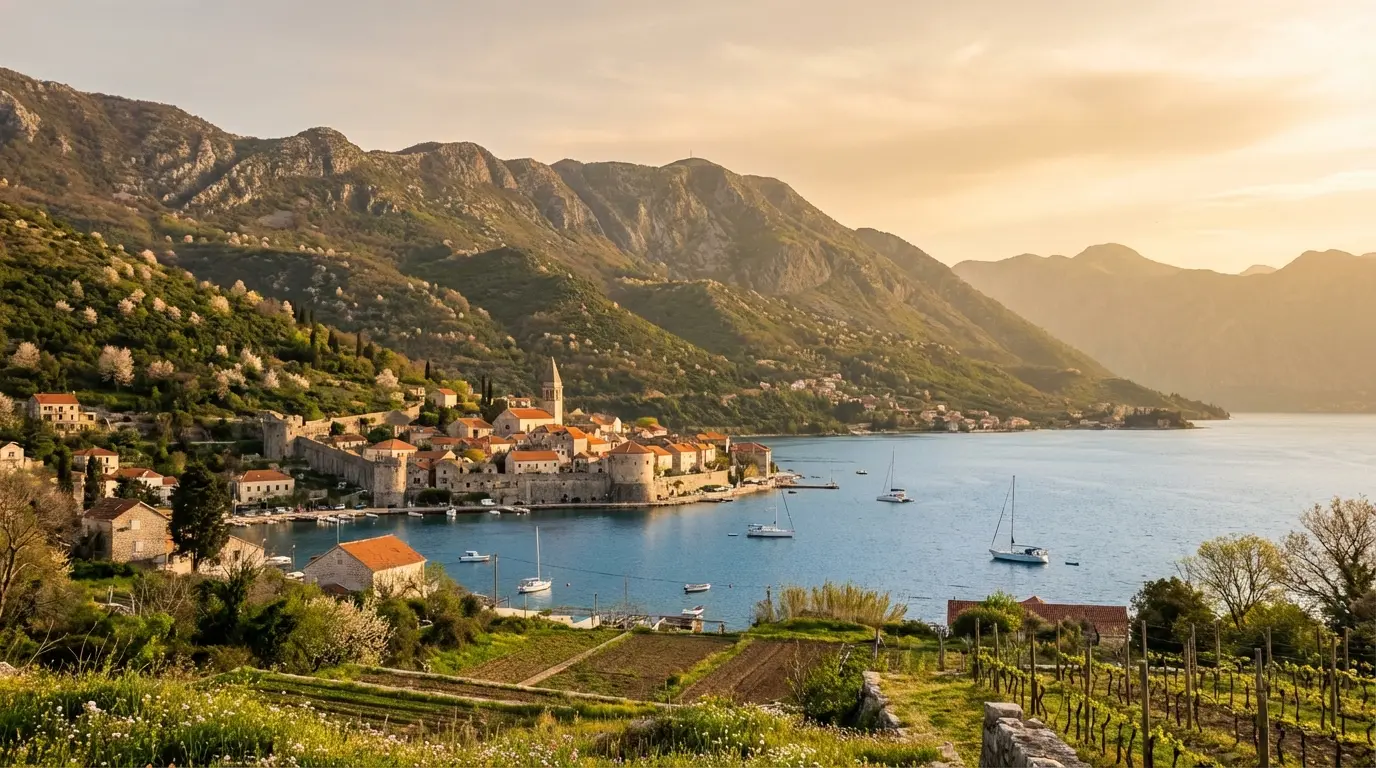
In Kotor, spring is green and the bay is calm. The medieval walls and churches are accessible without the summer heat that makes the climb to the fortress genuinely difficult for older travelers.
In Sarajevo, spring is cool and pleasant. The Bascarsija district is at its best when you can sit at an outdoor cafe after visiting the National Museum and the Haggadah without the summer tourist pressure.
For Christian groups, late May and early June also position you well for Medjugorje’s pilgrimage season without the peak crowds of the major feast days.
Spring is when Heritage Tours most often recommends this circuit, and there is a reason for that.
Summer (July to August): What You Are Getting Into
If your group must travel in summer, here is what to expect.
Dubrovnik will be hot and crowded. Plan heritage visits for early morning, before the cruise ships dock. The synagogue, the cathedral, and the museums are all more manageable before 10 a.m. Afternoons inside the walls are difficult for anyone who struggles with heat.
Kotor in summer is also warm and busy, though less extreme than Dubrovnik. The climb to the fortress walls should be attempted early in the day or not at all for groups with older participants.
Sarajevo in summer is more manageable. The city is inland and at a higher elevation, so temperatures are more moderate. July and August in Sarajevo are busy but not overwhelmed the way the coast is.
Heritage Tours can make summer work by adjusting daily schedules and booking access to sites during off-peak hours. But if you have flexibility on timing, spring or fall will serve your group better.
Fall (September to October): Second Best and Often Underrated
September and early October are genuinely excellent for this circuit, and many groups overlook them.
The Adriatic coast in September is still warm enough for comfortable outdoor time, but the cruise ships thin out significantly. Dubrovnik in late September feels like a different city than Dubrovnik in August. You can walk the walls. You can linger.
Sarajevo in autumn is beautiful. The surrounding mountains begin to change color, the air is crisp, and the city’s cafe culture comes alive. For a heritage group spending two or three days in Sarajevo, October offers the best atmosphere for reflection and engagement.
For Jewish groups, be aware that the High Holy Days (Rosh Hashanah and Yom Kippur) typically fall in September or early October. Plan around them or plan with them, but do not ignore them. Heritage Tours coordinates with the Jewish communities in Dubrovnik and Sarajevo for groups that want to observe the holidays while traveling.
Winter (November to March): Sarajevo in the Cold, Dubrovnik Without the Crowds
Winter is not the standard recommendation for this circuit, but it has its appeal for certain groups.
Dubrovnik in winter is quiet, atmospheric, and empty. If your group is small and flexible, a winter visit to the synagogue and the Old City can feel intimate in a way that is impossible in other seasons. Hotels are significantly less expensive. The trade-off is shorter days and cooler weather, though Dubrovnik’s winters are mild by European standards.
Sarajevo in winter is cold. The city sits in a valley surrounded by mountains, and December through February brings real winter weather. But Sarajevo’s indoor heritage sites, the National Museum, the Jewish Community Center, the mosques and churches, are all accessible year-round. And there is something about seeing the Haggadah in a quiet museum, without crowds, that some visitors prefer.
Kotor and Montenegro’s coast are mild in winter but less vibrant. Medjugorje’s pilgrimage infrastructure is quieter but operational.
Winter works for the right group. Talk to Heritage Tours about it if your community’s schedule points to November through March.
Faith Calendar Considerations for This Circuit
For Christian groups, Medjugorje’s most significant dates are June 24 and 25 (the Feast of St. John the Baptist, associated with the anniversary of the first reported apparitions) and August 5 (the anniversary of the apparitions). If your group wants to time the trip around these dates, plan early. Medjugorje fills up.
For Jewish groups, avoid scheduling the circuit during the High Holy Days unless you are specifically planning to observe them abroad. Passover (typically March or April) can coincide with early spring travel, which requires kosher meal coordination but is otherwise excellent timing.
Shabbat observance is possible throughout the circuit. The Dubrovnik Synagogue can accommodate visiting groups for Shabbat services with advance notice.
Heritage Tours coordinates all of these calendar considerations as part of the planning process. Tell us what matters to your community, and we will build the timing around it.
If you are ready to start thinking about when to bring your group, explore the Croatia, Montenegro & Bosnia destination or contact us to begin the conversation.
FAQ: Timing Your Adriatic Heritage Trip
Is summer a bad time to visit Dubrovnik for a heritage group? Summer is not impossible, but July and August bring extreme crowds and heat to Dubrovnik’s Old City. For heritage groups that want to spend meaningful time at sites like the 1352 synagogue or the cathedral, spring (April to June) or fall (September to October) offer a significantly better experience.
When are Medjugorje’s major pilgrimage feast days? The most significant dates are June 24 and 25, marking the Feast of St. John the Baptist and the anniversary of the first reported apparitions, and August 5, the anniversary of the apparitions. These dates draw large numbers of pilgrims, and accommodations fill up well in advance.
What is the best month for a heritage group trip to Sarajevo? May, June, September, and October are all excellent. Sarajevo is at its best when the weather is mild and the city is not at peak tourist capacity. For Jewish groups, be mindful of the High Holy Days in September and early October.
Is winter in Dubrovnik good for a heritage tour? Winter offers empty streets, lower prices, and an intimate atmosphere. The heritage sites are all open, and Dubrovnik’s mild winter climate is comfortable for walking. The trade-offs are shorter days and a quieter city, which some groups actually prefer.
What season is best for traveling with a large group in Croatia? Late April through mid-June and September through mid-October are the strongest windows for large groups. The weather is comfortable, the sites are accessible without extreme crowds, and the hotels and transport options can accommodate group bookings more easily than in peak summer.