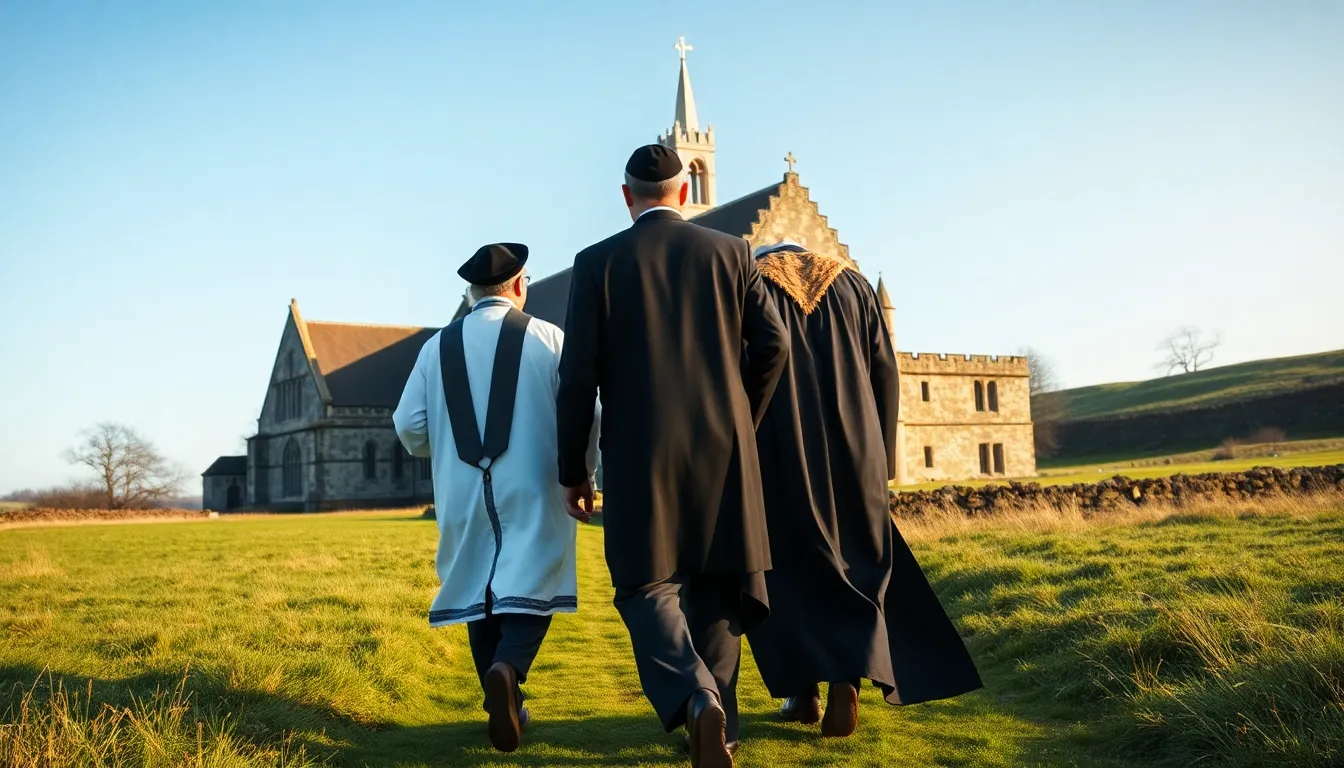
Some of the most moving trips I have run were not a single congregation. They were two communities traveling together, with a rabbi and a pastor co-leading, walking their people through the Celtic heritage of Scotland, Wales, and Northern Ireland side by side. When it works, it produces something a single-faith trip simply cannot: people who pray differently, standing together at the same ancient stones, discovering how much they share and learning to honor where they differ.
When it goes wrong, it is almost always because the two leaders did not do the work up front. So this is the conversation I have with a rabbi and a pastor who want to bring their communities together. The destinations are easy. The leadership is where the real planning lives.
Why Britain’s Nations Suit an Interfaith Trip So Well
There is a reason the Celtic heritage of these nations works for an interfaith group better than some other destinations. The story here is deep and specific, but it is also a story about communities of faith holding to conviction, carrying belief across hard ground, and standing firm under pressure. Those are themes that a synagogue and a church can both enter with respect, even when the particular faith is not shared.
A Jewish group and a Christian group standing together at Iona, or walking a chapel trail where the Welsh Revival swept through ordinary people, are not pretending to share a single belief. They are witnessing a story of devotion together, and devotion is a language both communities speak fluently. That shared witness, more than any single site, is what binds the group.
You can see how the heritage itself lays out in our United Kingdom group tour guide, which walks through the regions and the threads a co-led group can follow.
Do the Leadership Work Before the Travel Work
The most important planning for an interfaith trip happens between the two leaders, long before any itinerary exists. I encourage a rabbi and a pastor to sit down together and answer a few honest questions, because clarity here prevents almost every problem later.
What is the shared purpose of this trip? Not “we both like travel,” but a real, named intention both communities can stand behind. Is it about building relationship between the two congregations? Encountering history together? Something else? Name it, and let it shape everything.
How will worship and prayer work? This is the question that quietly decides whether the trip unites or strains. Will the group share certain reflective moments and keep others separate? Will each community have space for its own observance? Will there be moments designed for both to participate in comfortably? There is no single right answer, but there has to be an answer, agreed in advance, so no one is caught off guard at a holy site.
Where are the lines each community needs respected? A rabbi will have considerations around Shabbat, kashrut, and which Christian religious settings the Jewish group enters and how. A pastor will have their own. Naming these early, with mutual respect, is not awkward. It is the foundation of trust that lets the trip be relaxed rather than tense.
Plan the Practical Religious Logistics Together
The leadership clarity has to translate into concrete trip planning, and a good operator helps you build it in.
Shabbat has to be honored in the itinerary, not bolted on. For a co-led trip with an observant Jewish group, we plan the route so Shabbat falls in a place with appropriate accommodation, walkable surroundings, and the space the Jewish community needs, while the Christian group has its own rhythm that weekend. Built in from the start, it is seamless. Raised late, it forces painful itinerary surgery.
Dietary needs on an interfaith trip almost always include kosher, often halal, and the usual range of medical diets, all at once. This is entirely workable, but it has to be mapped early, especially in the remote heritage areas where provision thins out. Our guide to dietary needs across a mixed UK group lays out exactly how that is handled from the cities to the islands.
The sites themselves need a little forethought. Most Celtic heritage sites are welcoming to anyone, but some are active places of Christian worship. A good co-led plan thinks ahead about how the Jewish group engages those settings respectfully and comfortably, and the two leaders set expectations with their people so everyone arrives knowing what to expect and how to honor the space.
Prepare Both Communities, Separately and Together
Preparation matters even more on an interfaith trip than a single-faith one, because the group is learning two things at once: the heritage, and how to travel respectfully alongside people who believe differently.
I encourage each leader to prepare their own community in their own way, grounding their people in the heritage and in the spirit of the trip. Our guide to preparing your group for a Celtic heritage journey works for both. But I also encourage at least one shared gathering before departure, where the two communities meet, the leaders explain the shared purpose, and people put faces to the group they will travel with. A group that has already met travels far more easily than two groups of strangers thrown together at an airport.
Set the tone of curiosity over comparison. The trip goes beautifully when people arrive wanting to understand each other rather than to debate or convert. The leaders model that, and the group follows.
Lead From Side by Side, Visibly
On the ground, the single most powerful thing a rabbi and a pastor can do is be seen leading together. When the group watches their two leaders share a meal, defer to each other, laugh together, and honor each other’s practices, it gives everyone permission to do the same. The leaders are the trip’s living example. If they hold each other in genuine respect, the group will too.
Make room for the moments that bind. Some of the most meaningful experiences on these trips are unplanned: a shared silence at a martyr’s grave, a conversation at dinner where someone realizes how much they did not know about the person across the table, a quiet moment where each community offers something of its own tradition for the other to witness. You cannot script these, but you can make space for them by not over-programming the days and by trusting the group.
Honor the differences openly rather than smoothing them over. An interfaith trip is not about pretending everyone believes the same thing. It is richer than that. When the rabbi explains why the Jewish group steps back from a particular moment, and the pastor honors it without friction, the group learns something deeper than any site could teach: how to be different together, with respect.
FAQ: Co-Leading an Interfaith Heritage Trip
How do worship and prayer work when a rabbi and a pastor co-lead?
That is the question to settle before the trip, not during it. Most co-led groups blend three things: shared reflective moments both communities can join comfortably, separate space for each community’s own observance, and clear agreement about which religious settings the group enters together and how. There is no single right model. What matters is that the two leaders agree the approach in advance so no one is caught off guard at a holy site.
Can you honor Shabbat and kosher on a co-led trip through remote areas?
Yes, and both have to be planned into the itinerary from the start rather than added late. We route the trip so Shabbat falls where the Jewish community has appropriate accommodation and walkable surroundings, while the Christian group keeps its own rhythm. Kosher, halal, and medical diets across the group are mapped early, especially for the remote heritage areas where provision thins out. Built in from the beginning, both are seamless.
What makes an interfaith heritage trip work rather than feel strained?
The leadership work done up front. When the rabbi and pastor agree on a shared purpose, settle how prayer and observance will work, and name the lines each community needs respected, the trip relaxes. On the ground, the two leaders visibly honoring each other gives the whole group permission to do the same. Strain almost always traces back to leaders who skipped the early conversation, not to the communities themselves.
Should the two communities meet before the trip?
Yes, at least once. A shared pre-trip gathering where the communities meet, the leaders explain the shared purpose, and people put faces to names makes an enormous difference. A group that has already met travels easily. Two groups of strangers thrown together at the airport take days to gel. Each leader should also prepare their own community in their own tradition beforehand, grounding everyone in the heritage and the spirit of curiosity the trip needs.
Do the Celtic heritage sites suit a mixed Jewish and Christian group?
They suit it well. The Celtic story is deeply Christian, but it is also a universal story of devotion, conviction, and faith held under pressure, which both communities can enter with respect. Most sites welcome everyone. A few are active places of Christian worship, and a good plan thinks ahead about how the Jewish group engages those settings comfortably. Standing together as witnesses to this heritage, rather than sharing a single belief, is exactly what binds a co-led group.
If you are a rabbi and a pastor, or two leaders of any traditions, thinking about bringing your communities together for a heritage journey across Britain’s nations, I would be glad to help you build it. The destinations are the easy part. Helping you lead well, together, is the work I most enjoy.
Start the conversation here, or look at how we run our group heritage tours across the United Kingdom.