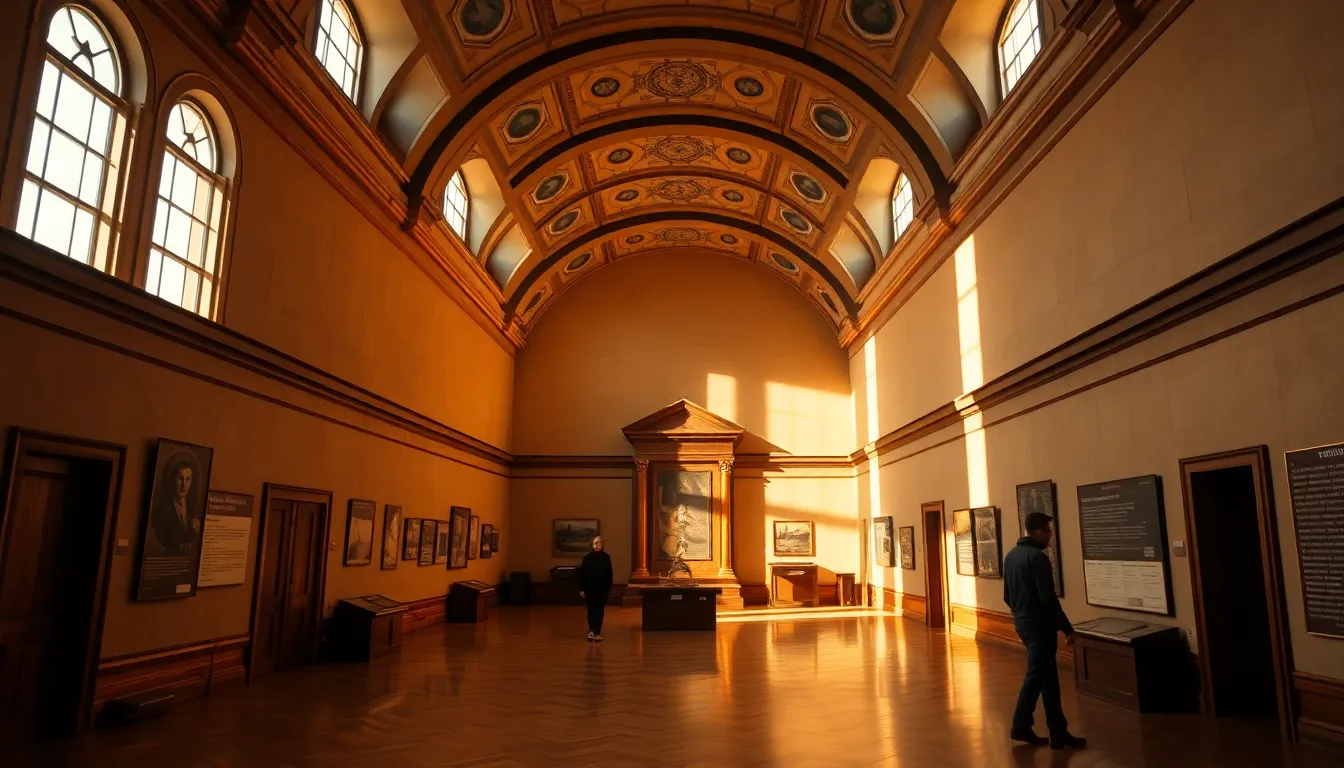
I usually bring groups to the Quincentennial Foundation Museum of Turkish Jews early in an Istanbul itinerary, and I do it on purpose. Before we walk Balat, before we step into Neve Shalom, before anyone stands in front of an active synagogue, I want my group to understand what they are looking at. The museum is where the whole story gets laid out in order, from the ships that carried the exiles out of Spain to the community that lives in Istanbul today. After an hour here, the rest of the trip has a frame. People stop seeing old buildings and start seeing a continuous five-hundred-year community.
The name tells you what the museum is for. The Quincentennial Foundation was created in 1992 to mark five hundred years since Sephardic Jews found refuge in the Ottoman Empire after the 1492 expulsion from Spain. The museum is the foundation’s permanent expression of that anniversary, and it remains the single best place to grasp the arc of Jewish heritage in Turkey before you go out and walk it.
From a Synagogue to a Museum
The museum first opened in 2001 inside the Zulfaris Synagogue, a historic building near the Galata waterfront. In 2015 it moved to its current home in the Neve Shalom complex in the Galata and Karakoy area, sharing a building with the working synagogue that serves as the heart of Istanbul’s Jewish community.
That location matters more than it might sound. You are not visiting a museum dropped into a neutral building. You are visiting a museum inside a living Jewish institution, steps from the sanctuary where the community still gathers. The history on the walls and the community in the next room are the same story, and standing in that building makes the continuity impossible to miss.
What the Collection Actually Holds
The museum is not large, and that is one of its strengths. It does not try to overwhelm. It tells a focused story through objects, photographs, documents, and the kind of everyday material that makes a community feel real rather than abstract.
The Story of Welcome and Settlement
The opening sections deal with the expulsion from Spain and the Ottoman response. This is where your group learns, or relearns, that Sultan Bayezid II did not merely tolerate the refugees but actively welcomed them, sending ships and offering settlement across the empire. The museum lays out where the exiles landed, how they organized, and how they built the institutions that carried them through the centuries.
Ladino and Sephardic Life
One of the most affecting parts of the collection deals with Ladino, the Judeo-Spanish language the community carried out of medieval Castile and kept alive for five hundred years. You will see Ladino newspapers, books, and printed material, evidence of a full literary and daily life conducted in a language most of the world has forgotten. For a group, the Ladino material often lands harder than anything else, because it makes the loss concrete. A language that survived half a millennium is now down to a handful of elderly speakers.
Ethnographic and Community Life
The museum also holds objects of daily and religious life: ritual items, textiles, wedding and household pieces, and photographs of families, schools, and synagogues across the generations. These are the things that turn history into people. A wedding contract, a child’s photograph, a worn prayer book, all of it tells your group that this was a community of ordinary lives, not a chapter in a textbook.
I find that this is where groups slow down on their own. A panel on Ottoman policy is informative, but a glass case holding a family’s Shabbat candlesticks is something else. People lean in. They start asking who these families were, what happened to their descendants, whether any of them are still in Istanbul. That curiosity is exactly what you want a museum to spark at the start of a trip, because it carries forward into every synagogue and neighborhood your group walks afterward.
Honoring Service and Sacrifice
A section of the museum honors Turkish Jews who served in the Ottoman and Turkish military, including those who fell in the country’s wars. I treat this part of the visit with care, because it touches on loss, and I give the group room to take it in quietly. It is a reminder that this community did not live at the edge of the nation. It was part of it, including in sacrifice.
Why I Put It First in the Itinerary
There is a practical logic to opening with the museum. Istanbul’s Jewish sites are scattered, and many of them, by their nature, are quiet. An active synagogue does not explain itself. A Balat doorway does not announce what it used to be. The museum gives your group the context to read all of it.
When we walk into Neve Shalom afterward, the group already knows the weight the name carries and the history the community has survived. When we reach Balat and stand in the Jewish neighborhood that anchors so much of this story, the streets mean more because the museum gave them a backdrop. And when the itinerary turns to the city’s Jewish cemeteries at Haskoy and beyond, the names on the stones connect to the families the museum introduced.
The museum does the work of orientation so the living sites can do the work of feeling.
Visiting With a Group
A few practical notes from bringing groups here. Because the museum sits inside the Neve Shalom complex, security is taken seriously, and visits work best when arranged in advance. Passport details are typically required for entry, and Heritage Tours handles the coordination so your group is cleared and expected rather than turned away at the door.
The museum is compact, which makes it manageable for groups of mixed mobility. There is a lot to read, so I give people time and let the guide draw out the threads that matter most to a faith group rather than marching through every panel. An hour to ninety minutes is usually right.
One thing worth knowing as you plan a wider trip: with Heritage Tours, the group leader travels free when you bring fifteen or more participants. For a rabbi or educator building a congregational journey through Turkey, that is a real piece of the budget, and it is worth factoring in early.
FAQ: The Quincentennial Foundation Museum of Turkish Jews
What is the Quincentennial Foundation Museum of Turkish Jews? It is a museum in Istanbul devoted to the history of Jewish life in Turkey, founded by the Quincentennial Foundation, which was created in 1992 to mark five hundred years since Sephardic Jews found refuge in the Ottoman Empire. The museum traces the community from the 1492 expulsion from Spain through five centuries of life in Ottoman and then Turkish lands.
Where is the museum located? The museum is in the Neve Shalom complex in the Galata and Karakoy area of Istanbul, sharing a building with the working Neve Shalom Synagogue. It moved there in 2015 from its original home in the historic Zulfaris Synagogue.
Do groups need to book in advance? Yes. Because the museum is part of an active synagogue complex, security is taken seriously and advance arrangement is strongly recommended. Passport details are usually required for entry. Heritage Tours coordinates this access as part of every Turkey Jewish heritage itinerary.
How long does a visit take? Plan for about an hour to ninety minutes. The museum is compact and focused, which makes it manageable for groups of mixed mobility while still giving people time to absorb the Ladino collection, the ethnographic material, and the history of welcome and settlement.
Should the museum come early or late in a Turkey itinerary? Early. The museum lays out the full story in order, which gives a group the context to understand the active synagogues, the Balat neighborhood, and the cemeteries they will visit afterward. Opening with the museum makes the living sites mean more.
If a Jewish heritage journey through Istanbul speaks to your congregation, I would be glad to help you plan it. You can see how we structure these trips on our Turkey heritage page or learn how the group experience works on our group heritage tours page.
Contact us whenever you are ready to start planning.