I will be honest with you up front, because that is what I would want from someone in my position. Summer is not the window I steer most groups toward in Turkey. But I have led plenty of summer trips, often because that is the only time a congregation can travel, when school is out and families can come together, and I have learned how to make them work. So this is not a lecture about why you should avoid summer. It is a practical guide to doing it well if summer is your season.
I have brought faith groups across Turkey for many years, and the truth is that summer asks more of you as a leader. The heat is real, especially the combination of coast and interior on one itinerary. With the right pacing and a few firm habits, a summer trip can still be deeply meaningful. Let me walk you through what you are actually dealing with and how to handle it.
What Summer Heat Actually Looks Like in Turkey
Turkey is a country of climates, and summer exposes the gap between them more than any other season. Your group will likely move between the Aegean and Mediterranean coast, where the great classical and biblical sites sit, and the interior, where Cappadocia and the high plateau wait. Each one handles summer differently.
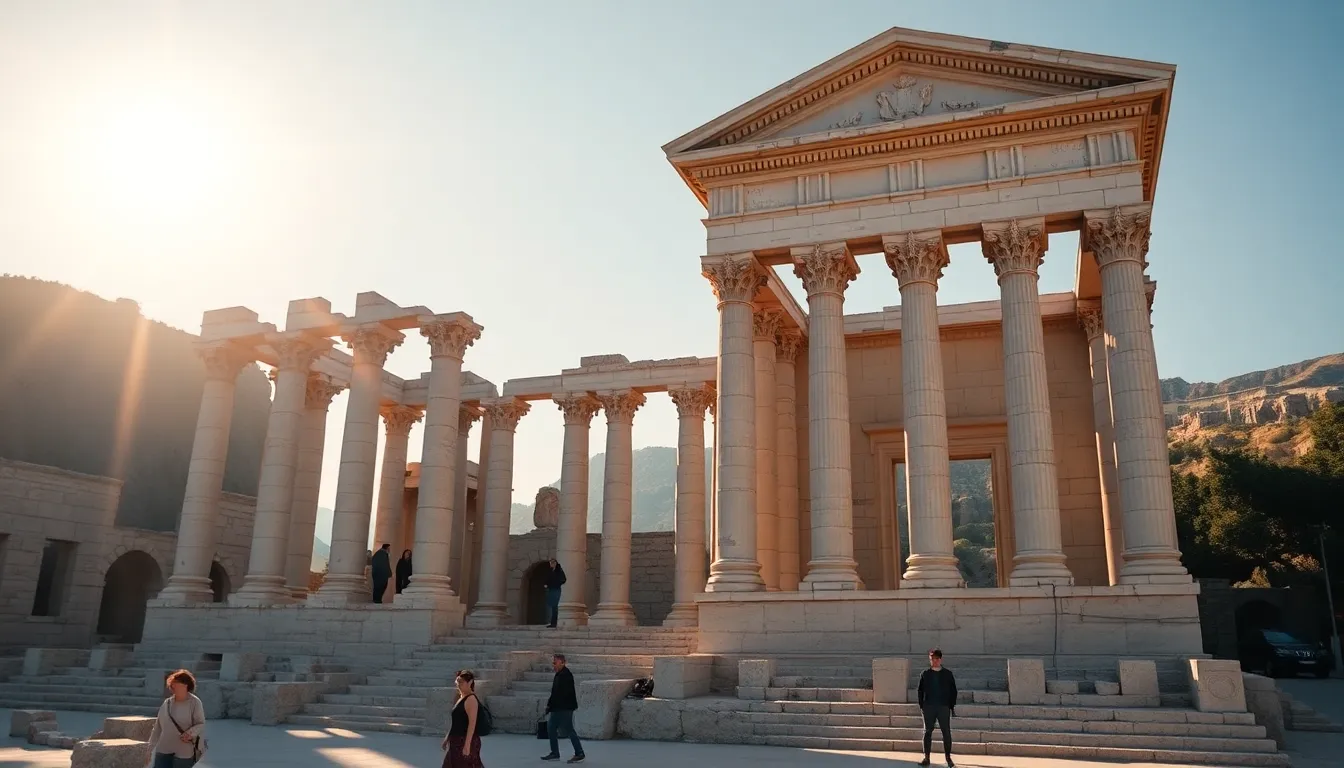
Along the Aegean coast, around Ephesus, Pergamon, and the cities of Revelation, July and August bring daytime temperatures in the low to mid 30s Celsius (around 90 to 95 Fahrenheit), and the humidity off the sea makes it feel heavier. Sites like Ephesus have long stretches of marble road with almost no shade, and the heat radiates off the stone. Pamukkale, with its white travertine terraces, reflects sun straight back at you.
The interior is a different kind of hot. Cappadocia and central Anatolia sit at altitude, so the air is drier and the nights cool off more, which is a genuine relief. But the midday sun is intense, and the underground cities, while cooler inside, involve crowded, low passages that some people find stifling in summer.
Istanbul, up north, is the mildest of the major stops, warm and sometimes humid but rarely extreme. For a full season-by-season comparison, our guide on the best time to visit Turkey lays it all out.
The Habits That Make a Summer Trip Work
After enough summer groups, I have settled on a handful of non-negotiable habits. None of them are complicated. Together they change a summer trip from an endurance test into something genuinely enjoyable.
Start Early, Genuinely Early
This is the single biggest lever. We get to the major outdoor sites when they open, often by eight in the morning, sometimes earlier. Ephesus at eight is a cool, golden, half-empty wonder. Ephesus at one in the afternoon is a furnace full of cruise-ship crowds. The same site, two completely different experiences. A summer itinerary should be built around early starts, with the hottest part of the day, roughly noon to four, reserved for lunch, rest, indoor sites, or transit.
Build in Real Rest
Mediterranean cultures take the midday heat seriously, and so should your itinerary. A long, unhurried lunch and an actual break in the early afternoon are not wasted time in summer. They are what let an older congregation member make it to the evening with energy to spare. I would rather see two strong site visits, morning and late afternoon, than four exhausting ones crammed across the heat of the day.
Hydration as a Group Discipline
I am firm about water with summer groups, and I make it a shared habit rather than an individual afterthought. Everyone carries a bottle, we refill at every stop, and I keep an eye on the people who tend to forget. Heat exhaustion sneaks up on travelers who are distracted and excited, and it is far easier to prevent than to treat. Light, breathable clothing, a brimmed hat, and good sun protection round out the basics.
Use the Coast and the Pools
Here is one upside of summer worth naming. The sea is warm and inviting, and many coastal hotels have pools. A late-afternoon swim after a morning of sites is a real morale lift, especially for groups traveling with families. Summer is the one season where building a little beach or pool time into the rhythm is not a distraction. It is what keeps the group fresh.
Where the Faith Calendar Fits
Summer does not carry the liturgical pull that spring does for Christian groups around Easter. What it offers instead is availability of people. Summer is when families can travel together, when teachers and students are free, when a congregation can move as a whole community rather than in pieces. For some churches and synagogues, that is reason enough, and the togetherness can become part of what makes the trip meaningful.
If your group includes children and teenagers, summer also lets you bring the next generation to these sites, which has its own quiet weight. Standing at Ephesus or in a Cappadocia cave church with your kids beside you is a different experience than going alone.
Honest Trade-Offs to Weigh
I want you to go in with clear eyes. Summer is peak tourist season in Turkey, so the major coastal sites are at their busiest, and the cruise-ship surge at places like Ephesus and Pamukkale is real. The heat limits how much you can comfortably do in a day. Hotel prices along the coast are at their seasonal high. And anyone in your group with heart conditions, mobility limits, or low heat tolerance will find summer harder than they would find spring or fall.
None of this makes summer a mistake. It makes summer a season to plan more carefully. If you have any flexibility at all in your dates, our guides to Turkey heritage travel in spring and Turkey heritage travel in fall cover the two windows I recommend most. If summer is your only option, the habits above are how we make it good.
For the wider set of preparation details, from packing to pacing, our practical tips for Turkey heritage travel page is a useful companion.
One thing worth knowing as you plan. With Heritage Tours, the group leader travels free when you bring fifteen or more participants. For a leader weighing a summer family trip for the congregation, that math helps, and summer is often when a whole community can finally travel as one.
FAQ: Summer Heritage Travel in Turkey
Is summer too hot for a Turkey heritage tour?
It is hot, but it is workable with the right plan. The Aegean coast in July and August runs into the low to mid 30s Celsius with humidity, and sites like Ephesus offer little shade. The fix is structural: early morning starts, a real midday rest, disciplined hydration, and a lighter daily load. With those habits in place, summer groups do well. If your dates are flexible, spring or fall is gentler.
What is the coolest part of Turkey in summer?
The interior, surprisingly, offers more relief at night. Cappadocia and the high plateau sit at altitude, so the air is drier and the evenings cool down more than on the humid coast. Istanbul in the north is the mildest of the major stops. The coast is the hottest and most humid, which is why coastal site visits belong in the early morning.
How should I structure a summer day to handle the heat?
Front-load the day. Reach the big outdoor sites when they open, often around eight in the morning, and finish the heavy walking before midday. Reserve the noon-to-four window for a long lunch, rest, indoor or underground sites, or travel between cities. Add a late-afternoon site visit once the worst heat passes, and use coastal pools or the sea in the gaps.
Is summer a good time to bring families and children to Turkey?
Yes, and it is often the only practical window for them. Summer is when school is out and families can travel together, and the warm sea and hotel pools give younger travelers a welcome release after morning site visits. The trade is heat and crowds, so a family summer itinerary should be paced gently with plenty of water breaks and rest built in.
Will the sites be very crowded in summer?
Summer is peak season, so expect the heaviest crowds of the year at the famous coastal sites, with cruise-ship surges at Ephesus and Pamukkale. Early morning visits are the best defense, since you reach the sites before the day-trip crowds arrive. A good guide will time your stops to keep crowds and heat manageable together.
If summer is your window and you want a trip that works rather than wears your people out, I would love to help you build it. The heat is real, but so is the joy of getting a whole congregation, families and all, to these sites together. With the right pacing, a summer journey through Turkey can be every bit as moving as one in a milder season.
Contact us whenever you are ready to start planning.