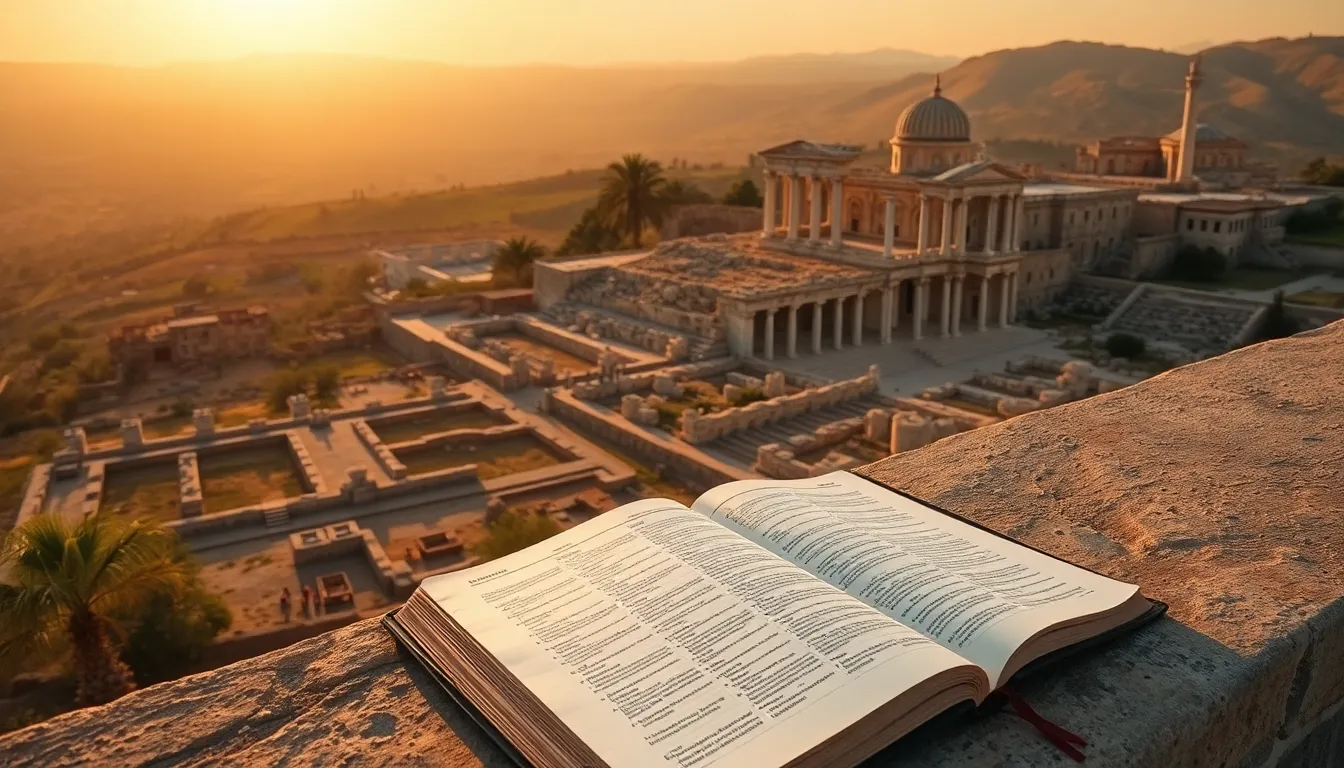
I can usually tell within the first day which groups did the reading. Not because anyone announces it. It is in how they stand at Laodicea. The group that prepared walks up to those ruins already knowing about the hot springs at nearby Hierapolis and the cold water piped in from the hills, already understanding why “lukewarm” was the cruelest possible word to throw at this particular city. They do not need me to explain the metaphor. They feel it the moment they see the landscape, because they came carrying the text inside them.
The group that did not prepare spends the first three days catching up. They are decent people having a nice time, but they are receiving information when they could be having an encounter. The sites are throwing meaning at them faster than they can absorb it, and the deepest moments slide past before they are ready.
The fix is not complicated and it does not require a seminary. It requires a leader who builds a little preparation into the months before departure. Here is how I help groups do it.
Why Preparation Matters More in Turkey Than Almost Anywhere
Some heritage destinations carry you whether you prepared or not. The emotional weight of Jerusalem, for instance, lands on almost everyone regardless of what they read first.
Turkey is different. The Turkish sites reward knowledge in a way that catches unprepared groups off guard. The power of standing in the theater at Ephesus depends on knowing what happened there in Acts 19. The meaning of the seven letters depends on having read Revelation two and three. The underground cities of Cappadocia hit hardest when you already understand the persecution that drove people beneath the earth. Without the text, these are impressive ruins. With the text, they are the places where your faith’s earliest story was lived out.
That is why preparation is not a nice extra for a Turkey trip. It is the difference between sightseeing and pilgrimage. A prepared group arrives ready to meet the sites. An unprepared group spends the trip being introduced to them.
The Core Reading: Revelation 2 and 3
If your group reads only one thing before Turkey, make it the letters to the seven churches in Revelation chapters two and three. These are short, they are vivid, and most of the cities are on your itinerary.
I suggest assigning them about two months out, one letter at a time if you meet weekly, so the group can sit with each church rather than rushing all seven. For each one, I give the group three simple things to notice: what the church is praised for, what it is warned about, and what it is promised. That structure keeps people from getting lost in the symbolism and keeps them focused on what each letter actually asks.
The payoff on the ground is real. When you stand at Sardis and your group already knows it is the church with a reputation for being alive but warned that it was dead, the conversation goes somewhere honest fast. They are not learning the lesson for the first time in the heat. They are confronting a lesson they have been carrying for weeks. For the full teaching frame around these sites, our guide on educational framing for Turkey heritage trips goes deeper.
The Second Reading: Acts and the World of Paul
The other essential preparation is the Pauline material, mainly the parts of Acts set in Asia Minor.
Acts 19 is the centerpiece because it is set in Ephesus, where most groups spend significant time. The riot of the silversmiths, the burning of the magic scrolls, Paul’s two years of teaching in the hall of Tyrannus. Reading this before the trip means that when your group stands in the Ephesus theater, they are standing inside a scene they already know.
I also point groups toward Paul’s background. Tarsus, his hometown, and the formation of the man before his ministry. If your itinerary includes Antioch, where the disciples were first called Christians, the relevant passages in Acts 11 and 13 set that up. The point is not to assign a heavy syllabus. It is to make sure that wherever your group will stand, they have already read the verses that happened there.
How to Run the Preparation Without Overloading People
The mistake leaders make is treating preparation like homework that people will resent. The opposite approach works better. Make it light, communal, and anticipatory, so the reading builds excitement rather than dread.
Meet a Few Times Before You Go
Three or four pre-trip gatherings is plenty. I structure them around the itinerary itself. One session on the Seven Churches, one on Paul in Ephesus, one on the historical setting of early Christianity in Asia Minor, and a final practical session that doubles as community building. People arrive at the airport already knowing each other and already inside the story.
Give People Something Small and Specific
Long reading lists get ignored. Instead, assign short, pointed pieces with one question attached. “Read Revelation 3:14 to 22 and come ready to say what lukewarm means to you.” That is a request people actually complete, and it produces real conversation. The goal is engagement, not coverage.
Frame It as Building the Group, Not Grading It
The preparation is where your travelers become a community rather than a collection of individuals. Lean into that. The shared reading gives people a common language before they ever board the plane, and that bonded group is the one that has the deepest experience on the ground. It also makes the evening reflections on the trip immediately richer, because the relationships are already there.
Preparing the Heart, Not Just the Head
There is a quieter layer to preparation that I never skip. Beyond the reading, I ask people to come with a question of their own.
Heritage travel works on people in unexpected ways. Someone who came for the history finds themselves undone at the riverside or the underground church. I prepare groups for this by naming it ahead of time. I tell them that somewhere on this trip a site is going to reach them, and they will not know which one until it happens. I ask them to come open to it, to bring whatever they are wrestling with, and to expect that the ground might speak to it.
That framing gives people permission to be moved. It tells the reserved members of the group that emotion here is not embarrassing, it is the point. A group prepared in the heart as well as the head is a group that comes home different.
A Practical Word for the Leader
Your own preparation matters most of all. The group will go as deep as you lead them, and they will sense whether you have done the work. Read the sites yourself, walk the passages, decide in advance which moments you want to hold space for. The free leader benefit, which I explain in our guide on how the free leader travels free in Turkey, exists precisely so you can give your attention to this rather than to your own costs. Use that freedom to prepare well.
FAQ: Preparing a Group Spiritually for Turkey
What should my group read before a Turkey pilgrimage? Start with Revelation chapters two and three, the letters to the seven churches, since most of those cities are on a Turkey itinerary. Add the parts of Acts set in Asia Minor, especially Acts 19 in Ephesus. Reading the passages tied to the places you will stand is the single most valuable preparation you can do.
How far in advance should we start preparing? About two months out works well. That gives you time for three or four pre-trip gatherings without overloading anyone. Assign short, specific readings with one question each rather than a long syllabus, so people actually engage and arrive ready.
Do we need a Bible scholar to lead the preparation? No. The preparation is about reading the right passages and asking honest questions, not academic depth. A leader who has done the reading and structured a few gatherings around the itinerary is exactly what the group needs.
How do I prepare people emotionally, not just intellectually? Name it ahead of time. Tell your group that some site on this trip will reach them unexpectedly, and ask them to come open to it with a question of their own. Giving people permission to be moved before they go is what lets the deepest moments happen on the ground.
Does preparation really change the trip that much? Yes, more than almost anything else you control. A prepared group arrives ready to meet the sites and goes deep from day one. An unprepared group spends the first days catching up and misses the quiet moments that make the trip. The reading is what turns sightseeing into pilgrimage.
If you are ready to build the pre-trip study that sets your group up for Turkey, I am glad to help you shape it around your itinerary. See the sites your reading will bring to life on our Turkey destination page, or learn how the group experience works on our group heritage tours page.
Contact us and we will plan both the trip and the preparation together.