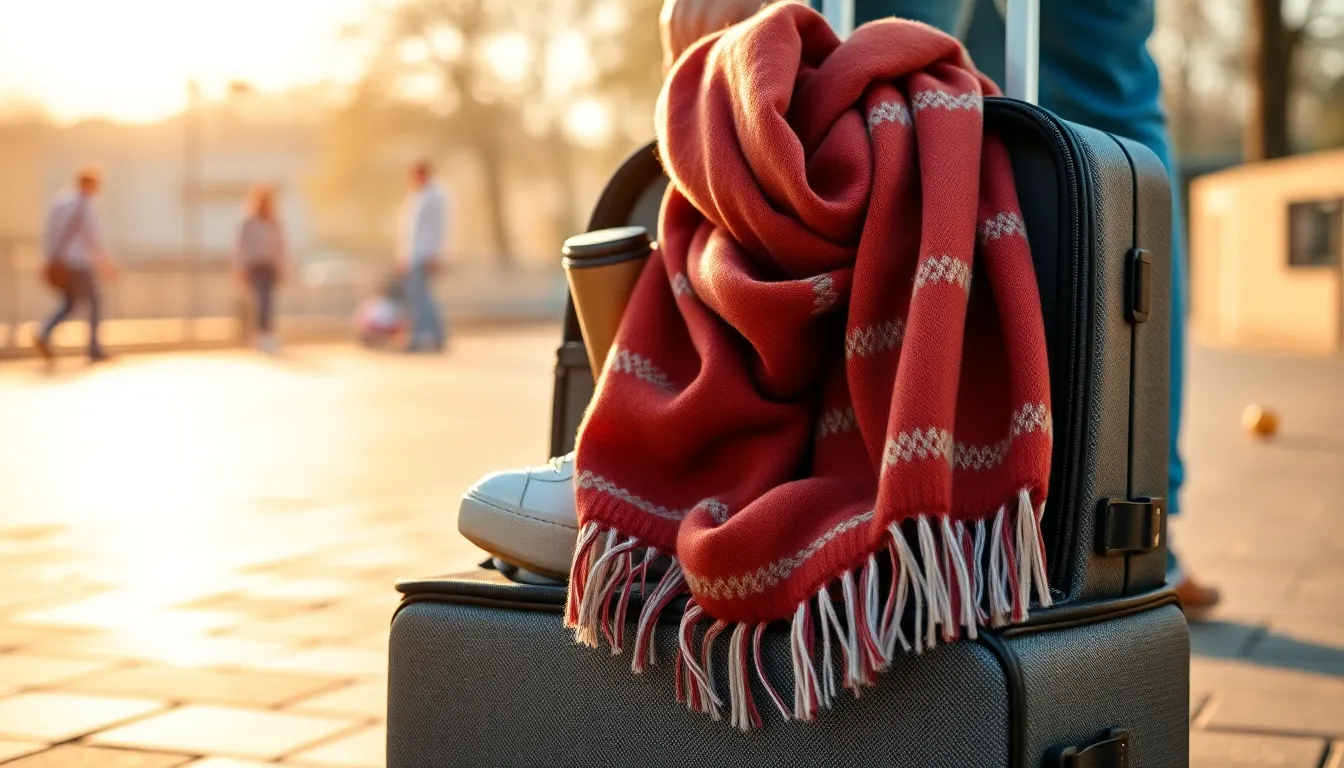
I can usually tell within the first hour of a trip who packed well and who packed in a panic the night before. The well-packed traveler is comfortable, appropriately dressed for the mosque we are about to enter, and not limping by lunch. The panicked packer is the one I am lending a scarf to at the door of the Blue Mosque, or watching wince across the marble at Ephesus in brand-new shoes. Neither problem is hard to avoid. They just require knowing what Turkey actually asks of you before you visit.
So let me give you the packing guidance I send every group, built around the three things that really matter for a faith heritage trip: dressing respectfully for the sacred sites, surviving the climate, and getting across a lot of ancient stone without injuring yourself. Share this with your travelers early, because the people who pack right have a better trip from the first morning.
Dressing for the Sacred Sites
Turkey is a Muslim-majority country, and the heritage circuit takes you into active mosques, the Blue Mosque, the Hagia Sophia, and others, where modest dress is not optional. It is a matter of respect and, at many sites, a condition of entry. This is the part travelers most often get wrong, so I am specific about it.
For Everyone
At mosques and many religious sites, shoulders and knees must be covered. That means no tank tops, no shorts above the knee, no spaghetti straps. You will also remove your shoes before entering a mosque, so wear socks you are comfortable being seen in and shoes that slip on and off easily. Trust me, you do not want to be wrestling with laces while a line of people waits behind you.
For Women Specifically
Women must cover their heads inside a mosque. Carry a lightweight scarf in your day bag at all times. Most major mosques lend scarves at the entrance, but they are shared, often well-worn, and you will be far happier with your own. A simple pashmina or large scarf does triple duty: head covering for mosques, shoulder cover when a sleeveless top would otherwise be a problem, and warmth on a cool evening or an over-air-conditioned coach. If your travelers pack one good scarf, it solves more problems than anything else in the bag.
The General Principle
Even away from religious sites, Turkey leans more modest than a beach holiday. Dressing in keeping with local norms is not just respectful; it draws less unwanted attention and helps your group blend in. You can dress comfortably and still dress thoughtfully. They are not in conflict.
Footwear: The Single Most Important Choice
If you take one thing from this guide, take this. The shoes are the trip. Heritage travel in Turkey means walking, a lot of it, across uneven ancient stone, polished marble worn smooth by two thousand years of feet, gravel paths, and the occasional steep climb. Ephesus alone is a serious amount of walking on hard, irregular surfaces.
Bring shoes that are already broken in. A new pair of “walking shoes” bought for the trip and worn for the first time on day one is how people end up with blisters by day three and miss the moments that matter. Choose closed, supportive shoes with good grip and cushioning. Sandals are fine for the hotel and dinner, but not for the sites. And because you will be slipping shoes on and off at mosques, a pair that is supportive but not a battle to remove is ideal.
For travelers with any mobility concerns, this is also where a conversation with me before the trip helps. We structure the pace around the group we bring, and knowing who needs to take the stone slowly lets us plan it well. The footwear is a safety issue as much as a comfort one, which is part of the broader risk picture I cover in our briefing on whether Turkey is safe for heritage groups.
Packing for the Climate, Season by Season
Turkey is large and its weather varies, so pack for when you are going. The two things to know: the heritage sites are mostly exposed with little shade, and Cappadocia and central Turkey get cold at night even when the days are warm.
- Spring (April to May): Mild and lovely for walking. Days are pleasant, mornings and evenings cool. Pack layers, a light jacket, and a scarf. This is my favorite season for groups.
- Summer (June to August): Hot, especially at exposed sites like Ephesus where temperatures can climb well past 32°C (90°F) with no shade. Pack lightweight, breathable, modest clothing, a wide-brimmed hat, strong sunscreen, and a refillable water bottle. Heat is the real adversary in summer.
- Fall (September to October): Similar to spring, comfortable and clear. Layers and a light jacket. Another excellent window.
- Winter (November to March): Cold, particularly in Cappadocia, which can see snow. Pack a proper coat, warm layers, gloves, and a hat. Istanbul is damp and chilly. Fewer crowds, but dress for real cold.
Across every season, the layering principle holds. Mornings start cool, midday at a sunny site gets warm, the coach runs cold, and evenings drop again. Travelers who can add and shed a layer easily are comfortable all day. Travelers locked into one heavy outfit are miserable by mid-afternoon.
The Practical Items People Forget
These are the small things that turn out to matter, the ones that come up on every trip when someone wishes they had packed them.
- A scarf or pashmina (covered above, but it earns repeating).
- A refillable water bottle. Tap water is not for drinking, but bottled water is everywhere and a refillable bottle keeps your traveler hydrated across long site days.
- Sun protection. Hat, sunglasses, high-SPF sunscreen. The exposed sites are relentless in summer.
- A small day bag with a secure zip, worn in front in crowds, for water, scarf, sunscreen, and documents.
- Medications in carry-on, in original labeled containers, with a few extra days’ supply. Never check essential medication.
- A printed copy of key documents, including the e-Visa where required, which I cover in our guide on visas and entry for a Turkey heritage trip.
- A universal power adapter. Turkey uses the European two-round-pin plug (Type F), 230 volts. American devices need an adapter, and some older electronics need a converter.
- Hand sanitizer and basic first aid: blister plasters above all, for the stone you will be walking.
Pack Light, but Pack Right
One last principle. You will be moving between regions, often with internal flights that have luggage limits, so do not overpack. A single checked bag and a carry-on is plenty for a ten-day trip if you pack in layers and neutral colors that mix. The goal is a bag light enough to manage yourself across airports and hotel transfers, but complete enough that nobody is borrowing a scarf at the mosque door.
If you want the full logistics picture alongside this packing list, our hub on practical tips for Turkey heritage travel ties it all together, and our Turkey destination page shows the sites you will be dressing and walking for. With a group of fifteen or more, the group leader travels free, and a well-prepared group is a joy to lead from the very first morning.
FAQ: Packing for a Turkey Heritage Tour
What should women wear to visit mosques in Turkey?
Cover shoulders and knees, and bring a lightweight scarf to cover your head, which is required inside mosques. A simple pashmina handles head covering, shoulder cover, and evening warmth all at once. Mosques often lend scarves, but bringing your own is cleaner and more comfortable. You will also remove your shoes, so wear socks you are happy to be seen in.
What shoes should I pack for Turkey heritage sites?
Closed, supportive, broken-in walking shoes with good grip and cushioning. Sites like Ephesus involve a lot of walking on uneven, polished ancient stone. Never bring brand-new shoes you have not worn before; that is how blisters ruin a trip. Save sandals for the hotel and dinners, not the sites.
How should I dress for the weather in Turkey?
Pack in layers regardless of season, because mornings are cool, midday at exposed sites is warm, and coaches run cold. Spring and fall are mild; summer is hot with little shade, so add a hat and strong sunscreen; winter, especially in Cappadocia, is genuinely cold and needs a real coat. Layers let everyone stay comfortable all day.
What do travelers most often forget to pack?
A scarf or pashmina, a refillable water bottle, sun protection, a secure front-worn day bag, and a universal power adapter (Turkey uses the European Type F plug, 230 volts). Most important: medications in carry-on, in original containers with extra days’ supply, plus blister plasters for the stone walking.
Is it okay to dress casually outside religious sites?
Yes, but Turkey leans more modest than a beach destination, so casual still means thoughtful. Comfortable, modest clothing draws less attention and helps your group blend in. You can be comfortable and respectful at the same time; the two do not conflict.
If you are putting a packing note together for your congregation, you are welcome to lean on everything here, and I am glad to tailor it to your specific dates and itinerary. A group that arrives prepared has a better trip from the first hour, and helping you get there is part of what I do.
Contact us and I will help you get your travelers ready.