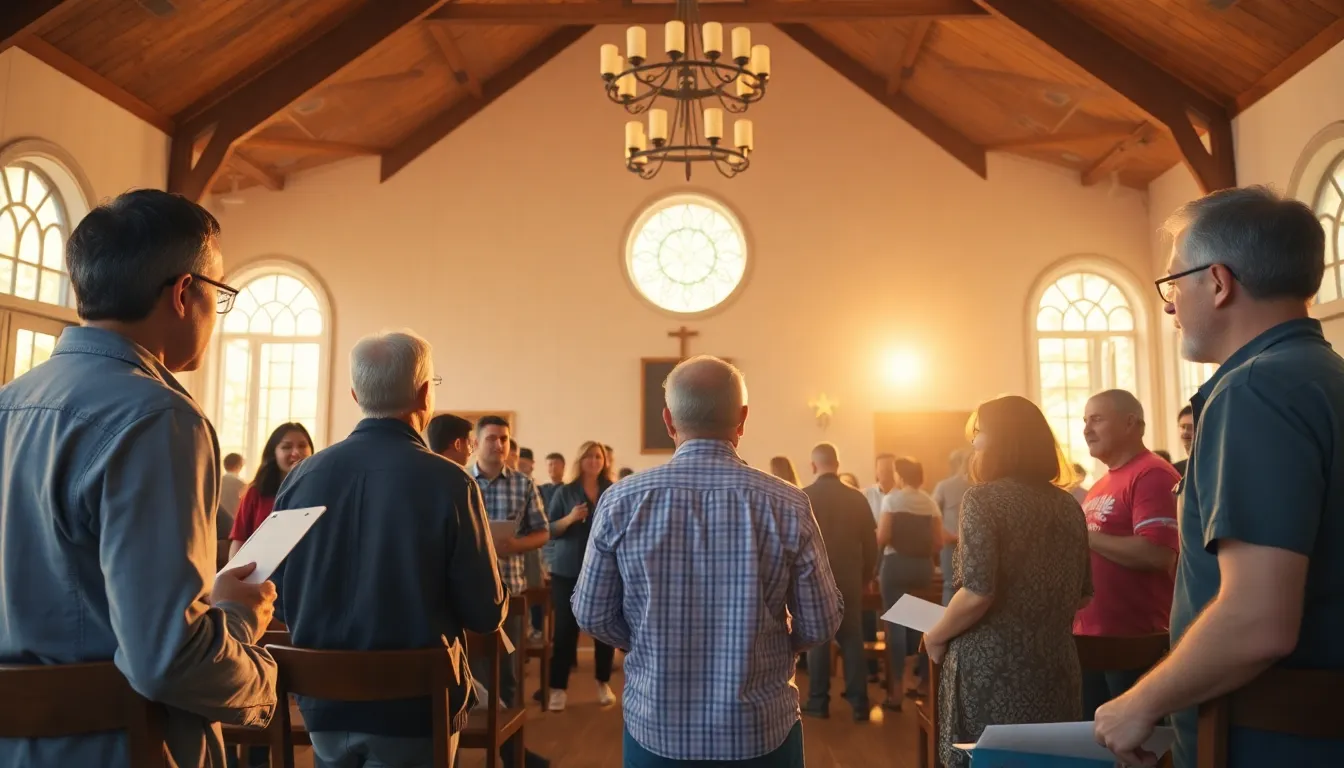
I have watched a lot of pastors and rabbis fall in love with the idea of leading their people to Turkey, and then freeze the moment the price comes up. They start doing the math in their heads for the family with three kids, the widow on a fixed income, the young couple just starting out, and they quietly talk themselves out of the whole thing. I understand the instinct. But I want to tell you something I have learned over many years of helping congregations get there: the money is almost never the real obstacle. The plan is.
A trip that feels impossible at full price becomes very possible when you give your people eighteen months, a clear deposit structure, and two or three honest fundraising tracks running at once. Let me walk you through how the groups that actually go to Turkey pull it off.
Start With the Real Number, Then Work Backward
You cannot fundraise toward a number you do not know. Before you say a word from the pulpit, get a real quote so you can tell your people the truth. For most groups, an all-in Turkey heritage trip lands somewhere around $4,000 per person, and I break down exactly where that figure comes from in our guide on what a Turkey heritage tour costs.
Once you have that number, work backward. If the trip is eighteen months out and the all-in cost is $4,000, that is roughly $222 a month. Said that way, to a family already used to budgeting, it stops sounding like a fantasy and starts sounding like a car payment they can plan for. The job of fundraising is to shrink that monthly number, not to cover the whole thing.
Build an Eighteen-Month Runway
The single biggest predictor of whether a congregation trip fills is lead time. Eighteen months is the sweet spot. It gives families time to save, gives your fundraising tracks time to compound, and gives you time to fill those fifteen seats without panic.
Here is the rhythm I recommend:
- Months 18 to 15: Announce the trip. Lock the dates and the price. Open a deposit window.
- Months 15 to 9: Run your main fundraising tracks. Collect monthly installment payments.
- Months 9 to 4: Confirm the group, finalize the itinerary, push the last few seats.
- Months 4 to 0: Final payments, paperwork, pre-trip gatherings.
That runway is also what unlocks the group leader benefit. With Heritage Tours, the leader travels free when you bring fifteen or more participants, and eighteen months is plenty of time to reach fifteen if you start steady and early.
The Deposit and Installment Structure That Actually Works
The way you collect money matters as much as how much you raise. Big lump sums scare people. Small, predictable payments do not.
Use a low deposit to lock a seat, somewhere around $250 to $400, then move everyone onto monthly installments. The deposit does two things: it gives families a small, achievable first commitment, and it tells you who is serious so you can plan the group. Once someone has put down a deposit, they have crossed a line in their own head. They are going.
Then automate the monthly payments if you can. A family paying $200 a month barely notices it after the second month. A family staring at a $4,000 invoice in month sixteen panics. Same total, completely different psychology.
Three Fundraising Tracks to Run at Once
You do not pick one fundraising method. You run two or three in parallel, because each one reaches a different part of your community and they add up faster together.
Track One: Congregation-Wide Events
These raise money and build excitement at the same time, which is their real value. A few that consistently work:
- A heritage dinner. Host a meal themed around the destination, with photos and stories from the trip ahead. Sell tickets. People who will never travel to Turkey will happily fund the people who do.
- A skills auction. Members donate services (a home-cooked dinner, a weekend of babysitting, handyman hours) and the congregation bids. This works astonishingly well and costs nothing to run.
- Seasonal sales. Bake sales, plant sales, holiday markets. Modest per event, but steady over eighteen months.
The point of these is not just dollars. It is that they make the trip the congregation’s project, not just the travelers’ expense.
Track Two: Sponsor a Pilgrim
Some members cannot travel but want to be part of it. Let them sponsor a seat, in whole or in part, often for a young person, a teacher, or someone who serves the congregation faithfully but could never afford the cost. Frame it as planting their presence on the journey. I have seen single donors fund an entire scholarship seat because the leader simply asked. People give to things they believe in. A heritage journey to the lands of scripture is exactly that kind of thing.
Track Three: Individual Effort
Encourage each traveler to raise a portion of their own cost. Some write support letters to family and friends, the same way mission travelers have for generations. Others sell something, pick up side work, or redirect a tax refund. When a participant raises even a quarter of their own cost, the trip stops feeling like a luxury and starts feeling earned. That changes how they show up on the ground, too.
Set Up a Scholarship Fund Early
Decide from the start that no one who is called to go gets left behind for money. Create a small scholarship fund and seed it with proceeds from your congregation-wide events plus any sponsor gifts. Here is where the leader benefit becomes a tool: because the group leader travels free with fifteen participants, some leaders take the value that would have covered their own seat and direct it into the scholarship fund instead. That single move has put more than one congregation member on a plane who otherwise would have stayed home.
Don’t Skip the Excitement Work
Fundraising is not only collecting money. It is keeping the trip alive in your people’s imagination for eighteen months. Show photos. Tell the stories of the sites you will stand in. Read the scriptures that happened in those places. Host a couple of pre-trip gatherings where the group meets, looks at the itinerary, and prays together. Excitement is what carries people through sixteen monthly payments. A trip that feels real and near gets paid for. A trip that feels abstract and distant does not.
You can use our Turkey destination page and our group heritage tours overview to give your congregation something concrete to look at while you build momentum. And once families understand the cost is reachable, the safety and logistics questions come next, which I address in our honest briefing on whether Turkey is safe for heritage groups.
FAQ: Fundraising a Turkey Heritage Trip
How far ahead should we start fundraising for a congregation trip?
Eighteen months is the sweet spot. It lets families save in small monthly amounts, gives your fundraising events time to compound, and gives you room to reach the fifteen-person threshold that unlocks the free leader seat. Twelve months can work for a motivated group, but eighteen removes most of the financial pressure.
What is a reasonable deposit to ask for?
Around $250 to $400 per person. Keep it low enough to feel achievable but real enough to confirm who is serious. Once someone puts down a deposit, they have made the decision internally, and your group becomes real. Move everyone onto monthly installments after the deposit.
How do we help families who cannot afford the full cost?
Set up a scholarship fund early. Seed it with proceeds from congregation-wide events and sponsor-a-pilgrim gifts. Many leaders also redirect the value of their free leader seat into the fund. Between those sources, most congregations can cover at least one or two members who could not otherwise come.
What fundraising events actually work for travel?
Heritage dinners, skills auctions where members donate services for bidding, and steady seasonal sales are the reliable performers. The best ones raise money and build excitement at the same time, turning the trip into the whole congregation’s project rather than just the travelers’ expense.
How does the free group leader seat help fundraising?
With fifteen or more participants, the leader travels free, with the seat cost spread across the group. You can use that built-in value three ways: lower the per-person price, fund a scholarship seat, or simply remove the personal cost barrier that stops many clergy from leading at all. Most leaders direct it toward the scholarship fund.
If you are weighing whether your congregation could really pull this off, I would be glad to help you build the budget and the timeline. I have watched plenty of leaders go from “we could never afford this” to standing in Ephesus with thirty of their people. The plan is what makes the difference.
Contact us whenever you are ready to map out the path.