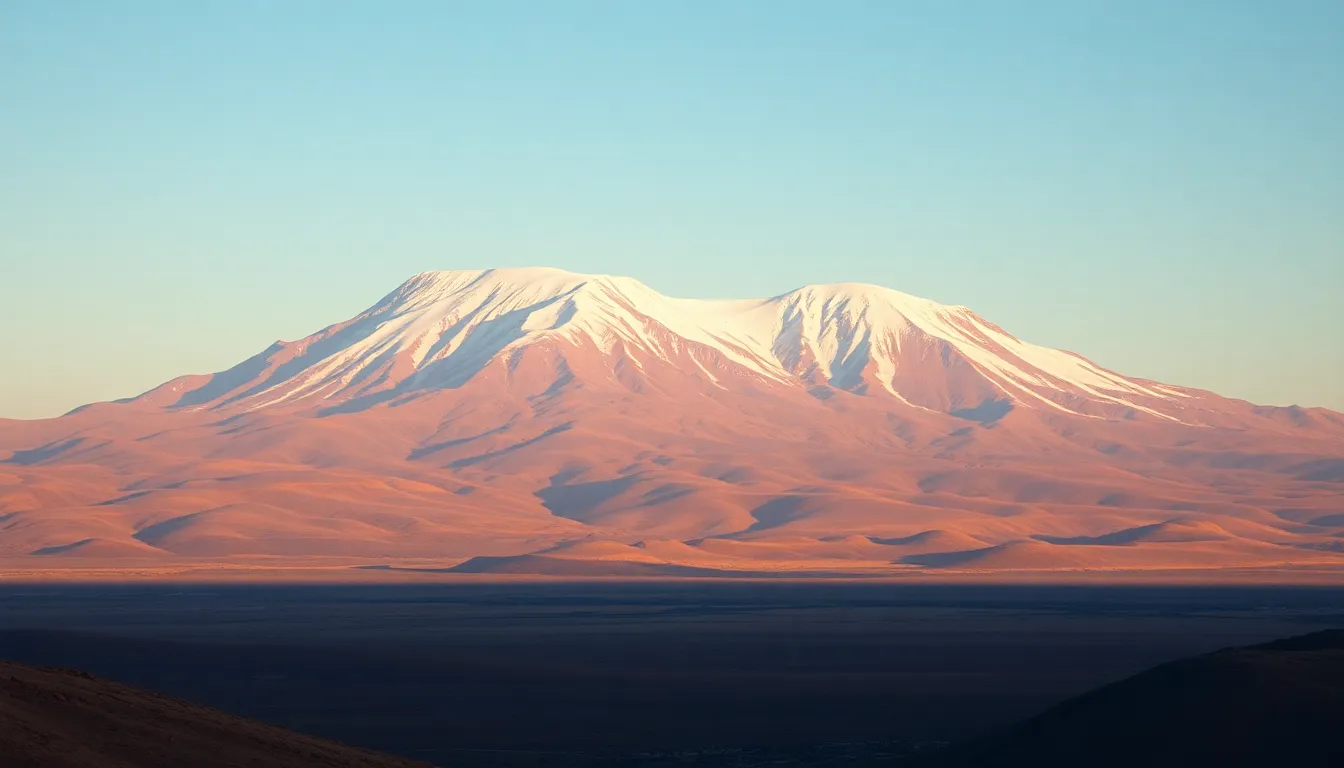
The first time I watched Mount Ararat come into view, our group had been driving for hours across the eastern plain, and then the clouds shifted and there it was, the snow-capped twin summit standing alone above everything. Nobody said anything for a while. A rabbi in the group finally spoke, quietly, and said he had read about this mountain his entire life and never once imagined he would see it with his own eyes. That is the eastern Turkey trip. It is long, it is demanding, and it takes your group to the ground where Genesis happened.
I want to be direct with you. This is not a first heritage trip. The distances are vast, the infrastructure is thinner, the days are long, and the region requires a group that is fit, flexible, and genuinely hungry for the biblical deep end. But for the right group, eastern Turkey is the most extraordinary heritage journey in the country, because here you stand at Ararat, walk the streets of Abraham’s Harran, and visit the oldest temple ever built by human hands. Here is how I structure it, and who it is for.
Who This Trip Is For, and Who It Is Not For
One honest paragraph before the itinerary, because it matters more here than anywhere. Eastern Turkey rewards experienced groups and punishes unprepared ones. The drives between sites run several hours, the heat in summer is severe, and the comforts of the western tourist circuit are not always available. I plan this route only for groups who have traveled together before, who are physically able, and who understand they are trading comfort for access to ground almost no tour reaches. If that is your congregation, read on. If your group is new to heritage travel, start with the 12-day Turkey heritage itinerary and come east later.
Days 1 and 2: Arrival in the East and Mount Ararat
We fly into the east rather than driving from Istanbul, which would consume days. From the regional airport, the journey toward Ararat begins.
Day 1 is arrival and acclimatization in the shadow of the mountain. We base near Dogubayazit, and the first sight of Ararat from the approach is the moment the trip becomes real. In the late afternoon, we visit the Ishak Pasha Palace, a dramatic Ottoman-era complex perched on a cliff with the plain spreading out below, a gentle first day after travel.
Day 2 is Ararat itself. We are not climbing the peak, which is a serious mountaineering expedition, but we take the group to the best viewing and reflection points, and visit the so-called Durupinar formation nearby, the boat-shaped landform that some associate with the ark’s resting place. Whatever your group believes about that specific site, standing on this plain beneath the mountain named in Genesis is a profound experience. We give it space and let people sit with it.
Group leader note: Ararat sits in a border region, and conditions can require permits or affect access. We monitor this continuously and confirm the route before your group commits. This is not a place to improvise. Planning is everything in the east.
Days 3 and 4: Sanliurfa, the City of Abraham
We travel southwest to Sanliurfa, ancient Urfa, a city saturated with the memory of Abraham. By tradition this is near the Ur of the Chaldees from which Abraham set out, and the city holds his story everywhere.
Day 3 is the heart of Sanliurfa. We visit the Pool of Abraham, the Balikligol, with its sacred carp and the cave revered as Abraham’s birthplace, a site holy to Muslims, Jews, and Christians alike. The old bazaar here is one of the most atmospheric in Turkey, unchanged in feel for centuries. For a group tracing the patriarchs, Sanliurfa is the emotional center of the trip. The streets feel ancient in a way the western sites, grand as they are, do not.
Day 4 is Gobekli Tepe, just outside the city. This is the oldest known temple complex on earth, built around 9600 BC, thousands of years before Stonehenge or the pyramids. Massive carved stone pillars arranged in circles, raised by people we barely understand, predating writing and agriculture. Standing here reframes a group’s entire sense of human history and worship. We pair it with the nearby Sanliurfa museum, which holds the oldest life-sized human statue ever found.
Group leader note: Gobekli Tepe is now a protected UNESCO site with timed entry and walkways. We pre-book group access and time the visit for early morning, because the site offers little shade and the eastern sun is unforgiving by mid-morning.
Day 5: Harran, Where Abraham Lived
Day five is the site I most want a serious group to reach. Harran is where Abraham and his family settled after leaving Ur, named directly in Genesis, and it has been continuously inhabited for thousands of years.
Day 5 is Harran. The famous beehive mud-brick houses, a building style that may go back millennia, still stand and are still used. We walk the ruins of the ancient city, its old university, and the mound that hides layers of settlement reaching back to Abraham’s time and before. There is something staggering about standing in a place named in the patriarchal narratives that is not a reconstruction or a guess but a living, occupied town. We read the relevant Genesis passages here, on the ground where they happened. For groups who have come all this way, Harran is the payoff.
Group leader note: Harran is remote and hot, with limited facilities. We bring water, plan the visit for the cooler hours, and keep the group together. The remoteness is part of the meaning, but it requires discipline in the planning.
Days 6 and 7: Mardin and the Departure
Day 6 carries the group to Mardin, a honey-colored stone city cascading down a hillside above the Mesopotamian plain, and one of the oldest centers of Syriac Christianity in the world. We visit the ancient monastery of Deyrulzafaran nearby, where the liturgy has been sung in a dialect of Aramaic, the language of Jesus, for over fifteen centuries. After the raw biblical ground of the previous days, Mardin gives the group a living Christian community to connect it all to.
Day 7 is the journey home, flying back west for international connections. The east does not have the easy logistics of Istanbul, so we build the departure carefully to get everyone to their flights without strain.
Building Your Eastern Turkey Trip
This route can stand alone as a focused biblical-east expedition for an experienced group, or it can extend a longer Turkey journey for groups with the time and stamina. Many serious congregations pair it with the deep theological roots of our Byzantine heritage itinerary in the west, building a trip that spans Genesis to the great councils. The full country picture is in our 12-day Turkey heritage itinerary and on our Turkey heritage page.
One thing worth knowing as you plan: with Heritage Tours, the group leader travels free when you bring fifteen or more participants. For a rabbi or pastor organizing an ambitious expedition like this, that helps the math on a longer, costlier trip.
FAQ: Planning an Eastern Turkey Heritage Trip
Is eastern Turkey suitable for a first heritage trip?
No. The distances are vast, the days are long, the heat is severe, and the infrastructure is thinner than the western circuit. I plan this route only for groups who have traveled together before and are physically fit. A first-time group should start with the western Turkey itinerary and come east on a later trip, once the group knows it can handle a demanding journey.
What biblical sites does eastern Turkey include?
Mount Ararat, named in the Genesis flood narrative; Sanliurfa, traditionally linked to Abraham’s origins; Harran, where Abraham settled after leaving Ur and which Genesis names directly; and Gobekli Tepe, the oldest temple on earth. Mardin adds living Syriac Christianity, where Aramaic is still sung. For a group tracing the patriarchs and the roots of worship, no region is richer.
How physically demanding is an eastern Turkey trip?
Demanding. Expect several hours of driving between sites, severe summer heat, walking on uneven ancient ground, and fewer comforts than the western tourist route. We pace the days as carefully as the region allows and plan visits for the cooler hours, but this is a trip for an able and flexible group.
Is eastern Turkey safe for organized groups?
With careful planning, yes. Some sites near the border can require permits or be affected by conditions, so we monitor the situation continuously and confirm the route before your group commits. We work with experienced local partners and never improvise in this region. Honest, current planning is the whole game in the east.
How many days does an eastern Turkey itinerary need?
Seven days covers the core route from Ararat to Mardin at a workable pace. Trying to compress it further means too many hours in the vehicle and too little time on the ground. If you want to combine the east with western Turkey, plan for twelve to sixteen days total. Start the conversation here.
If your group is ready for the biblical deep end, the ground where Genesis happened, I would be glad to help you shape this expedition. You can learn how the group experience works on our group heritage tours page, and reach out whenever you are ready.
Contact us to start planning.