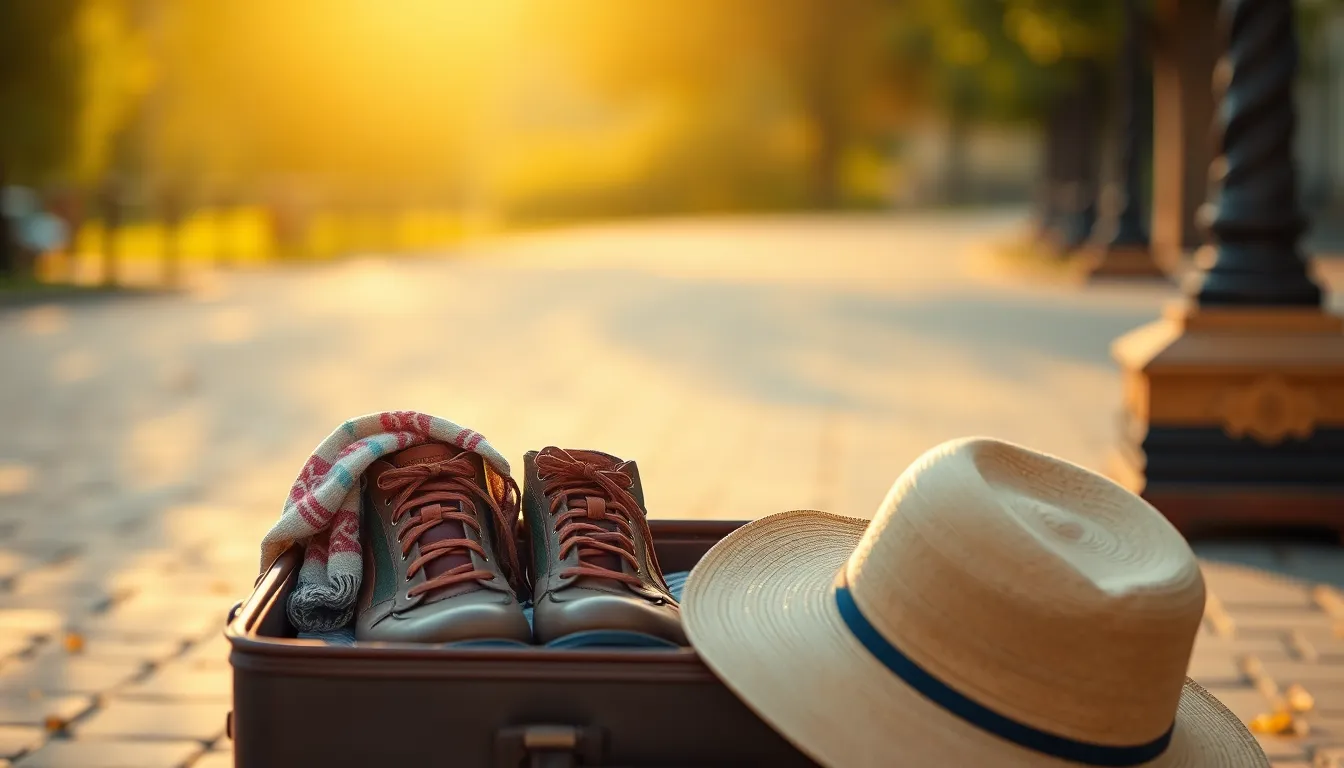
I can tell within an hour of meeting a group at the airport who packed well and who did not. It is not about how much they brought. It is about the few right things. The traveler in proper walking shoes is comfortable on day one. The one in new sandals is limping by Belmonte. The group that brought modest layers walks into the synagogue and the cathedral without a second thought. The one that did not stands at the door of a working house of worship, underdressed and uncomfortable.
A heritage tour is not a beach holiday and it is not a city break. You will be walking real distances on old stone, entering active places of worship, and moving between warm afternoons and cool evenings. Packing for it is specific. Here is exactly how I tell groups to do it.
Start with Modesty, Because the Sites Demand It
This is the part general packing lists skip and the part that matters most for a faith group. In Portugal you will enter functioning churches, the cathedrals of Lisbon, Porto, and Coimbra, the sanctuary at Fatima, and the synagogue at Belmonte, which is a living house of worship and not a museum. These places have expectations, and meeting them is a matter of respect, not just rules.
The practical standard is simple:
- Shoulders covered. No tank tops or bare shoulders inside churches or the synagogue. This applies to men and women.
- Knees covered. Skirts and shorts that reach the knee or longer. For comfort across a long trip, many travelers prefer lightweight trousers or longer skirts.
- A scarf or shawl that packs small. This is the single most useful item a woman can bring. It covers shoulders instantly when entering a site, doubles as warmth on a cool evening, and weighs nothing. I tell every female traveler to keep one in their day bag at all times.
- For Belmonte specifically, dress as you would for a synagogue at home. Men should have a head covering available. Approach it the way you would approach any active congregation, because that is exactly what it is.
If you set this expectation with your group before departure, you avoid the awkward moment at a sanctuary door entirely. Tell them plainly: pack as if every day might include a visit to a place of worship, because most days will.
Footwear Is the Decision That Makes or Breaks the Trip
I am going to be blunt about this because I have watched it go wrong too many times. Portugal’s heritage towns are cobblestoned, hilly, and old. Lisbon is built on seven hills. Belmonte and the interior towns have steep, uneven lanes worn smooth over centuries. You will be on your feet for hours.
Pack one pair of genuinely broken-in walking shoes or supportive sneakers as your primary footwear. Not new ones bought for the trip. Broken-in. A second comfortable pair gives your feet a rest and covers you if the first gets wet. Leave the fashion shoes and new sandals at home, or bring them only for a quiet dinner. Your feet are your transport on this trip, and cobblestones are unforgiving to anyone who chose style over support.
For older travelers, this advice is not optional. The right footwear is the difference between enjoying the day and dreading it.
Pack for the Climate, Which Changes Through the Day
Portugal’s weather is comfortable across most of the year, but the daily swing surprises people. A warm, sunny afternoon can turn into a cool evening, and the interior, higher and more exposed, runs cooler than coastal Lisbon. The Fatima plaza, in particular, has no shade, so a warm day there is genuinely hot.
The answer is layers, not bulk.
Spring and autumn, the most common heritage seasons: pack light layers for warm days, a fleece or sweater for evenings, and a light, packable rain jacket. Portugal can get rain, especially in the interior and the north.
Summer: lightweight, breathable clothing in light colors, plus serious sun protection. The Fatima plaza and outdoor sites are exposed.
Winter: mild on the coast but properly cool in the interior, especially evenings. A warmer coat, layers underneath, and a waterproof outer layer.
In every season, three items earn their place in the day bag: a sun hat for the exposed plazas and afternoons, sunscreen because southern light is stronger than people expect, and a refillable water bottle to stay hydrated across long walking days.
Health and Practical Items
For a congregation that often skews older, this is the section I never let a group skip.
- Medications in original labeled containers, with a few extra days’ supply and a written list of generic names. Keep these in the carry-on, never in checked luggage.
- A small personal first-aid kit: blister plasters above all, because new ground and old stone produce blisters; plus pain relievers, any stomach remedies you rely on, and bandages.
- A European plug adapter. Portugal uses the standard two-round-pin European plug, type C and F, at 230 volts. Confirm your devices handle 230 volts; most phone and laptop chargers do.
- A power bank, because long days of photos and navigation drain a phone.
- Copies of key documents, digital and paper, kept separate from the originals. Our guide to entry and documents for a Portugal heritage trip covers exactly what to carry.
A Few Things Worth Carrying for the Heritage Experience
These are not strictly necessary, but the groups that bring them get more out of the trip.
- A small notebook. The names, dates, and personal stories you hear in Belmonte fade fast after you return home. The leaders who designate someone to keep a daily record find the trip stays vivid for years.
- A modest day bag worn across the body, both for security against pickpocketing in the cities and to carry your shawl, water, and sun hat through long days.
- A few small gifts if your group expects to meet community members. Nothing extravagant. A token of thanks from your congregation is a gracious gesture.
What to Leave Home
Pack lighter than you think. You will be moving between hotels, sometimes up the steps of interior properties, and you will appreciate a manageable bag. Leave behind valuable jewelry, more than one nice outfit, and any “just in case” items you have not used on a trip in years. A single checked bag and a carry-on is plenty for 10 or 11 days. The traveler hauling an oversized suitcase up a cobbled lane in Belmonte learns this lesson the hard way.
If you want to see how the route shapes what your group will actually be doing each day, our Portugal destination page lays it out, and our group heritage tours page explains how the days are paced. For the broader on-the-ground picture, see is Portugal easy for heritage groups and what nobody tells you about heritage travel to Portugal.
FAQ: What to Pack for Portugal
What should I wear to visit churches and the Belmonte synagogue?
Cover shoulders and knees in all functioning places of worship, which applies to men and women. A packable scarf or shawl is the most useful item, covering shoulders instantly and doubling as evening warmth. At Belmonte, dress as you would for a synagogue at home, with a head covering available for men. Treat every day as if it might include a place of worship, because most will.
What kind of shoes do I need for Portugal?
Genuinely broken-in walking shoes or supportive sneakers, not new ones bought for the trip. Portugal’s heritage towns are hilly and cobblestoned, and you will be on your feet for hours. Bring a second comfortable pair to rest your feet and cover wet weather. For older travelers especially, supportive footwear is the single most important packing decision.
What is the weather like and how should I layer?
Portugal’s daily temperature swings more than people expect, and the interior runs cooler than the coast. Pack light layers with a sweater or fleece for evenings and a packable rain jacket in spring and autumn, breathable clothing and strong sun protection in summer, and a warmer waterproof coat in winter. A sun hat, sunscreen, and a water bottle belong in the day bag year-round.
What should I not forget for health and practical needs?
Medications in original labeled containers with extra supply and a written list, carried in hand luggage. A small first-aid kit with blister plasters above all. A European plug adapter for the two-round-pin 230-volt outlets, a power bank, and digital plus paper copies of key documents stored apart from the originals.
How much luggage should I bring?
A single checked bag plus a carry-on is plenty for a 10 or 11 day trip. You will move between hotels and sometimes up steps in interior properties, so a manageable bag matters. Leave valuable jewelry and rarely-used “just in case” items at home. A day bag worn across the body carries your essentials and guards against pickpocketing in the cities.
If you would like a packing list tailored to your group’s season and itinerary, contact us and we will send one built for your specific dates.