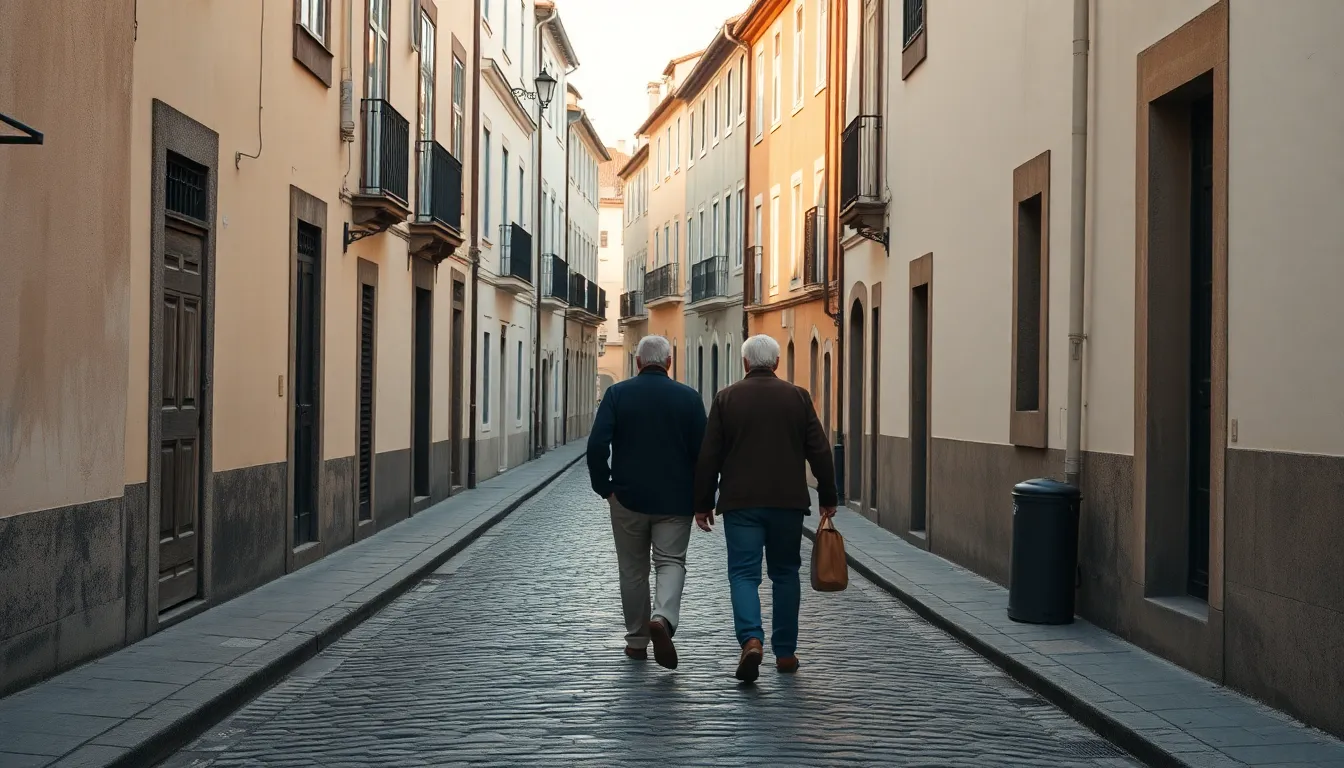
When a pastor or rabbi asks me whether Portugal is safe for their group, there is usually a quieter question underneath it. They are picturing a specific person. A 78-year-old member with a cane. A widow traveling alone for the first time since her husband passed. The board member who worries out loud at every meeting. They are not asking about crime statistics in the abstract. They are asking whether they can bring these particular people and bring them home well.
So let me answer the real question, honestly, in two parts: how safe Portugal is, and how easy it actually is to move a mixed-age group through it.
Is Portugal Safe? The Honest Answer Is Yes
I will not bury this. Portugal is one of the safer countries you could take a group to anywhere in the world. It consistently ranks near the top of global peace and safety indexes, usually in the top five. Violent crime is rare. The political situation is stable. For a faith group, it is about as low-risk a destination as exists in Europe.
That does not mean zero caution. Here is what actually matters on the ground.
Petty theft in the cities
The one real concern is pickpocketing in tourist-heavy areas of Lisbon and Porto, especially on the famous Tram 28 in Lisbon, in crowded plazas, and around train stations. This is opportunistic, not violent, and it is entirely preventable. Tell your group: bags worn across the body and zipped, wallets in front pockets, phones not left on cafe tables. A group that moves together and stays aware is a poor target. In four common-sense steps, you remove almost all of the risk.
The interior is quieter than your hometown
Once you leave the cities for Belmonte, Tomar, Castelo de Vide, and the interior heritage towns, the petty-theft concern nearly disappears. These are small, settled communities where doors stay unlocked. Your bigger logistical challenges in the interior have nothing to do with crime, as I will get to.
Faith-group safety specifically
Portugal has a long, layered religious history and a culture that is, in my experience, warm toward faith travelers. Christian groups visiting Fatima and Jewish groups visiting Belmonte are not unusual sights. You are not walking into tension. You are walking into a country that takes its own heritage seriously and tends to respect yours.
Is Portugal Easy? Mostly Yes, with Real Caveats
Safety is the easy part. “Easy” is where the honest briefing matters more, because Portugal has a few logistical realities that surprise first-time group leaders.
The interior roads are the real challenge
This is the thing I most want leaders to understand. Portugal’s most significant heritage sites sit in the interior, and getting there means narrow, winding mountain roads through regions like the Serra da Estrela. The drives take longer than a map app suggests, and the final stretches are not suited to drivers unfamiliar with European mountain roads. For a group, this is exactly why private coach transport with a driver who knows the route is standard, and not a luxury. I have written about this in more detail in what nobody tells you about heritage travel to Portugal, and it is worth your full attention before you plan an itinerary.
Terrain and mobility
Portugal is beautiful partly because it is hilly and old. Lisbon is built on seven hills. Interior towns are cobblestoned, with steep lanes and steps worn smooth over centuries. For an able group this is charming. For travelers with mobility limits, canes, or knee trouble, it requires real planning. The good news is that it is plannable: drop-off points close to sites, paced days, rest stops, and an itinerary built around what your slowest walker can manage rather than your fastest. Name your group’s mobility needs early so the route can be shaped around them.
Language and getting around
English is widely spoken in Lisbon, Porto, and at tourist sites, more so than in much of southern Europe. In the deep interior, less so, which is another reason a guide and coordinated transport make a real difference. Your group will not be fending for itself in a town where no kosher restaurant exists and the bus schedule does not serve visitors.
Health and Medical Logistics
For a congregation that skews older, this is the section that quietly matters most.
Portugal has good hospitals and pharmacies, and major cities have facilities that meet a high standard. Pharmacies, marked with a green cross, are common and staffed by knowledgeable pharmacists who can advise on minor issues. That said, plan as if you are responsible for the medical readiness of your group, because you are.
A few practical steps:
- Have every traveler bring medications in original labeled containers, with a few extra days’ supply and a written list of what they take.
- Collect emergency contacts and basic medical notes for each traveler before departure, held confidentially by you or a designated coordinator.
- Make travel insurance with medical coverage and repatriation non-negotiable for the group. For older members this is essential, not optional, and our guide to travel insurance for a Portugal heritage group explains what coverage actually matters.
- Know that the European emergency number is 112, and that your guide and coach driver are your first line in any incident.
None of this is alarming. It is simply the readiness a responsible leader carries, and once it is set up, you stop worrying about it.
What This Means for Your Planning
Put it together and the picture is this. Portugal is safe, genuinely so. It is easy in the cities and welcoming everywhere. The real work is logistical, not security: managing the interior roads, the terrain underfoot, and the medical readiness of an older group. Those are all solvable with planning and the right local support, which is exactly what coordinated group travel exists to provide.
If you want to see how the route is structured to keep a mixed-age group comfortable, our Portugal destination page lays it out, and our group heritage tours page explains how the logistics are handled for you. For the entry and document side of getting your group there, see our guide to entry and documents for a Portugal heritage trip.
FAQ: Safety and Logistics in Portugal
Is Portugal safe for tourists and faith groups?
Yes. Portugal ranks among the safest countries in the world, usually in the top five on global peace indexes. Violent crime is rare and the country is politically stable. The main practical concern is pickpocketing in crowded tourist areas of Lisbon and Porto, which is preventable with bags worn across the body, wallets in front pockets, and basic awareness in crowds.
Is Portugal easy to travel for older group members?
It is manageable with planning. The cities have hills and the interior towns have cobblestones and steps, which require pacing and thoughtful drop-off points for travelers with mobility limits. Private coach transport handles the long, winding interior drives that are not suited to unfamiliar drivers. Build the itinerary around your least mobile traveler and the trip works well for a mixed-age group.
What is the biggest logistical challenge in Portugal?
The interior roads. Portugal’s key heritage sites sit in the mountainous interior, reached by narrow, winding routes that take longer than a map suggests. For groups, private coach transport with a driver who knows the roads is standard. This is the single logistical reality most first-time leaders underestimate.
What medical preparation should a group leader do?
Have travelers carry medications in original labeled containers with extra supply and a written list. Collect confidential emergency contacts and medical notes before departure. Require travel insurance with medical and repatriation coverage for every member, especially older ones. Know that 112 is the European emergency number and that your guide and driver are your first responders on the ground.
Do I need to worry about language barriers?
Not much in Lisbon, Porto, or at tourist sites, where English is widely spoken. In the deep interior it is less common, which is one more reason a local guide and coordinated transport matter. With those in place, your group is never left navigating an unfamiliar town or a sparse bus schedule on its own.
If you want to talk through your group’s specific needs, including travelers you are personally worried about, contact us. That conversation is one we have often, and it is the one that puts leaders at ease.