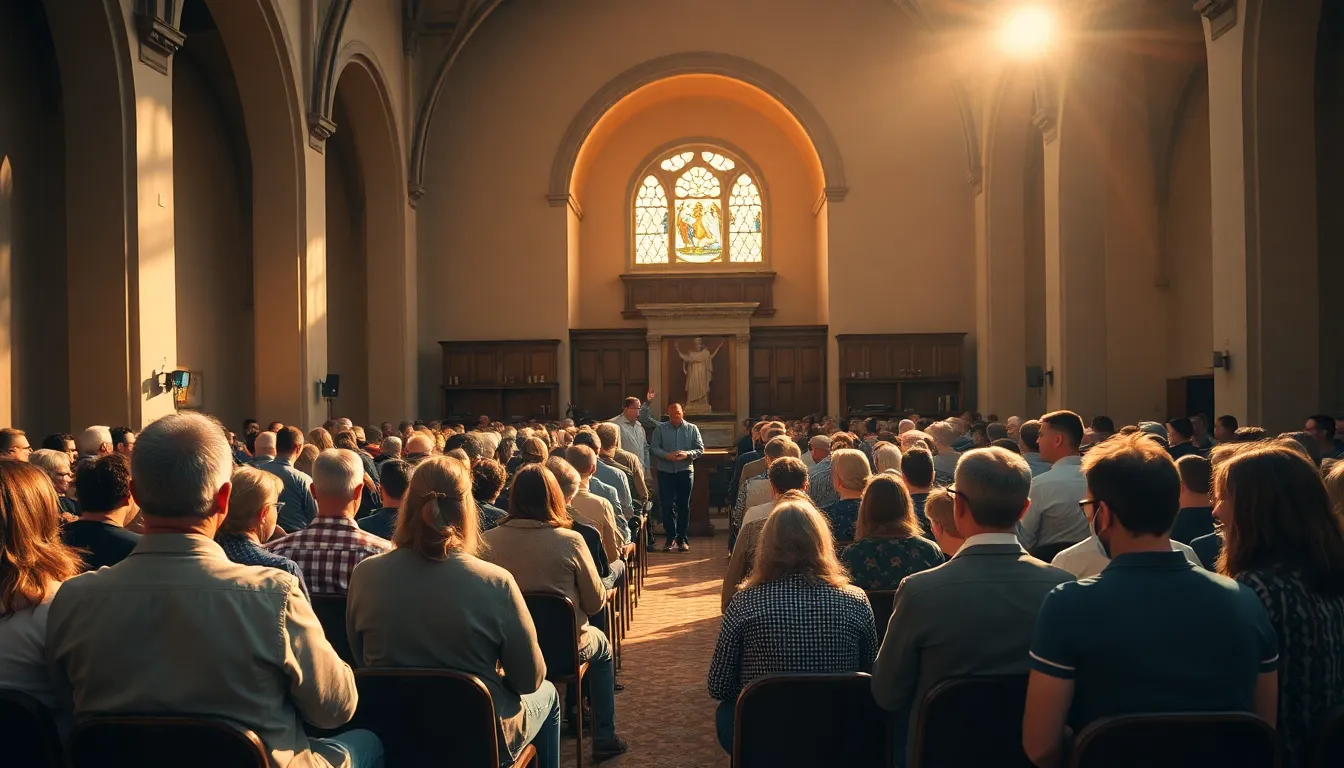
The trips that go well are not the ones with the best hotels or the smoothest logistics. They are the ones where the group arrived prepared. I have watched two groups stand in the same place, on the same day, with the same guide, and have completely different experiences, and the difference was almost always the months of preparation that happened before the plane left the ground.
Poland asks more of a group spiritually than most destinations. You are not preparing people to see beautiful things. You are preparing them to hold grief, to encounter a civilization and its destruction in the same week, and to carry both home. That preparation is your work as the leader, and it starts long before departure.
Here is how I help group leaders do it.
Why Preparation Is Not Optional for Poland
Most heritage destinations forgive a lack of preparation. You can show up to Rome or Athens cold and still have a meaningful trip. Poland is different. A group that arrives unprepared at Auschwitz can be genuinely overwhelmed in a way that closes them down rather than opening them up. Without context, the memorial sites become a wall of horror with no door in.
Preparation does not soften Poland. Nothing softens Poland, and it should not. What preparation does is give your people a framework strong enough to hold what they will feel. It turns a shock into an encounter. That is the entire goal.
Start With the Full Story, Not the Destruction
The single most important thing you can do in the months before departure is teach the civilization, not only the catastrophe.
Teach a Thousand Years of Jewish Life
Before your group ever hears the word Auschwitz from you, they should know that Jews lived in Poland for roughly a thousand years, that Poland was once the heartland of Jewish life in Europe, that towns like Krakow and Lublin were centers of learning, law, and culture. They should know that what was destroyed was not a faceless mass but a living world: its scholars, its trades, its arguments, its music, its ordinary streets.
When a group knows this before they travel, Auschwitz lands differently. They are not grieving an abstraction. They are grieving something specific that they had come to know. The pre-war story is what gives the loss its weight, and it is the easiest part to skip and the most costly to omit.
Then Place the Remembrance Within It
The remembrance dimension is not a separate subject bolted onto the trip. It is the second half of a single story. Once your group understands the world that existed, the destruction of that world becomes comprehensible as loss rather than as spectacle. I encourage leaders to teach the two together, always, so that no one in the group arrives carrying only horror with no context to steady it. The full framing of memorial-versus-heritage journeys is laid out in the main group tour guide for pastors and rabbis.
A Pre-Trip Study Arc That Works
I am often asked for a concrete plan. Here is a structure I have seen work across many groups. Adapt it to your community’s rhythm and theology.
Three to Four Months Out: Foundations
Begin with the world that was. Hold one or two sessions on the history of Jewish life in Poland: where communities lived, what they built, what daily life looked like. For Christian groups, this is also the moment to begin honestly engaging the history of Christian Europe in this story, the long context that the trip will raise. Keep these early sessions oriented toward life, not death. You are building the picture that the rest of the trip will deepen.
Two Months Out: The Sites and the Story
Now introduce the specific places your itinerary includes. Walk through what Kazimierz is, what the POLIN Museum holds, what Lublin was, what Auschwitz-Birkenau and Treblinka are. Give people a mental map. People who can picture where they are going arrive less disoriented. This is also when you begin, gently, to prepare them for the emotional register of the memorial sites.
Three to Four Weeks Out: Reflection and Readiness
The final sessions shift from information to interior preparation. This is where you have the honest conversation about what people may feel, and where you name the range of possible responses out loud. Some will weep. Some will go silent. Some will feel nothing and then feel guilty about it. Some will be angry. All of those are normal. Saying so in advance gives people permission to have whatever response they have, which is one of the most freeing things you can do for them.
Practices That Prepare the Heart, Not Just the Mind
Study prepares the mind. Your group also needs preparation that reaches deeper than information.
Build Shared Language Before You Go
Decide as a group, in advance, how you will mark certain moments. Will you say Kaddish at the memorial sites? Will you read names? Will you observe silence together at specific points? When a group has agreed on these practices beforehand, the moments on the ground carry far more weight, because no one is improvising and everyone is participating in something shared rather than standing alone in their own reaction.
Invite People to Bring Something
Some of the most meaningful preparation is personal. Invite members to bring a name, a photograph, a family story, or a question they are carrying. For members descended from Polish Jews, this can be the heart of the entire journey. Knowing who in your group carries a personal connection, and having a private conversation with each of them before departure, lets you support them well on the ground. Heritage Tours can often build a personal stop into the itinerary if a member’s family came from a specific town.
Make Space for the Skeptics and the Frightened
Not everyone arrives spiritually eager. Some come reluctant, some come frightened of how they will react, some come unsure they belong on a trip this heavy. Preparation should make room for all of them. Tell your group plainly that they do not need to feel any particular thing. They need to be present. That single sentence, repeated, releases an enormous amount of pressure.
Preparing Yourself, the Leader
Here is the part leaders forget. You cannot hold your group through Poland if you arrive depleted or unprepared yourself.
You will be managing everyone else’s grief while carrying your own. You will be the person people look to at the hardest moments. So prepare your own heart with the same care you give the group. Know what this trip stirs in you. Decide in advance who supports you, because you will need it. And give yourself permission to step back at moments and let the guide or a co-leader carry the group, so you are not running on empty when someone needs you most. There is more on the practical side of this in the piece on leading a group through Auschwitz with care.
What Heritage Tours Brings to Your Preparation
You are not doing this alone. Our itineraries are built with emotional pacing in mind, which is itself a form of preparation: we do not open with Auschwitz, we do not stack heavy memorial sites back to back without something restorative between them, and we build in reflection time so the group can absorb rather than absorb-and-flee. Our local educator-guides are not generic tour guides. They read a group, adjust their pace, and create the space your community needs. The structure of the trip is designed to meet a prepared group and carry them well. You can see how the group journey is built on our group heritage tours page, and read about the destination on the Poland destination page.
FAQ: Preparing a Group Spiritually for Poland
How far in advance should we start preparing the group?
Begin three to four months out with foundations on Jewish life in Poland, move to the specific sites around two months out, and shift to reflection and emotional readiness in the final three to four weeks. A longer runway lets people absorb the weight of the trip gradually rather than all at once, which is exactly what you want for a destination this demanding.
What should we study before a Poland heritage trip?
Start with the world that existed: a thousand years of Jewish life in Poland, the communities, the learning, the daily life. Then move to the specific places on your itinerary, from Kazimierz and the POLIN Museum to Auschwitz-Birkenau and Treblinka. Teach the destruction within the context of the life that preceded it, never as an isolated horror, so your people arrive grieving something they have come to know rather than an abstraction.
How do we prepare people emotionally for the memorial sites?
Name the range of responses out loud before departure. Tell your group that tears, silence, anger, and numbness are all normal, and that no one needs to feel any particular thing. Agree in advance on shared practices, such as saying Kaddish, reading names, or observing silence together, so the hardest moments are participated in rather than faced alone. This preparation does not soften Poland; it gives people a framework strong enough to hold it.
Should I prepare myself differently as the leader?
Yes. You will be holding everyone else’s grief while carrying your own, so prepare your own heart with the same care you give the group. Know what the trip stirs in you, line up your own support in advance, and give yourself permission to step back at moments and let a guide or co-leader carry the group. A depleted leader cannot support a group through Poland.
What if some group members are reluctant or frightened?
Make room for them. Tell your group plainly that they do not need to feel a certain way, only to be present, and repeat it. Reluctance and fear are normal responses to a heavy trip, and naming them as acceptable releases pressure. Often the members most anxious beforehand have the most significant experiences, precisely because they came honestly.
Your Next Step
If you want help building a preparation arc that fits your community, that is a conversation I genuinely enjoy. Every congregation comes with its own theology, its own rhythm, and its own people. Tell me about yours through our contact page, and we will shape a preparation plan that gets your group to Poland ready, not raw.