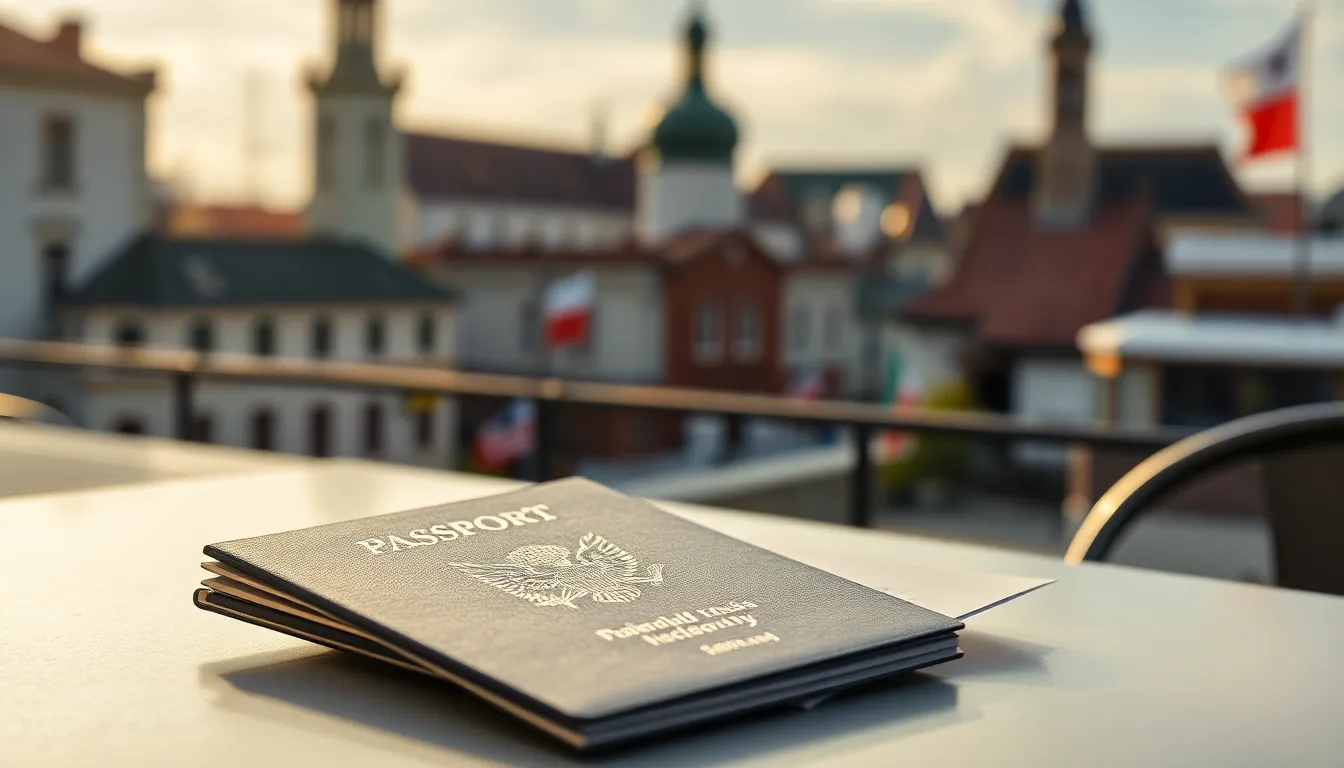
Entry logistics are the least romantic part of planning a heritage trip and one of the few parts where a small oversight can cost someone their seat on the plane. I have had exactly one traveler in all my years nearly miss a trip because of a passport problem, and that was one too many. So I treat this part with care, and I want you to as well.
The good news for most of my groups: travel to Poland from the US and Canada is straightforward. No visa for a heritage trip. But “no visa” does not mean “no requirements,” and a group leader who understands the actual rules can spare their people a great deal of last-minute stress. Here is exactly what you and your travelers need.
The Short Answer for US and Canadian Citizens
Poland is part of the Schengen Area, the group of European countries with a shared external border and no internal passport checks. Citizens of the United States and Canada do not need a visa to enter Poland for tourism or a heritage trip. You may stay up to 90 days within any 180-day period. A standard heritage tour of one or two weeks falls comfortably inside that limit.
So for the typical traveler in your congregation, there is no visa application, no embassy appointment, no paperwork beyond a valid passport. That is the headline. Now the details that actually matter.
The Passport Rules That Trip People Up
This is where group leaders need to be vigilant, because passport problems are the real risk, not visas.
The Validity Rule
Schengen countries require your passport to be valid for at least three months beyond your planned date of departure from the Schengen Area. In practice, I tell every traveler to make sure their passport is valid for at least six months beyond the trip. It is a simple buffer that removes all doubt and covers any itinerary changes.
The Blank Pages Rule
You need at least two blank pages in your passport for entry and exit stamps. Travelers with well-used passports sometimes discover too late that they are out of room. Have everyone check this when they check the expiration date.
Renew Early
Passport renewals take time, and processing windows fluctuate. The moment a traveler joins your trip, have them check their passport. If it expires within six months of your return date, or is running low on pages, they should renew immediately. A renewal that takes weeks is a non-event eight months out and a crisis three weeks out.
ETIAS: The New Requirement to Watch
Europe is rolling out a system called ETIAS, the European Travel Information and Authorisation System. This is not a visa. It is an online travel authorization, similar to the US ESTA, that visa-exempt visitors, including US and Canadian citizens, will need before entering Schengen countries like Poland.
The rollout timeline has shifted more than once, so the single most important thing a group leader can do is verify the current status well before your trip. If ETIAS is in effect for your travel dates, every traveler will need to apply online in advance, pay a small fee, and receive authorization linked to their passport. It is quick and inexpensive, but it must be done before departure, and it is tied to the specific passport, which is another reason to settle passport renewals early.
Make this a checklist item for the whole group, and verify the official requirement for your exact travel window rather than relying on what was true last year.
Group Entry: What Actually Happens at the Airport
Even though there is no group visa, there are a few group realities worth knowing.
Most heritage groups fly into Warsaw or Krakow, often connecting through another European hub. Here is a detail many leaders miss: you clear Schengen passport control at your first point of entry into the Schengen Area, which may be your connection city rather than Poland. If your group connects through Frankfurt or Amsterdam, that is where passports are checked, and your domestic-style flight onward to Poland has no further passport control.
At passport control, travelers are sometimes asked the purpose and length of their visit. The answer is simple and true: tourism and heritage travel, returning on a specific date. I advise travelers to have their return flight details and hotel information accessible, just in case, though it is rarely requested. A printed itinerary in each traveler’s bag covers this completely. Our Poland heritage travel tips cover the on-the-ground logistics once you are through.
Non-US and Non-Canadian Travelers in Your Group
Heritage groups sometimes include members holding other passports, and the rules can differ significantly. A traveler on a passport from a country that is not visa-exempt for Schengen may need to apply for a Schengen visa in advance, which is a real process with appointments and documentation.
If anyone in your group holds a passport other than US or Canadian, flag it the moment they sign up. Do not assume their entry is as simple as everyone else’s. Have them verify their specific requirement early, because a Schengen visa application can take weeks and requires planning that a last-minute discovery cannot accommodate.
A Simple Pre-Trip Entry Checklist for Your Group
Give every traveler this list the moment they commit:
- Passport valid at least six months beyond the return date. Renew now if not.
- At least two blank passport pages.
- ETIAS authorization if it is in effect for your travel dates. Verify the current requirement.
- Schengen visa only if the traveler’s passport is not visa-exempt. Flag non-US, non-Canadian passports immediately.
- A printed itinerary and return flight details in each traveler’s carry-on.
- Travel insurance, which I recommend for every heritage traveler regardless of entry rules.
Run this checklist twice: once when people sign up, and again about 90 days out. The second pass catches the passport that quietly slipped under six months while everyone was focused on fundraising and packing.
Why the Group Leader Owns This
You might wonder why entry logistics fall to you rather than to each traveler. The truth is that individuals forget, and a forgotten passport detail does not just hurt that person, it disrupts the whole group at the airport. A group leader who runs the checklist twice and personally confirms the non-standard passports has done more to protect the trip than any insurance policy. It is unglamorous work, and it is exactly the kind of thing that separates a smooth departure from a tearful one at the gate.
With Heritage Tours, the group leader travels free with 15 or more participants, and we help you run this entry checklist so nothing slips. The rules are simple once you know them, and our job is to make sure every traveler knows them in time.
FAQ: Poland Entry Requirements
Do US citizens need a visa to visit Poland?
No. Poland is part of the Schengen Area, and US citizens do not need a visa for tourism or heritage travel for stays up to 90 days within any 180-day period. A typical one or two week heritage trip falls well inside that limit. You will, however, need a valid passport and possibly an ETIAS authorization depending on your travel dates.
What are the passport requirements for entering Poland?
Your passport must be valid for at least three months beyond your departure from the Schengen Area, though I recommend at least six months of validity beyond your return date as a safe buffer. You also need at least two blank pages for stamps. Travelers should check both the expiration date and page count as soon as they join the trip, since renewals take time.
What is ETIAS and do I need it for Poland?
ETIAS is the European Travel Information and Authorisation System, an online authorization, not a visa, that visa-exempt visitors like US and Canadian citizens will need before entering Schengen countries. It requires an online application, a small fee, and is linked to your passport. The rollout timeline has shifted, so verify the current requirement for your specific travel window before the trip.
Where does my group clear passport control?
At your first point of entry into the Schengen Area, which may be a connecting European city rather than Poland itself. If your group connects through a hub like Frankfurt or Amsterdam, passports are checked there, and the onward flight to Poland has no further passport control. Travelers should keep return flight details and a printed itinerary accessible.
What about group members who hold non-US or non-Canadian passports?
Their requirements can differ significantly, and some may need to apply for a Schengen visa in advance, which involves appointments and documentation that can take weeks. Flag any non-US, non-Canadian passport the moment that traveler signs up, and have them verify their specific entry requirement early rather than discovering a visa need close to departure.
Entry logistics are not the exciting part of a heritage journey, but getting them right is what lets the exciting parts happen. I am glad to walk your group through the checklist and double-check the passports that need a second look. See our Poland destination page and our group heritage tours, and when you are ready to plan the trip in full, reach out to us.