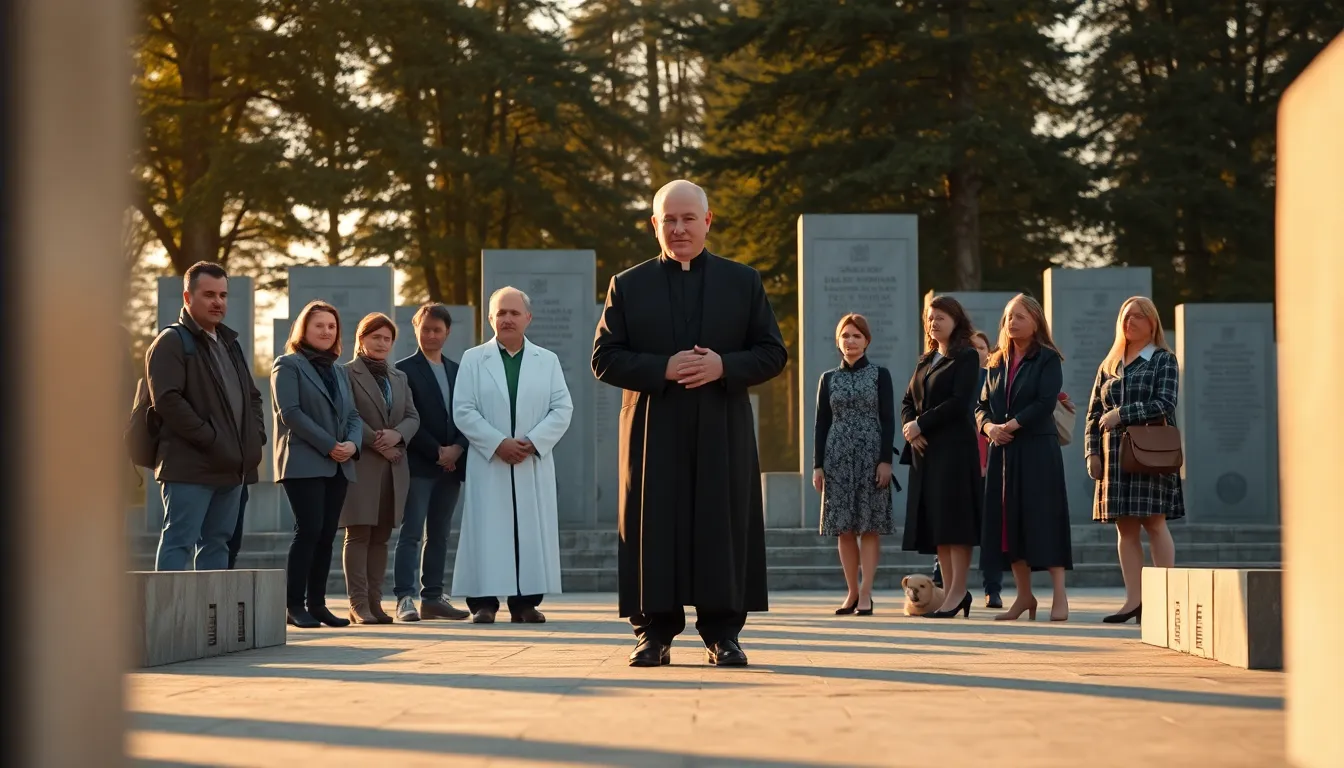
A pastor told me last year that he had led mission trips to four continents but had never been more nervous than the week before his first Poland trip. “I know how to lead worship in a village in Kenya,” he said. “I don’t know how to lead my people through Auschwitz.”
That honesty is exactly the right starting point. Poland is unlike anywhere else a pastor takes a congregation. The Holy Land asks you to bring scripture alive. Europe asks you to connect your people to church history. Poland asks something harder. It asks you to lead your congregation in bearing witness to what happened to another people, in a place where that happened, and to do it with dignity rather than easy answers.
I have helped group leaders plan heritage journeys for over forty years, and I have walked many first-time pastors through this exact trip. If this is your first time, here is the playbook I wish every pastor had before they started.
Understand What Poland Asks of a Christian Group
Before anything practical, you need to sit with what this trip is asking of your community specifically.
Your group is not visiting its own ancestral grief, the way a Jewish congregation does. Your group is bearing witness to the suffering of another people, in a country with a deep Christian history. That raises questions a mission trip never raises. Questions about complicity, about silence, about what faith demands in the face of evil. These are uncomfortable questions, and they are the right ones.
Your job as the pastor is not to answer them for your people. It is to help them sit inside those questions without rushing toward comfort. Some pastors frame the journey as an act of solidarity. Others frame it as moral witness. The framing should reflect your community’s theology and temperament. But whatever frame you choose, be honest with your people about the weight they are taking on.
The Free Leader Program and Your First Budget
For a first-time leader, the budget conversation can feel like the biggest obstacle. Let me make it simpler.
When your group reaches 15 participants, you travel free. Airfare, hotel, ground transportation, the meals included in the itinerary, and entry to every site. That is the standard Heritage Tours policy on every group journey.
For a pastor leading a first trip, this matters in a practical way. You are already taking on the work of recruiting, preparing, and leading. You should not also be paying for your seat or asking the church to defend that line in the budget. Once you hit 15 participants, your travel is fully covered. Not a rebate. Not a discount. Covered. That makes the conversation with your finance team or elders far easier, and it lets you focus on filling the group with the right people. If that part feels daunting, here is how to recruit and fill your group without burning yourself out.
Build the Full Story, Not Only the Sites of Death
Here is the most important planning decision, and as a first-timer you may be tempted to get it wrong.
The instinct is to build the trip around Auschwitz, because Auschwitz is what your people have heard of. Resist that instinct. A journey that visits only the sites of destruction can leave your community with grief and no framework to hold it. They saw the horror, but they never saw the world that was lost.
Why You Add Kazimierz, POLIN, and Pre-War Jewish Life
Build in Krakow’s Kazimierz quarter, where Jewish life thrived for centuries and still continues today. Build in the POLIN Museum, which tells a thousand years of Jewish civilization in Poland. When your congregation has walked those streets and seen that history, the visit to Auschwitz lands differently. They understand that the people who were murdered had names, trades, families, prayers. The loss becomes specific rather than abstract.
This is the difference between a trip your people endure and a trip that teaches them something they carry for the rest of their lives. Heritage Tours can help you build this fuller route, and I would strongly encourage you to choose it for a first journey.
Prepare Your Congregation Before You Leave
The preparation you do at home determines what kind of leader you can be on the ground. Start months early.
Teach Toward the Trip
In sermons and study sessions, teach the history of Jewish life in Poland, not only its destruction. Read survivor testimony together. If your tradition has prayers or readings suited to lament and remembrance, choose them in advance so the words are ready when you need them at a memorial site.
Name the Range of Responses
Tell your people honestly what Auschwitz will ask of them. Some will weep. Some will go silent. Some will feel numb and then feel guilty about feeling numb. There is no correct response, and saying so before the trip frees your people to be present rather than performing a feeling they think they should have.
Prepare Them to Witness With Humility
This is specific to Christian groups. Coach your people, gently, that they are guests in someone else’s grief. The posture is listening, not explaining. The posture is presence, not commentary. A first-time group sometimes wants to fill silence with words of comfort or theology. At Birkenau, the most faithful thing your people can do is be quiet and present. Prepare them for that.
Leading on the Ground for the First Time
On the ground, you do not have to manage logistics, which is a relief for any first-timer. Your group is met at the airport and transferred to the hotel. Every touring day begins and ends with a bus pickup at the hotel. You are never navigating a foreign country with thirty people behind you. Our local guides are educators who know the sites and the history and know how to work with Christian heritage groups.
That leaves you free to do the pastoral work. Here is what I tell first-time pastors to focus on.
Pace Your Own Heart
You will be moved, and you should let yourself be. But you are also leading. Find a rhythm where you can feel the weight of a site and still gather your people afterward. The itinerary helps, because we build it with an emotional arc in mind and never stack two heavy memorial sites back to back without something restorative between them. Use that pacing to manage your own heart, not only the group’s.
Lead the Daily Gathering
At the end of each demanding day, gather your community. A short reflection, a reading, a prayer, a moment to let people speak. This is the connective tissue of the trip. It is where your people process what they saw together rather than carrying it alone. As a first-timer, this is the single most valuable habit you can build.
Watch the People Who Need More Care
Every group includes people who will need extra support. Older members who remember the war. Younger members at their first memorial site. People carrying their own grief. Know who they are before you leave, seat them near you, and check on them at meals. This care is the heart of pastoral leadership, and Poland makes it visible.
After You Bring Them Home
The trip does not end at the airport. Poland stays with people for weeks and months. It surfaces in conversations and in quiet moments long after you return.
Plan for it. Schedule a gathering two or three weeks after you come home and let people share what the journey meant. Some congregations carry it into a sermon series, a study group, or community action against indifference and hatred. The form matters less than the intention.
Do not call it closure. This is not a trip that closes anything. It opens something in your people, and your leadership after you return is part of the journey, not an afterthought.
FAQ: How a Pastor Leads a First Trip to Poland
What does a pastor need to know before leading a first Poland trip?
Understand that Poland asks your Christian group to bear witness to another people’s suffering, which raises hard questions about silence and complicity. Your role is to help your people sit inside those questions rather than rush to easy answers. Plan the fuller heritage route rather than an Auschwitz-only trip, prepare your congregation for months, and lean on Heritage Tours to handle every logistic so you can focus on pastoral leadership.
Should a first-time group visit only Auschwitz or include pre-war Jewish life?
Include the fuller story. Build in Kazimierz and the POLIN Museum so your people first see the civilization that was destroyed. When they then visit Auschwitz, the loss becomes specific rather than abstract. A trip built only around the sites of death can leave your community with grief and no framework to hold it.
How do I prepare a Christian congregation to witness with dignity?
Coach your people that they are guests in someone else’s grief, so the posture is listening rather than explaining and presence rather than commentary. At a memorial site, the most faithful thing they can do is be quiet and present. Teach toward the trip for months beforehand, read testimony together, and name the full range of emotional responses people may have.
Does the free leader program apply to pastors?
Yes. Once your group reaches 15 participants, your travel is fully covered: airfare, hotel, ground transportation, the meals included in the itinerary, and all site entries. It is not a discount or a rebate. Your seat is part of the structure, which makes the budget conversation with your elders or finance team much simpler.
What should a first-time pastor focus on while on the ground?
Pace your own heart so you can feel a site and still gather your people afterward. Lead a short daily gathering at the end of each demanding day, which is where your community processes together. Watch the members who need extra care, seat them near you, and check on them often. Heritage Tours handles all the logistics, which frees you to do this pastoral work.
If you are a pastor preparing for your first heritage journey to Poland, I would be glad to walk you through it. Tell me about your congregation, what you hope they take home, and what makes you nervous. First-time leaders are some of my favorite people to work with, because the care you bring is exactly what this trip needs.
You can see how we structure these journeys at our Poland heritage destination page or learn how the leader experience works on our group heritage tours page. If you want the wider picture first, read the complete guide for group leaders. When you are ready, contact us.