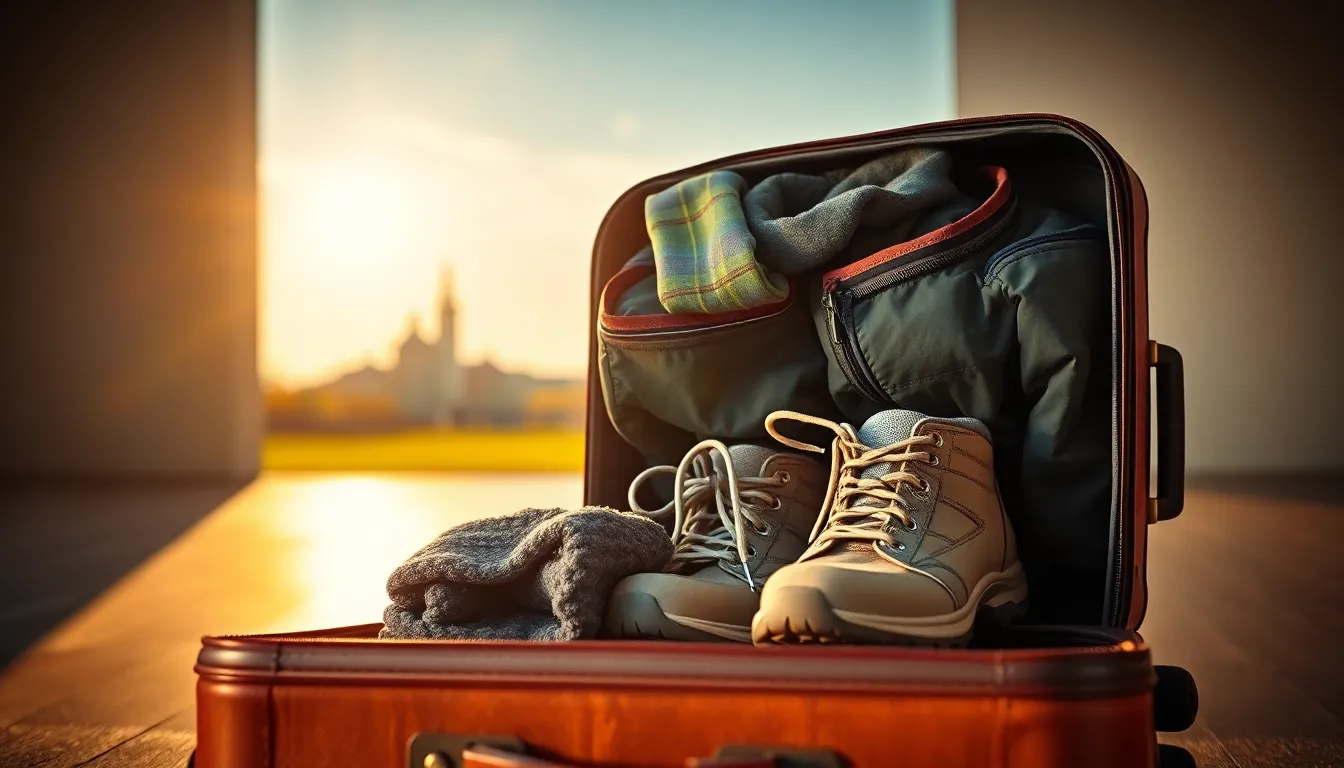
I send every group a packing list, and every year someone arrives anyway in the wrong shoes, or without a warm layer, or in clothing that does not fit the weight of the sites we are visiting. Packing for a Poland heritage trip is not like packing for a vacation. You are dressing for long days on your feet, for changeable weather, and for places that ask a certain dignity of how you present yourself.
So let me give you the real list, the one shaped by decades of watching what works and what leaves people cold, sore, or underdressed at a memorial. Share it with your group early, because the right packing starts with decisions made at home, not regrets made in Krakow.
Dress for the Weight of the Sites First
Before weather, before comfort, understand this: you are visiting Auschwitz-Birkenau, Jewish cemeteries, active synagogues, and memorial grounds. How you dress at these places matters. This is not about formality. It is about respect.
The standard I give every group is modest, muted, and covered. No beachwear, no clothing with slogans or loud graphics, nothing you would not wear to a funeral. Shoulders and knees covered, especially at synagogues and religious sites. At Auschwitz, visitors in beachwear or offensive clothing have been turned away, so this is practical as well as respectful.
Pack at least one set of clothing you would consider appropriate for a solemn occasion. There are moments on a heritage trip, a memorial ceremony, a Friday night service, a cemetery visit for a family grave, when your group will be grateful they brought something dignified.
Head Coverings: Bring Them, and Bring Spares
At synagogues and Jewish cemeteries, men are expected to wear a head covering. Kippot are sometimes available at entrances, but never count on it. Every man should pack his own, and as a group leader, carry a few spares in your bag for travelers who forget or for non-Jewish members who did not know to bring one.
Women visiting active synagogues should pack a scarf or shawl for head and shoulder covering where it is expected. A simple wrap that folds small handles this and doubles as a warm layer on a cold morning.
Layers, Because Poland’s Weather Will Not Cooperate
Poland’s weather is changeable in every season, and you will spend long stretches outdoors, much of it at Birkenau, which is vast, exposed, and offers no shelter from wind or rain. Layering is not optional. It is the whole strategy.
Spring and Fall (the Most Common Trip Seasons)
Daytime can be mild, mornings and evenings cold, and rain arrives without warning. Pack a base layer, a warm mid-layer like a fleece or sweater, and a waterproof outer shell. A light hat and gloves are worth carrying even in spring, because a windy morning at Birkenau is colder than the forecast suggests.
Summer
Warmer, but still bring a sweater and a rain layer. Summer afternoons can be hot, so breathable fabrics help, but the modesty standard still applies at the sites, so pack lightweight clothing that still covers shoulders and knees.
Winter
Properly cold, often below freezing, sometimes with snow. Pack a heavy coat, thermal base layers, a warm hat, insulated gloves, and a scarf. The exposed memorial grounds are brutal in winter wind, and a group that is cold cannot be present. Warmth is what lets your people focus on where they are standing.
Footwear Is the Decision That Makes or Breaks the Trip
If you take one thing from this list, take this: bring broken-in, comfortable, waterproof walking shoes. Not new shoes. Not fashion shoes. A heritage trip is miles of walking, much of it on uneven ground, gravel paths, cobblestones, and the rough terrain of Birkenau and older cemeteries.
I have watched travelers in beautiful, unsuitable shoes end up in pain by day two, and pain steals presence. A blistered traveler is thinking about their feet, not the place they came to witness. Pack one solid pair of walking shoes you have already worn enough to trust, and a second pair as backup. Waterproof matters, because wet feet on a cold day at Birkenau ruin a morning.
Our broader Poland heritage travel tips cover the cemetery and memorial protocols that go hand in hand with the right footwear.
Site-Access Essentials
A few practical items make the heavy days run smoothly.
Bag Size Matters at Auschwitz
Large bags and backpacks over a certain size are not permitted inside Auschwitz I. Pack a small day bag, the kind that holds water, a layer, and the essentials, and leave the big bag on the coach. Tell your group this before the visit, not at the entrance, so no one is caught out.
A Small Daypack
For long site days, a compact daypack carries a water bottle, a rain layer, snacks for the road, tissues, and any medication. Keep it small enough to satisfy site rules.
Memorial Items
If your group plans memorial ceremonies, pack what you need: memorial candles, a printed reading or kaddish text, small stones if your tradition places them on graves though you will also find them on the ground. As a leader, carrying these means the moment is ready when you arrive, rather than improvised.
The Practical Odds and Ends
- A reusable water bottle. Long days outdoors require it.
- Universal power adapter. Poland uses the European two-pin plug, type C and E.
- Personal medications in carry-on, with enough for the full trip plus a buffer, in original packaging.
- Hand sanitizer and tissues, useful at sites with limited facilities.
- A small umbrella, though a waterproof shell is better at windy Birkenau where umbrellas turn inside out.
- A printed itinerary and emergency contacts, in case a phone dies.
- Cash in zloty for small purchases, tips, and sites that do not take cards.
What to Tell Your Group About How Much to Bring
Pack lighter than you think. A heritage trip involves hotel changes and coach travel, and a traveler wrestling an oversized suitcase up hotel stairs is a tired traveler. One checked bag, one carry-on, and the right small daypack covers a one or two week trip easily when the clothing is chosen for layering rather than for variety.
I tell groups to pack a capsule: a few mix-and-match modest pieces, the layers above, and the one dignified outfit. You will wear the same trusted walking shoes most days and be glad you did.
Why the Packing List Is Really About Presence
Everything on this list serves one goal. When your feet are comfortable, your body is warm, your dress fits the place, and your bag meets the site rules, you disappear from your own awareness, and you can be fully present with where you are standing. Poland asks your group to witness difficult history. Good packing removes the small physical distractions so nothing stands between your people and that encounter.
With Heritage Tours, the group leader travels free with 15 or more participants, and we send every group a tailored packing list for their exact season and itinerary so no one arrives unprepared. The list is small. The difference it makes is not.
FAQ: Packing for Poland
What should I wear to Auschwitz and Jewish heritage sites in Poland?
Modest, muted, covered clothing, nothing you would not wear to a funeral. Shoulders and knees covered, no beachwear, and no slogans or loud graphics. Visitors in inappropriate clothing have been turned away from Auschwitz, so this is practical as well as respectful. Pack at least one dignified outfit for memorial ceremonies, services, and cemetery visits.
What shoes should I pack for a Poland heritage tour?
Broken-in, comfortable, waterproof walking shoes, never new ones. A heritage trip means miles of walking on uneven ground, cobblestones, gravel, and the rough terrain of Birkenau and old cemeteries. Bring one trusted pair plus a backup. Comfortable, dry feet are what let your group stay present rather than distracted by pain or blisters.
How should I pack for Poland’s weather?
Layer for every season, because the weather changes quickly and much of the trip is spent outdoors with no shelter, especially at the exposed Birkenau grounds. Bring a base layer, a warm mid-layer, and a waterproof shell. Add a hat and gloves in spring and fall, breathable but covering fabrics in summer, and heavy winter gear including thermals if you travel in the cold months.
What bag rules apply at Auschwitz?
Large bags and backpacks over a certain size are not permitted inside Auschwitz I. Pack a small day bag for water, a layer, and essentials, and leave larger bags on the coach. Tell your group this before the visit rather than at the entrance, so no one has to scramble at the gate.
Do I need head coverings for the synagogues and cemeteries?
Yes. Men are expected to wear a head covering at synagogues and Jewish cemeteries, so each man should pack his own, and group leaders should carry spares for those who forget or did not know. Women visiting active synagogues should bring a scarf or shawl for head and shoulder covering where it is expected.
If you want a packing list built for your group’s exact season and itinerary, that is something I prepare for every trip so no one arrives cold, sore, or underdressed at a memorial. Good packing is quiet, and it lets the journey speak. See our Poland destination page and our group heritage tours, and when you are ready to plan the details, reach out to us.