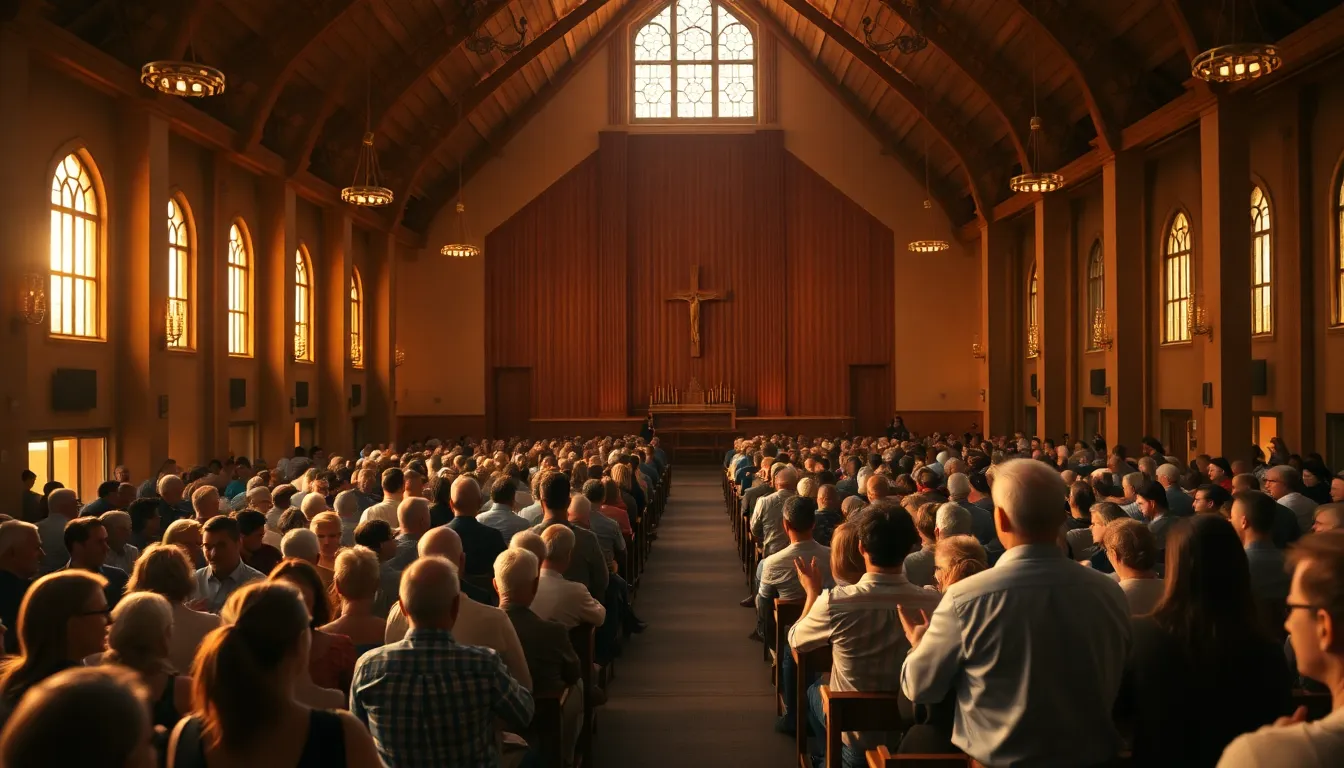
Here is the thing no one tells a pastor or rabbi planning a first Poland trip: the hardest part is not the itinerary. We handle the itinerary. The hardest part is the moment you announce the price and watch a few faces in the room do quiet math and decide they cannot come.
I have walked dozens of clergy through this, and I can tell you the trips that fill are not the ones with the cheapest price. They are the ones where the leader treated fundraising as part of the ministry, not as an awkward errand tacked onto the end. So let me give you the playbook I wish every group leader had on day one.
Start With the Real Number, Not a Hopeful One
Before you raise a dollar, you need an honest all-in per-person cost. Not a guess. A real figure that includes hotels, transport, guiding, Auschwitz-Birkenau admission, meals, and a small cushion. If you announce a soft number and it climbs later, you lose trust, and trust is the currency a congregation trip actually runs on. Our breakdown of what a Poland heritage tour costs is the place to build that number first.
Once you have it, you fundraise against it. Every dollar you raise lowers the per-person price, and a lower per-person price brings more people, which lowers the price again. That loop is the whole game.
Build a 12-Month Fundraising Timeline
Most congregation trips that struggle are not under-resourced. They are under-timed. People decided to fundraise three months out, and three months is not enough room for the slow donors, the matching gift, the bake sale, the quiet conversation with the family that can give more. Give yourself a year.
Months 12 to 9: Foundation
Announce the trip and the price from the pulpit, then again in print, then again in person. Open a dedicated trip fund, separate from the general budget, so every donor can see exactly where the money goes. Recruit a small committee of three or four people who are not you, because a trip carried by one exhausted clergy member rarely fills.
Months 9 to 6: The Big Asks
This is when you go after the larger gifts. One or two generous families, a foundation grant, a board allocation. Larger gifts are easier to land early, when the trip feels visionary, than late, when it feels like you are scrambling to cover a gap.
Months 6 to 3: Community Fundraisers
Now you run the events that build energy as much as money: the heritage dinner, the silent auction, the dessert evening with a guest speaker who has been to Poland. These do double duty. They raise funds and they raise the temperature, which is exactly what you need as deposits come due.
Months 3 to 1: Close the Gap
By now you know who is going and what the shortfall is. This is the season for matching challenges, final personal asks, and the scholarship distributions that get a few specific people onto the bus.
The Tactics That Actually Fill the Bus
Tiered Sponsorship
Not everyone in your congregation can travel, but many want to be part of it. Give them a way. A “send a teacher” tier where a donor covers part of an educator’s cost. A “memory wall” tier where donors are named in the trip booklet. People give more readily when they can see exactly who or what their gift touches.
Matching Gifts
A single matching challenge changes everything. When one family says they will match the next 10,000 USD raised, the whole congregation suddenly understands that their 100 USD becomes 200. I have watched a matching announcement double a month’s giving. Find your match early and deploy it when momentum dips.
The Heritage Dinner
A single well-run dinner can fund a meaningful share of the trip. You sell tickets above cost, you add a short program about why this journey matters, and you make the ask in the room while people are moved. Pair it with a returning traveler’s story if you have one, or with a short explanation of what your group will witness, drawn from our Poland heritage travel tips.
Employer Matching and Grants
Many of your congregants work for companies that match charitable gifts and never think to use it. One bulletin reminder unlocks money that already exists. For educators specifically, some foundations fund Holocaust-education travel, and a teacher on your trip may qualify.
Individual Payment Plans
Sometimes the barrier is not the total. It is the lump sum. Let people pay over 8 or 10 months. A trip that feels impossible at one payment feels manageable at monthly installments smaller than a streaming-and-coffee budget. This single move puts more people on the bus than almost anything else.
Scholarships: Decide Who You Are Carrying
Every congregation trip should carry a few people who could not otherwise come. Often these are the people whose presence matters most: a young educator, a survivor’s grandchild, a member who has given decades of service and never had means to travel.
Build a scholarship fund deliberately. Set aside a portion of every fundraiser for it. Create a quiet, dignified application so people can ask without shame. And tell your donors that part of their giving sends someone who otherwise stays home, because that story moves people more than any line item ever will.
Use the Group Leader Benefit in Your Math
Here is a practical lever many leaders miss. With Heritage Tours, the group leader travels free with 15 or more participants. That means filling the group does not just lower everyone’s cost, it covers your own seat. Build that into your committee’s thinking from the start. Every additional traveler you recruit moves you closer to a viable trip and a covered leader.
Communicate Like It Is Ministry, Because It Is
The trips that fund well are the ones where the leader talks about the journey constantly and naturally, not just when money is the subject. Share why Poland. Share what your people will stand in front of. Share a photo of a small-town synagogue. When the trip lives in the congregation’s imagination for a year, the giving follows the imagination.
And be transparent to a fault. Show the budget. Show the fund balance. Show where every fundraiser’s proceeds went. A congregation that can see the books gives more, not less.
A Word on Pace
Do not exhaust your people. Three fundraisers spread across a year, each with a clear purpose, beat ten small ones that drain everyone’s energy and goodwill. Heritage travel fundraising is a marathon with a few sprints, the big-ask season and the close-the-gap season, not a year of constant asking. Protect your congregation’s enthusiasm. You will need it intact when the bus pulls away.
FAQ: Fundraising a Poland Heritage Trip
How long does it take to fundraise a congregation trip to Poland?
Plan on a full 12 months. Trips that struggle usually started fundraising too late, around three months out, which leaves no room for big gifts, matching challenges, and community events to build. A year gives you a foundation phase, a big-ask phase, a community-fundraiser phase, and a close-the-gap phase.
What is the single most effective fundraising tactic?
A matching gift challenge. When one family or donor agrees to match the next several thousand dollars raised, every small gift in the congregation effectively doubles, and giving accelerates. Pair it with monthly payment plans, which remove the lump-sum barrier and put more people on the bus than almost anything else.
Should we offer scholarships, and how do we fund them?
Yes. Set aside a portion of every fundraiser for a scholarship fund and create a quiet, dignified way for members to apply. Carrying a few people who could not otherwise come, often a young educator or a survivor’s descendant, is both the right thing to do and one of the most compelling stories you can tell your donors.
How does the group leader benefit affect our budget?
With Heritage Tours, the group leader travels free with 15 or more participants. Building toward that threshold covers your own seat and lowers the per-person cost for everyone, so recruiting more travelers does double work. Make that part of your committee’s planning from the start.
How do we keep the congregation from getting fundraising fatigue?
Run a few well-spaced, purposeful fundraisers rather than many small ones. Three events across a year, each with a clear goal, raise more and drain less goodwill than constant small asks. Talk about the journey itself throughout the year, not only when money is the topic, so enthusiasm stays high.
If you want help turning your trip cost into a fundraising plan your congregation can actually pull off, that is a conversation I genuinely enjoy. I have seen what works and what quietly fails, and I am happy to share it. Take a look at our group heritage tours and our Poland destination page, and when you are ready to start building toward a full bus, reach out to us.