
A pastor called me about four months after his group got home from a trip through Israel. Not to book another one, not yet. Just to talk. He told me a woman in his congregation, seventy-four years old, had stood at the Sea of Galilee and cried for the first time since her husband’s funeral two years earlier. He said the trip had done more for his church’s spiritual life than the previous three years of sermons combined. That is not a line from a brochure. That is a phone call I actually got, and it is the kind of thing I hear more often than you would think.
So when a group leader asks me for reviews, I understand what they are really asking. They are not asking whether the buses were on time, though that matters too. They are asking: will this actually change my people? Will it be worth the money, the time away, the effort of getting forty families to commit? I cannot hand you a wall of five-star quotes and call that an answer. What I can do is tell you honestly what leaders report back to us, again and again, once the trip is over and the dust has settled.
What Leaders Tell Us Again and Again
The Sites Land Differently When You Are Standing on Them
Almost every leader says some version of the same thing: they had read the same passages, taught the same lessons, for years. Then they stood in the place itself, and the text moved from something they knew to something they had touched. A rabbi walking a group through the Jewish quarter of a European city, or a pastor reading from Acts at the ruins of a church founded by the apostle Paul, will often say the sermon writes itself differently after that. This is the single most repeated piece of feedback we get, in almost every language and every faith tradition we serve.
The Group Bonds in a Way the Sanctuary Cannot Produce
Leaders consistently report that a congregation returns closer than it left. Ten days of shared meals, shared bus rides, shared moments of awe, does something a weekly service cannot replicate. People who barely spoke before the trip come home as friends. More than one leader has told us that committee tensions that had simmered for years quietly dissolved somewhere on the road. We cannot promise that outcome, but we hear it often enough that it is worth naming.
The Practical Worries Turn Out to Be the Least of It
Before departure, leaders worry about logistics: will the hotels be decent, will the food work for older travelers, will anyone get sick, will the bus be comfortable. After the trip, those worries are almost never what they mention. What sticks with them is a single moment: a prayer at a specific wall, a hymn sung in a specific courtyard, a guide’s explanation that reframed a familiar story. The operational work is supposed to disappear into the background so the meaningful part can happen. When leaders tell us the trip “just worked,” that is usually what they mean.
The Free Leader Seat Changes Who Gets to Go
We hear this from smaller congregations especially. A leader who assumed a heritage trip was financially out of reach for them personally discovers that with fifteen or more participants, the group leader travels free. More than one pastor has told us that fact alone was what let them say yes to leading a trip at all, since the personal cost had been the real barrier, not the idea of the trip itself.
Older Travelers Do Better Than Leaders Expect
A recurring worry, especially from first-time leaders, is whether members in their seventies and eighties can handle the walking and the pace. What we hear back afterward is usually relief and surprise: with the right pacing, the right guide, and the right itinerary, older travelers keep up and often get the most out of the experience, precisely because they came with the deepest sense of anticipation. Leaders who were nervous about this beforehand almost always tell us it was a non-issue once we built the itinerary around their group’s actual composition.
What Honest Feedback Also Includes
I want to be straight with you here, the same way I am straight with every group leader who calls me. Not every day of a heritage trip is a spiritual high point. There are travel days. There are moments of heat, or fatigue, or a hotel room that is smaller than someone hoped. Leaders who have led before will tell you this themselves: the good trips are not the ones with zero friction, they are the ones where the friction is small and the meaningful moments are large. That is the honest version of a review, and it is the only version I trust.
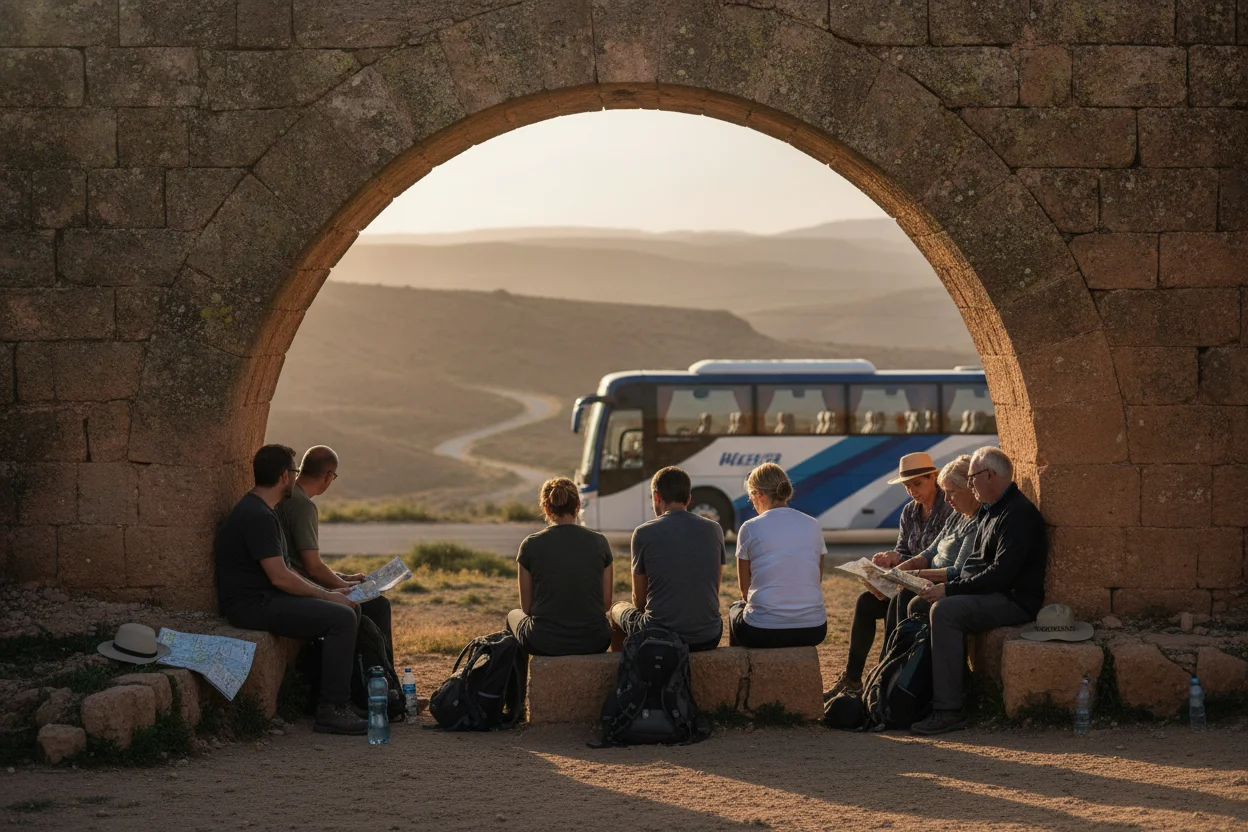
If you want to see the range of what a heritage journey actually covers, from first principles to logistics, our guide on what a heritage journey actually is is a good starting point, and our tours page shows the destinations we build these trips around.
Why We Do Not Publish a Wall of Star Ratings
You will not find a page on our site with fifty five-star quotes and stock photos of smiling travelers. That is a deliberate choice. Anyone can display ratings. What we would rather do is tell you honestly, as I have here, what leaders report back most often, and let you talk directly to a leader who has traveled with us if you want a firsthand account before committing your congregation. If that is useful to you, ask us when you contact us, and we will connect you with a group leader who has been where you are about to go.
FAQ: Heritage Tours Reviews
Do you have reviews from past groups?
We do not publish a wall of star ratings, because that format rarely tells a group leader what they actually need to know. What we can do is share the patterns we hear again and again from leaders after a trip, and connect you directly with a past group leader for an honest conversation if that helps your decision.
What do group leaders say most often after a trip?
The most common feedback is that familiar scripture or history “landed differently” once the group stood in the place itself, and that the congregation came home closer than it left. Leaders also frequently mention that logistics worries beforehand turned out to matter far less than the moments of meaning on the ground.
Do older travelers actually enjoy heritage trips?
Yes, consistently. Leaders who worry beforehand about members in their seventies and eighties almost always report afterward that, with the right pacing and itinerary, older travelers kept up well and often engaged the most deeply with the experience.
Is every day of a heritage trip a spiritual highlight?
No, and any leader who tells you otherwise is not being fully honest. There are travel days and ordinary logistics mixed in with the meaningful moments. The measure of a good trip is not the absence of friction, it is a well-built itinerary where the meaningful moments outweigh it.
How can I talk to a group that has actually traveled with Heritage Tours?
Ask us directly. We can connect you with a past group leader in a similar role to yours, whether that is a pastor, a rabbi, or an educator, so you can hear an honest firsthand account before you commit your congregation.
If you want to hear directly from a leader who has led a group with us before you decide, I am glad to make that introduction. Real conversations tell you more than any review page could.
Contact us and we will connect you with someone who has already done what you are considering.