When a group leader asks me the best time to bring a congregation through Scotland, Wales, and Northern Ireland, the real question is almost always spring or summer. Those are the two windows that make sense for these nations, and they are genuinely different trips. I have led groups in both, and I want to be straight with you about the trade, because the brochures make every season look golden and the islands do not work that way.
So let me walk you through it the way I would on a planning call, season against season, with the practical realities of these northern nations laid on top, because the weather and the daylight and the ferries change the calculation in ways they would not in a warmer destination.
What These Two Seasons Actually Offer
Before the details, understand what you are choosing between.
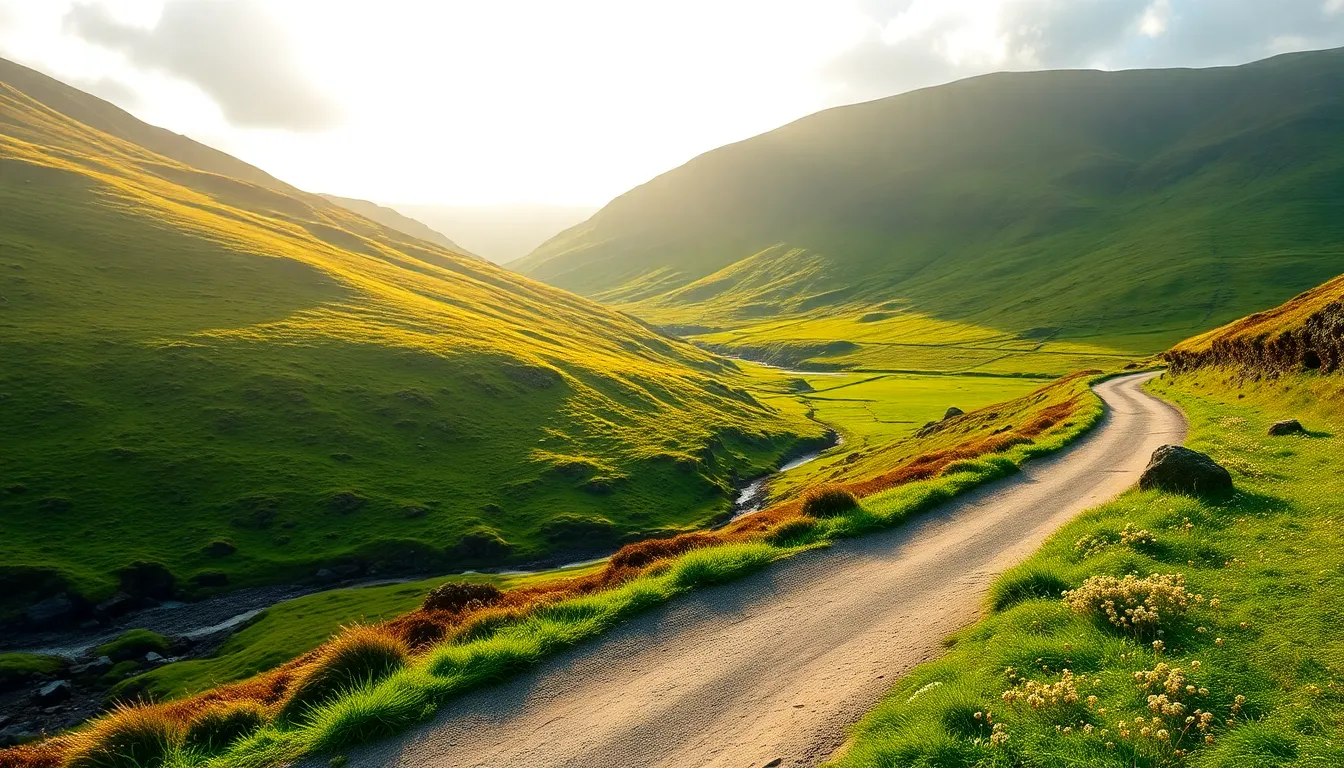
Spring in the UK, roughly April through May, gives you a country waking up. The valleys green, the days lengthen fast, and the crowds have not yet arrived. The weather is genuinely changeable, but the light is soft and the sites are quiet. For a heritage trip built around reflection, spring has a stillness to it.
Summer, June through August, gives you the long days and the warmest, driest stretch the islands offer. The famously long northern daylight means you can do more in a day, the ferry timetables run at full frequency, and the chance of a washed-out site visit drops. But it is also peak tourist season, and the popular sites fill.
Neither is a bad choice. Spring trades some weather risk for quiet and resonance. Summer trades crowds for reliability and daylight. Knowing which trade fits your group settles most of the decision.
The Case for Spring
For many faith groups, spring is the more meaningful window, and here is why.
The sites are quiet. Iona in May is a different place than Iona in July. Fewer visitors means your group can pray in the abbey without a crowd, linger at a chapel without a queue, and feel the solitude the Celtic saints actually knew. For a reflective heritage trip, that quiet is worth a great deal.
The light is soft and the land is fresh. Spring in the Highlands and the Welsh valleys has a tenderness to it, new green, long gentle evenings, a country coming back to life. It sets a contemplative tone that summer’s brighter, busier mood does not.
It often aligns with the faith calendar. For Christian groups, traveling around Easter and through the spring weeks gives the journey a liturgical frame. The season of resurrection laid over a pilgrimage through ancient Christian sites adds a resonance that is hard to manufacture later in the year.
The honest tradeoff is weather. Spring in these nations is changeable, and you should expect some rain and some cool days. The islands can be windy, and a ferry crossing might shift with the weather. It is entirely workable with a flexible itinerary, but it asks for margin and the right clothing.
The Case for Summer
Summer makes a strong, practical case, and I never talk a group out of it lightly.
The daylight is extraordinary. This is the thing visitors underestimate. In June and July, the far north stays light until very late, sometimes past 10pm in Scotland. That long daylight lets your group fit more into a day without rushing, take a late evening at a site, and travel the Highland roads in good light. For a packed itinerary, summer daylight is a real gift.
The weather is the most reliable the islands offer. Summer is the warmest and driest stretch, which matters most for the island crossings. A ferry to Iona is far more likely to run smoothly in July than in April. For a group nervous about weather disrupting a key day, summer lowers that risk.
It fits the school calendar. For congregations traveling with families, teachers, or younger members, the summer break is often the only realistic window. That practical reality makes summer the right answer for plenty of groups regardless of the other factors.
The tradeoff is crowds. Summer is peak season, the popular sites are busy, and hotels in the smaller towns fill early. None of this ruins the trip, but it means booking well ahead and accepting that Iona or Lindisfarne will be shared with more visitors than in spring.
How to Choose for Your Group
When a leader is torn, I ask three questions, and the answer usually appears.
What kind of trip is your congregation after?
If the goal is reflection, solitude, and a contemplative pilgrimage, spring’s quiet serves it. If the goal is a fuller, more active itinerary with reliable weather and long days, summer serves it. The character of the trip points to the season.
How much does weather risk worry you?
If a disrupted ferry or a cool, wet day would genuinely undo your group, summer’s reliability is reassuring. If your group is hardy and a soft rainy morning on Iona sounds atmospheric rather than ruinous, spring is freeing. Be honest about your travelers’ tolerance.
What does your calendar actually allow?
For groups tied to the school year or wanting an Easter-season frame, the calendar often decides the season before anything else does. Count your real constraints first. Our guide on choosing one nation or three can help once you know your window, since the season and the scope shape each other.
The Detail That Matters Most: The Crossings
Whatever season you choose, the island crossings deserve special attention, because this is where weather bites hardest in these nations. Reaching Iona means coordinating ferries across the Hebrides, and reaching Lindisfarne means timing the tidal causeway. Spring carries more chance of a weather-shifted crossing; summer is more reliable but busier. Either way, the key is an itinerary with margin built around the crossings rather than racing a fixed slot. Our comparison of Iona and Lindisfarne goes deeper on how those crossings work, and why timing flexibility is worth so much in any season.
The Economics of Timing
Here is where group leaders are sometimes surprised. Spring shoulder-season pricing on hotels can run lower than peak summer, and availability is easier in April than in July. Summer’s reliability comes at a higher rate and asks for earlier booking. The seasons differ on cost, but not dramatically, and the bigger budget lever is the group leader benefit. With Heritage Tours, the group leader travels free when 15 or more participants join the trip, covering flights, hotels, ground transport, ferry crossings, meals, and site admissions, in any season. So the timing decision can stay focused on the experience rather than the spreadsheet. For more on what shapes the price, see our guide on a private group tour versus a shared departure.
FAQ: Spring vs Summer in the UK
Is spring or summer better for a UK heritage tour?
Both work well, and the right one depends on your group. Spring, April through May, offers quiet sites, soft light, lower crowds, and often an Easter-season frame, at the cost of changeable weather. Summer, June through August, offers long daylight, the most reliable weather for island crossings, and a fit with the school calendar, at the cost of peak crowds and higher prices.
What is the weather really like in the UK in spring?
Changeable. Spring in Scotland, Wales, and Northern Ireland brings a mix of soft sunshine, cool days, and rain, often in the same week. The land is green and fresh, and the light is gentle, but you should pack for wet and cool conditions and build flexibility into the island crossings, which can shift with the weather more than in summer.
Are the sites very crowded in summer?
The popular sites are busier in summer than in spring. Iona, Lindisfarne, and the well-known cathedrals see more visitors in July than in May. It does not ruin the experience, but it means booking hotels in the smaller towns well ahead and accepting that key sites will be shared with more people. A good guide and a well-timed itinerary keep it manageable.
Which season is more reliable for reaching the islands?
Summer. The ferries to Iona and the tidal crossing to Lindisfarne are far less likely to be disrupted by weather in June through August than in spring. If a key island day is central to your trip and you want to minimize the chance of weather interfering, summer is the safer window, though spring crossings work well with margin built into the plan.
Does the group leader travel free in either season?
Yes. With Heritage Tours, the group leader travels free when the group includes 15 or more participants, in spring, summer, or any season. It covers the full trip: flights, hotels, ground transport, ferry crossings, meals, and site admissions.
If you are weighing spring against summer for your congregation’s UK heritage tour, I would be glad to help you match the season to your group’s character, weather tolerance, and calendar. The timing question is usually the first one I have with a group leader, and it shapes everything that follows.
Explore our United Kingdom destination page, see how we run our group heritage tours, or start the conversation here.