I can usually tell within the first hour of a trip which congregants packed well and which ones packed for the weather they hoped for instead of the weather they will get. The Celtic nations punish optimism. A group member who shows up with one light jacket and canvas sneakers is going to spend a chilly, soggy afternoon at Iona wishing they had read a packing list. So I write the list, and I write it from experience.
Here is what I tell every group to pack for Scotland, Wales, and Northern Ireland. None of it is exotic, and you do not need to spend a fortune. You just need the right things, chosen for the actual conditions and the actual places you will stand. Let me walk your people through it.
The Golden Rule: Layers and Waterproofs, Every Single Day
Before any specific item, understand the principle. The weather across these three nations changes within the hour, often within the same morning. You can start in bright sun at an abbey and finish in horizontal rain. This is normal. It is not a disaster, and it is not a reason to dread the trip. But it means you dress in layers you can add and remove, and you carry waterproofs every day regardless of the forecast.
Summer highs in Scotland and Northern Ireland typically sit around 15 to 19 degrees Celsius, which is 59 to 66 Fahrenheit. The Welsh valleys can feel cooler than the number suggests on a cloudy day. Spring and autumn run colder, often 8 to 13 Celsius, 46 to 55 Fahrenheit. Even in July, a warm mid-layer earns its place in the suitcase.
The Clothing Core
Here is the layering system I want every traveler to build around.
The Base and Mid Layers
Pack moisture-wicking base layers rather than cotton, which stays damp and cold once it gets wet. Over that, a warm mid-layer: a fleece or a wool sweater. Even summer groups use these in the mornings and on the islands. Bring two so one can dry while you wear the other.
The Outer Layer (Non-Negotiable)
A genuinely waterproof, packable jacket with a hood. Not water-resistant. Waterproof. This is the single most important item on the entire list, and the one people most often skimp on. A breathable rain shell that folds small enough to live in a day bag means your group is never caught out. I would rather a congregant forget half their wardrobe than forget this one piece.
Trousers and Layers Below
Quick-drying trousers beat jeans, which take forever to dry once soaked. Pack a couple of pairs. For colder seasons, add thermal leggings or long underwear for the early mornings and exposed coastal sites.
Footwear: The Item That Matters Most
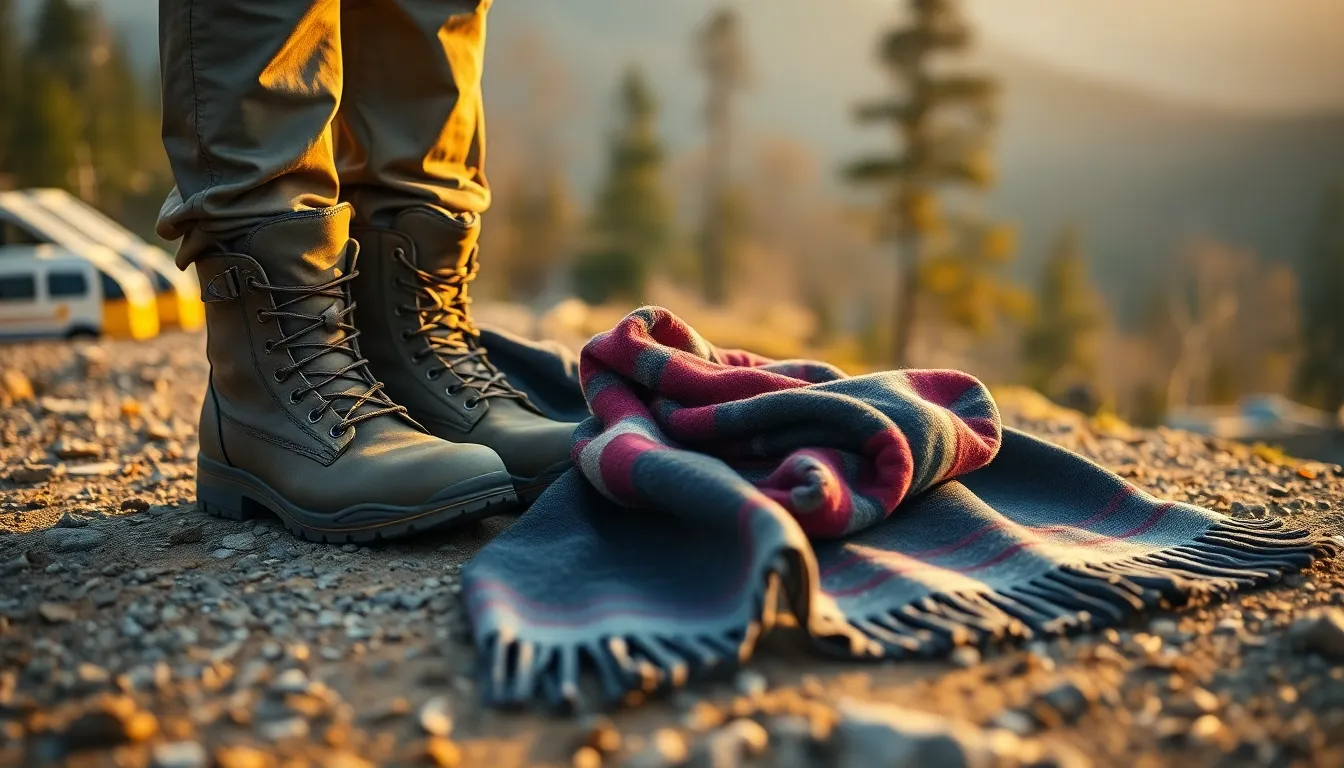
I am going to be direct, because foot trouble ruins more days than weather does. You will be walking on cobblestones, abbey ruins, muddy churchyards, uneven coastal paths, and the occasional steep climb. Canvas sneakers will not survive this, and neither will your congregant’s mood when their feet are wet and sore by mid-morning.
Every traveler needs waterproof walking shoes with real grip, broken in well before the trip. Not new out of the box, which is a recipe for blisters. A second pair of comfortable shoes for evenings and lighter days is worth the suitcase space. Good wool socks, several pairs, keep feet warm even when conditions get damp. This combination prevents the single most common minor injury I see on heritage tours: the slip on wet stone.
Modest and Respectful Church Wear
This deserves its own section because it matters spiritually as much as practically. Across this trip your group will enter cathedrals, ancient chapels, abbeys, and active places of worship. Some are working churches with services. The standard of dress is respectful and modest, and getting it right is part of honoring the sites your community came to see.
For everyone, that means clothing that covers shoulders and knees in active religious sites. A scarf or shawl is the most useful single item here. It packs flat, adds a warm layer, and lets a traveler cover shoulders or head instantly when a site calls for it. For groups attending a Sunday service in a traditional Hebridean or Welsh chapel, I advise dressing a step more formally than you might for sightseeing. You can be modest and weather-ready at the same time. The two are not in tension.
The Day Bag and Site-Access Essentials
What your travelers carry each day matters as much as what is in the suitcase. A small, comfortable daypack should hold:
- The packable waterproof jacket, always
- A reusable water bottle
- A small amount of cash for honesty boxes at remote chapels and donation plates
- A phone and a portable charger, since coverage drops on the islands and chargers are not always near
- Any daily medication, never left on the coach
- A compact umbrella, though in real Celtic wind a hooded jacket beats an umbrella most days
A few site-access notes worth flagging to your group. Some abbey ruins and coastal sites have uneven, slippery ground where grip and a free hand matter, which is another reason to favor a daypack over a shoulder bag. A few active sites ask visitors to remove hats. And good walking poles are genuinely useful for older congregants on the rougher trails like the Iona pilgrimage walk.
The Electronics and Practical Kit
Two small things people always forget. First, all three nations use the UK three-pin Type G socket, the same across the whole of Britain, so one type of adapter covers the entire trip. Bring two, because someone always forgets theirs and charging cameras each night matters when you are documenting a once-in-a-lifetime journey. Second, pack any prescription medication in carry-on, in original labeled containers, with a copy of the prescription for anything significant.
For how packing fits into the broader picture, our heritage travel tips for the UK covers weather, pace, and connectivity in more depth, and our guide to entry and travel documents handles the paperwork side of preparation. You can also see how we structure the journey on our group heritage tours page and the United Kingdom destination overview.
A Word on Suitcase Discipline
One last thing from years of watching groups haul luggage on and off coaches and across ferry crossings. Pack lighter than you think you need to. The layering system above means a smaller wardrobe goes further, because you re-wear and combine pieces rather than carrying a fresh outfit per day. A single checked bag and a daypack is plenty for a twelve-day trip. Your back, and the coach’s luggage hold, will thank you, and your older travelers especially will move through ferries and hotel stairs far more comfortably.
FAQ: Packing for a UK Heritage Tour
What is the most important thing to pack?
A genuinely waterproof, packable jacket with a hood, paired with broken-in waterproof walking shoes with real grip. The weather changes within the hour across all three nations, and the terrain includes cobblestones, ruins, and muddy paths. Those two items prevent the most common discomforts and minor injuries on a heritage tour, and they are the pieces people most often try to skimp on.
How should travelers dress for visiting churches and chapels?
Respectfully and modestly, covering shoulders and knees in active religious sites. A scarf or shawl is the most useful single item, since it packs flat, adds warmth, and lets a traveler cover up instantly when a site calls for it. For a Sunday service in a traditional Hebridean or Welsh chapel, dress a step more formally than for ordinary sightseeing.
Do I need a special plug adapter for Scotland, Wales, and Northern Ireland?
No. All three use the same UK three-pin Type G socket, identical across the whole of Britain, so one type of adapter covers your entire trip. Bring two, because someone in the group always forgets theirs, and charging phones and cameras each night matters when you are documenting the journey.
What should each traveler carry in a daypack?
The waterproof jacket at all times, a water bottle, a portable charger, a little cash for honesty boxes and donations, and any daily medication, which should never be left on the coach. A compact umbrella helps in lighter rain, though a hooded jacket beats it in real Celtic wind. Favor a daypack over a shoulder bag so hands stay free on uneven ground.
How much should we pack for a twelve-day trip?
Less than you think. The layering system means a smaller wardrobe goes much further, because pieces re-combine instead of needing a fresh outfit each day. A single checked bag plus a daypack is plenty. Lighter luggage moves far more easily through ferries, coaches, and hotel stairs, which matters especially for older travelers.
Packing well for these three nations is not about buying expensive gear. It is about choosing the right things for the real weather and the real places your group will stand. Get it right and the weather becomes part of the character of the trip rather than the thing everyone complains about.
Contact us and we will send your group a tailored packing list built around your exact itinerary and season.