Once a group commits to Turkey, the next real decision is when. And in Turkey, the answer narrows fast. Summer is too hot for comfortable site-walking and winter is too cold and wet across much of the country. That leaves two windows that genuinely work for a heritage group: spring and fall. I have led trips in both, and people always want to know which is better. The truth is that both are good, and the choice between them is less about weather, which is similar, and more about crowds, light, and what your particular congregation needs from the trip. Let me put them side by side the way I think about it.
For most groups, spring runs roughly April through early June, and fall runs September through October. Those are the windows. Here is how they actually compare on the ground.
What Spring Is Like in Turkey
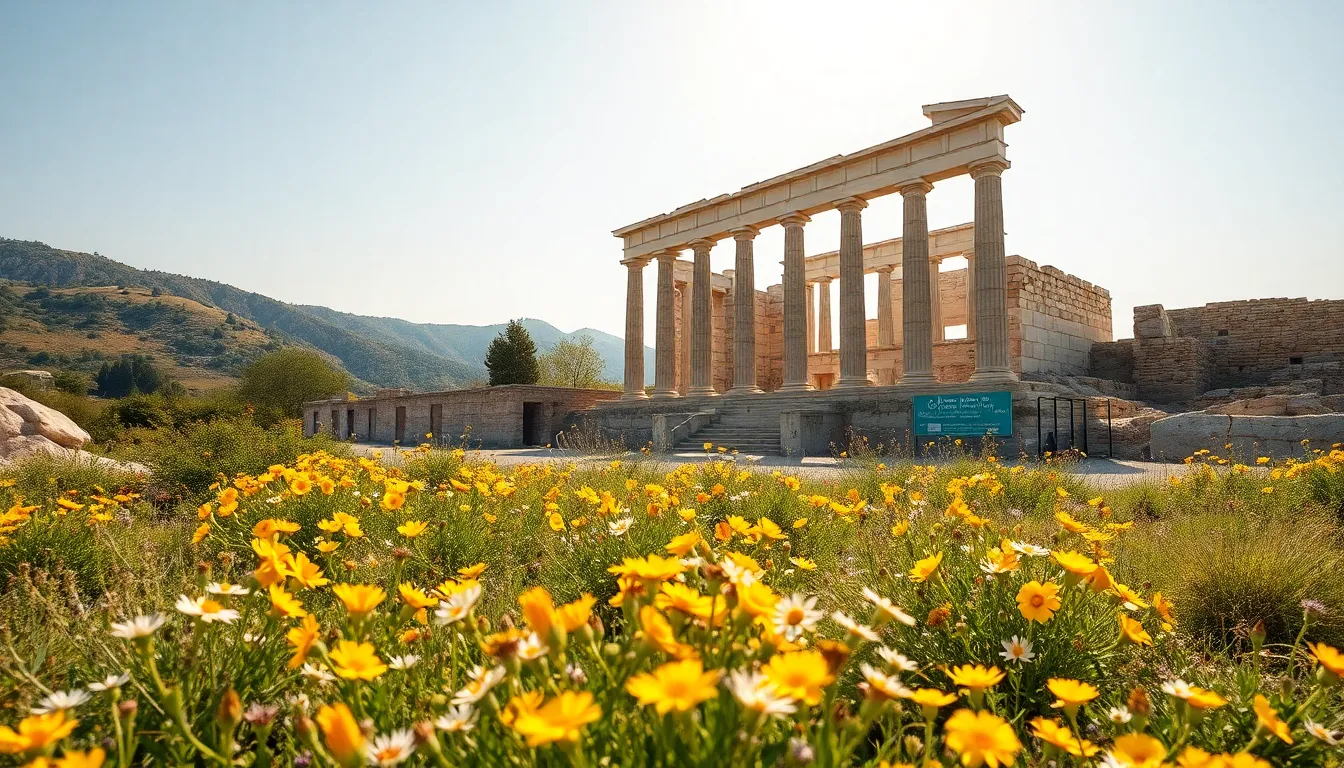
Spring is the season everything wakes up. The countryside around Ephesus and the seven churches turns green, wildflowers come up between the ruins, and the air has a freshness that makes walking the sites a pleasure. Temperatures in April and May are comfortable, warm enough for short sleeves by midday but rarely oppressive.
What spring gives a heritage group is mood. There is something fitting about walking sites tied to resurrection and new life when the land itself is renewing. For Christian groups especially, an Easter-season or post-Easter trip carries a resonance that is hard to manufacture. The light is soft and the photographs are lovely.
The honest trade-off with spring is two things. Early spring can still bring rain, especially in March and early April, so the weather is slightly less predictable, and Cappadocia in particular sits at altitude and stays cool into the mornings of April. And the later you go toward the holidays, the more crowds build, because spring is popular with every kind of traveler, not just faith groups. I once had a group reach Ephesus on a glorious May morning only to share the marble street with several cruise-ship tours arriving at once, and the moment we had planned to read together had to wait.
What Fall Is Like in Turkey
Fall is the season that settles down. After the brutal summer heat breaks, September and October bring warm, stable, dry days that are close to ideal for site-walking. The weather in fall is arguably the most reliable of the year, which matters when you are moving a group across regions on a schedule.
What fall gives a group is calm. The peak summer crowds have thinned, the heat is gone, and the sites feel less pressured. For a group that includes older members, fall’s steady warmth without the spring rain risk is genuinely easier to plan around. You spend less time worrying about weather contingencies.
The trade-off with fall is the landscape. The countryside is drier and browner after the long summer, so you lose the green freshness that makes spring photogenic. And early fall, especially September, can still carry real heat in the Aegean and the south, so the very start of the window can feel like late summer rather than autumn. If your group has members who struggle in the heat, aim for October rather than September and you will feel the difference.
Crowds: The Real Difference
If weather is mostly a wash between the two, crowds are where they actually diverge, and this matters more for a faith group than people assume.
Spring, especially around Easter and into May, is the busier of the two windows. The major sites like Ephesus and Hagia Sophia draw heavy traffic, which means more jostling for space and harder conditions for the quiet, reflective moments your group came for. A devotional at a crowded site is not the same as a devotional at a calm one.
Fall, particularly later in October, tends to be quieter at the headline sites. For a group that wants room to gather, read scripture, and reflect without a crowd pressing in, fall often delivers a more contemplative experience. This is the single factor that tips many of my faith groups toward fall, and it is the same logic we apply to private travel in our guide to private vs group heritage tours in Turkey.
That said, a well-planned private group can work around crowds in either season, arriving at major sites early before the day-trippers and the cruise buses, which softens the crowd difference considerably. This is one of the quiet advantages of traveling as a private group rather than a fixed-schedule shared tour. You control your arrival time, and at a site like Ephesus, being there at opening rather than midday changes the whole experience.
Daylight, Pacing, and the Calendar
A few practical factors beyond weather and crowds.
Daylight runs longer through late spring, which gives you more usable hours per day for sightseeing. By late October, days are noticeably shorter, so a fall itinerary needs slightly tighter scheduling to fit everything into the light.
The religious calendar also shapes the choice. Spring aligns with Easter and Passover, which can carry powerful meaning for a trip but also means higher demand and prices around those dates. Fall has fewer calendar pressures, which often makes it easier and slightly cheaper to book a group well.
For groups thinking about pairing Turkey with another country, both seasons work across the region, so your seasonal logic for Turkey usually holds for a combined trip too. We cover that combination in our guide to Turkey versus Greece for a first heritage journey.
How to Decide for Your Group
It comes down to what your congregation values most.
If you want freshness, green landscapes, and the resurrection-season resonance, and you can handle slightly less predictable weather and bigger crowds, spring is your window. Aim for late April or May to dodge the worst of the early rain.
If you want the most reliable weather, thinner crowds, and a more contemplative experience at the sites, and you do not mind a drier landscape, fall is your window. Aim for late September into October.
For most faith groups specifically, I lean slightly toward fall, because the calm at the sites protects the quiet moments that make a heritage trip what it is. But a spring trip planned with early-morning site visits is wonderful, and if Easter meaning matters to your community, spring wins on resonance alone.
FAQ: Spring vs Fall for a Turkey Heritage Tour
What is the best time of year for a Turkey heritage tour?
Spring, roughly April through early June, and fall, September through October, are the two best windows. Summer is too hot for comfortable site-walking and winter is too cold and wet across much of the country. Both spring and fall offer good weather for walking the sites.
Is spring or fall less crowded in Turkey?
Fall, especially later in October, tends to be quieter at major sites like Ephesus and Hagia Sophia. Spring, particularly around Easter and into May, is busier. For faith groups wanting calm, reflective moments at the sites, fall often delivers a more contemplative experience.
Which season has better weather?
The weather is similar in quality, but fall is more predictable. Spring can bring rain in March and early April, while fall, after the summer heat breaks, offers warm, stable, dry days. Spring makes up for it with green landscapes and wildflowers among the ruins.
Is spring good for a Christian heritage trip specifically?
Yes. A spring trip around or after Easter carries a natural resonance, walking sites tied to resurrection and renewal while the land itself is coming back to life. The trade-off is higher demand and bigger crowds around the holiday dates.
Does the group leader travel free in either season?
Yes. With fifteen or more participants, the group leader’s flights, hotels, meals, and transfers are covered on every Heritage Tours Turkey itinerary, in spring or fall.
If you are choosing a season for your community’s Turkey trip, I am glad to help you match it to your group and the meaning you want the trip to carry. You can see how we plan these journeys on our Turkey heritage page or our group heritage tours page.
Contact us whenever you are ready to start planning.