I once had a congregation member, a retired schoolteacher in her late sixties, who very nearly stayed home because she had worked herself into a knot about getting sick abroad. She had read too many alarming forums. By the time we talked, she was convinced Turkey required a stack of exotic vaccines and that she would spend the trip ill. None of it was true. She came, she was fine, and at Ephesus she told me it was the best decision she had made in years. I think about her whenever a leader asks me about health prep, because the real answer is calmer and more practical than the internet makes it sound.
I have led faith groups to Turkey for many years, and health questions come up in nearly every planning call. This is a guide to preparing a congregation sensibly: what to actually do, what not to lose sleep over, and how we handle the small things that come up on the road. I am a tour leader, not a doctor, so please treat this as practical experience rather than medical advice, and send your people to their own physician or a travel clinic for anything specific to them.
Start With a Doctor Visit, Not a Web Search
The single most useful step for any traveler is a conversation with their own doctor or a travel clinic, ideally four to six weeks before departure. That timing matters, because some vaccines need a little while to take full effect, and because it gives time to sort out medication refills and any questions.
This is especially true for older travelers and anyone managing a chronic condition, which describes a good share of most congregations. A doctor who knows the person’s history can give advice that no general article, including this one, can match. I make this the first thing I say to leaders: get your people to book that appointment early, and make it a normal part of the trip prep rather than an afterthought.
Vaccinations: The Realistic Picture
Turkey does not require any special vaccinations for entry from most countries, and there is no yellow fever risk to worry about. What health authorities generally focus on for Turkey is making sure travelers are up to date on routine vaccinations, the ones most people already have.
That usually means confirming your tetanus, diphtheria, and pertussis coverage is current, along with measles, mumps, and rubella, and seasonal flu. Travel clinics often suggest considering hepatitis A and typhoid as well, since both can be linked to food and water, and sometimes hepatitis B depending on the traveler’s situation. The point I want to make clear is that these are routine, well-understood vaccines, not anything exotic. Your group members’ own doctors will know exactly what to recommend based on their history and where they are traveling from.
I deliberately do not hand out a fixed vaccine checklist, because the right answer genuinely depends on the person and changes over time. The reliable path is the travel clinic conversation, and it takes the guesswork out of it. Our practical tips for Turkey heritage travel page covers the wider prep that goes alongside this.
Medications: The Part People Forget
Here is where I see the most avoidable trouble, and it has nothing to do with vaccines. It is prescription medications.
I tell every traveler the same things. Bring more than you need, enough for the full trip plus several extra days in case of a delay. Keep all medications in carry-on luggage, never in a checked bag that might go missing. Keep them in their original labeled containers. And carry a simple written list of what you take and the dosages, which is invaluable if you ever need to see a doctor abroad or replace something.
For anyone with serious conditions, a brief letter from their doctor describing their condition and medications is worth having, particularly for injectable medications or controlled substances. It smooths things at borders and helps any local doctor understand the situation quickly.
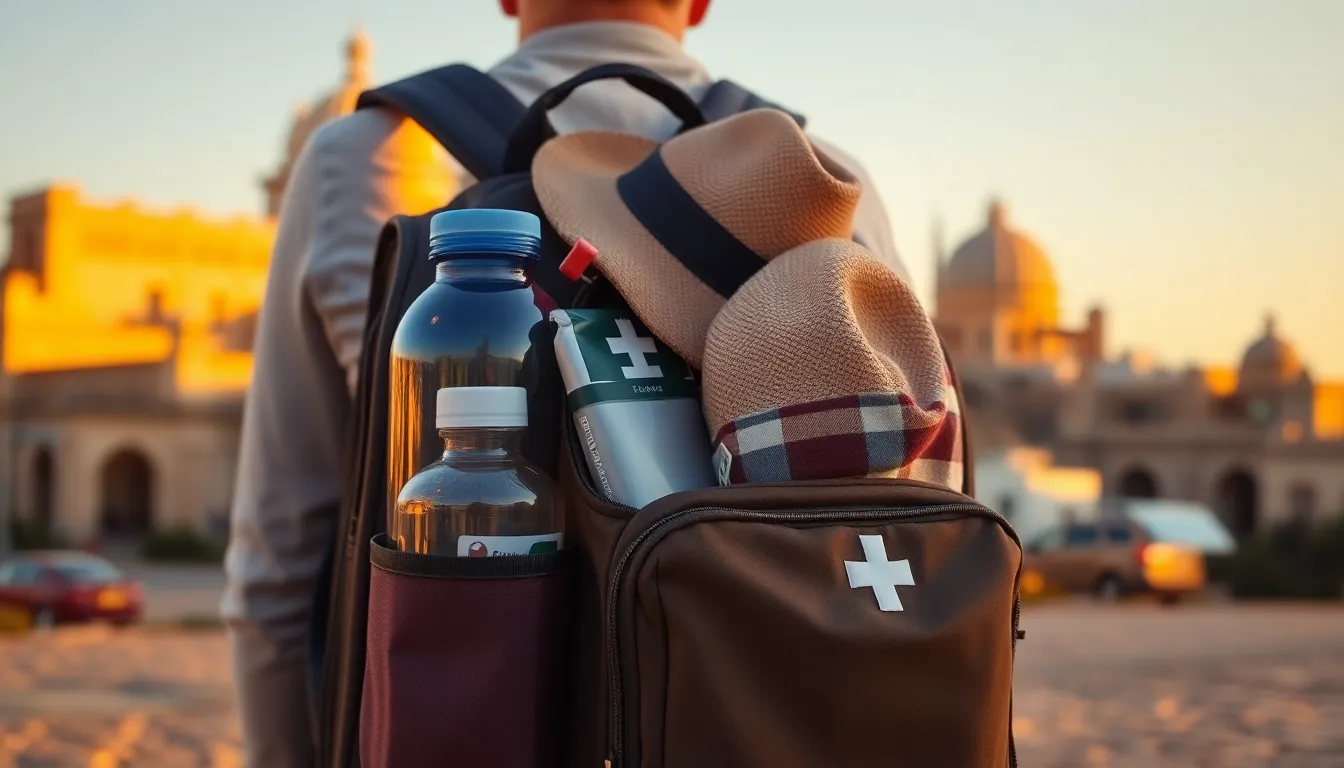
I also encourage a small personal kit for the common, minor things: pain relievers, an anti-diarrheal, antihistamines, motion sickness remedies if anyone is prone, blister care for all the walking, and any personal items like reading glasses or hearing aid batteries. These are easy to forget and a nuisance to source on the road.
Food and Water Safety Without the Anxiety
Turkey has good food, and the most common traveler complaint is the same mild stomach upset that catches people in many countries, usually from a change in diet and water rather than anything dangerous. A little sensible caution prevents most of it.
Drink bottled or properly filtered water, which is easy to find and which we keep stocked on the bus. Use it for brushing teeth too if a member has a sensitive stomach. Eat at busy, reputable places where food turns over quickly, which our itineraries are built around. Be a little cautious with raw salads washed in tap water and with anything left sitting out. Hot, freshly cooked food is your friend, and Turkish cuisine offers plenty of it.
I am not interested in scaring anyone off the wonderful food. Part of the joy of Turkey is the table. The point is just basic awareness, and with it, most groups eat magnificently and stay well.
Heat, Sun, and the Physical Side of the Trip
The health issue I actually manage most on the ground is not an exotic illness. It is heat and exertion. These are active trips across ancient sites, often in strong sun, and the biggest risks for an older group are dehydration, heat exhaustion, and simple overtiredness.
The fixes are the ones I repeat constantly: drink water steadily, wear a hat and sunscreen, pace the day with real rest, and speak up early if you feel off. Good walking shoes prevent blisters and falls on uneven stone. If your group is heat-sensitive, traveling in a milder season removes much of this risk, which is one reason I point so many groups toward our guides on spring and fall travel.
On-Trip Care and Insurance
Turkey has good private hospitals and clinics, especially in Istanbul and the larger coastal cities, and pharmacies are widespread and helpful for minor needs. As a leader, I keep a basic first aid kit, know where local medical care is along the route, and keep a list of any group members’ significant conditions, with their permission, so I can act quickly if needed.
The one thing I consider non-negotiable for every traveler is travel medical insurance that covers care abroad and, importantly, emergency evacuation. It is inexpensive relative to the trip and removes a whole category of worry. I ask leaders to make this a stated requirement for every participant, not an optional extra.
One thing worth knowing as you plan. With Heritage Tours, the group leader travels free when you bring fifteen or more participants, which often makes it easier to encourage a traveling companion for any member who would feel safer with support nearby. You can see how we structure these journeys on our Turkey destination page or read about the leader experience on our group heritage tours page.
FAQ: Health and Vaccinations for Turkey
What vaccinations do I need for Turkey?
Turkey requires no special vaccinations for entry from most countries. Health authorities focus on routine, up-to-date coverage: tetanus and diphtheria, measles-mumps-rubella, and seasonal flu, with hepatitis A and typhoid often suggested because of food and water exposure. The right list depends on the individual, so the reliable step is a travel clinic or doctor visit four to six weeks before departure rather than a generic checklist.
Is the food and water safe in Turkey?
Generally yes, with sensible habits. Stick to bottled or filtered water, including for brushing teeth if you have a sensitive stomach, and eat at busy, reputable places where food turns over quickly. Be a little cautious with raw salads and food left sitting out. The most common issue is mild stomach upset from a change in diet, not anything serious, and Turkish cuisine is one of the highlights of the trip.
How should older travelers prepare for the physical side?
Start with a doctor visit, bring extra medication in carry-on with a written list, and pack good walking shoes. On the trip, the real risks are heat, dehydration, and overtiredness rather than illness, so steady water, sun protection, and a paced day with rest matter most. Traveling in a milder spring or fall season removes much of the heat strain for heat-sensitive groups.
Do I need travel insurance for Turkey?
I treat it as essential for every traveler. You want medical coverage for care abroad and, just as importantly, emergency evacuation. Turkey has good private hospitals in the major cities, but you do not want to face a serious situation uninsured. It is inexpensive relative to the cost of the trip, and I ask group leaders to require it of every participant.
What should each traveler pack in a personal medical kit?
Beyond their prescriptions in carry-on, I suggest a small kit with pain relievers, an anti-diarrheal, antihistamines, motion sickness remedies if needed, blister care for all the walking, and sunscreen. Add personal essentials that are hard to replace abroad, like spare glasses or hearing aid batteries. Keep prescriptions in original containers with a written list of dosages.
If health worries are holding someone in your congregation back, I understand it, and I would rather talk it through than have anyone stay home out of unfounded fear. Most of preparing for Turkey is calm, ordinary planning, and once it is done, your people are free to focus on the sites and the story. I am glad to help you think it through.
Contact us whenever you are ready to start planning.