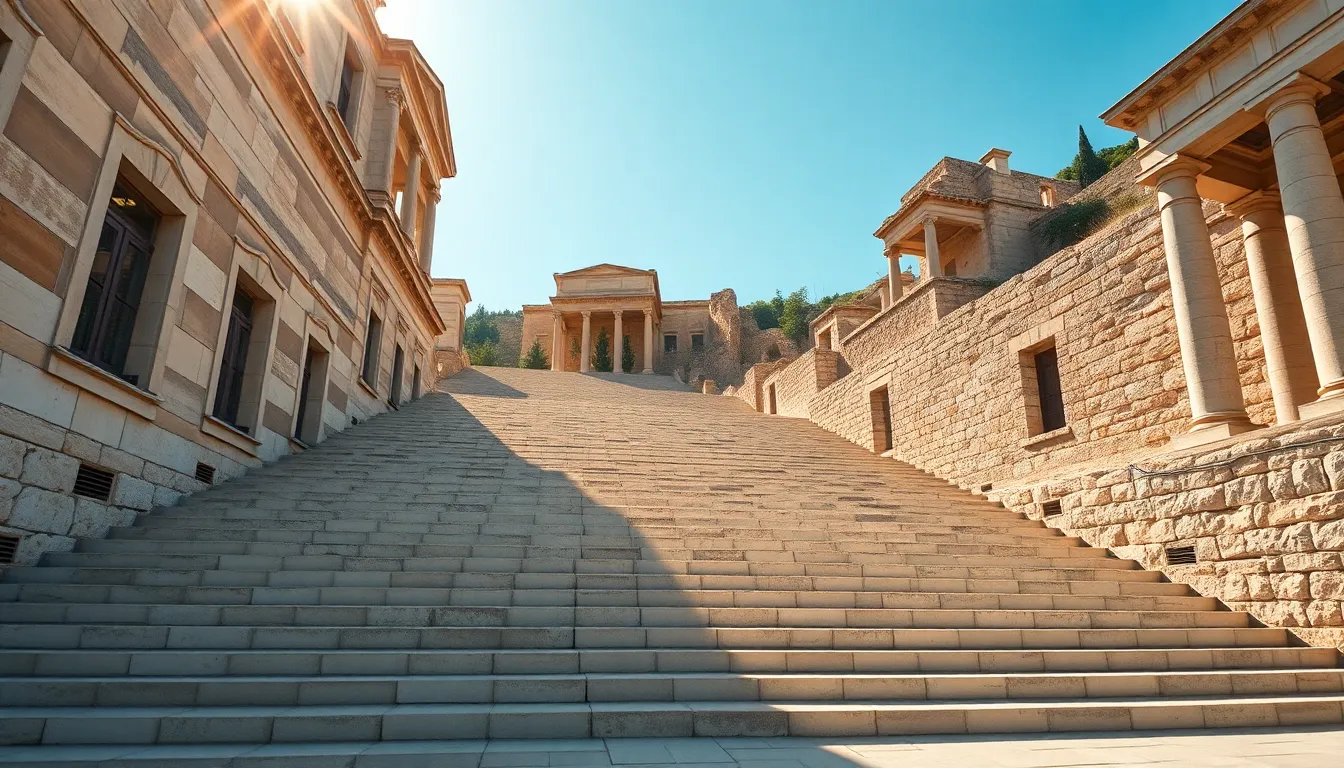
A few years ago a pastor called me before booking, almost apologizing, to ask whether his trip was realistic. Half his group was over seventy. One member used a walker. Two others had knees that, in his words, “complain about stairs.” He was worried that Turkey would be too much for them, and that he would have to leave people behind. I told him what I will tell you. Turkey is more accessible than people fear, but only if you plan around the actual ground, site by site. We took that group, the man with the walker saw Ephesus, and nobody was left in the hotel feeling like a burden.
I have led faith groups across Turkey for a long time, and accessibility is one of the conversations I take most seriously. These are ancient sites built on hills, with stone steps worn smooth over two thousand years, and the honest answer is that some are easier than others. What follows is a realistic, site-by-site look at what your group is actually walking into, so you can plan with clear eyes rather than hope.
Start With an Honest Group Assessment
Before we talk about individual sites, the most useful thing you can do is take an honest inventory of your group. Who walks comfortably for a couple of hours? Who needs frequent rest? Who uses a cane, a walker, or a wheelchair? Who has a heart or breathing condition that makes inclines hard? There is no judgment in this. There is only good planning.
I ask leaders to gather this quietly and early, because it changes how we build the itinerary. A group with several mobility limits is not a group that should skip Turkey. It is a group whose trip we shape differently, with more time at each site, more rest, and clear choices about which optional climbs to include and which to admire from below. For the broader preparation picture, our practical tips for Turkey heritage travel page is a good companion to this one.
Site by Site: The Mobility Realities
Ephesus
Ephesus is the site groups care about most, and the good news is that the main route through it is more manageable than its reputation suggests. The central path is the marble and stone main street, which runs downhill from the upper entrance to the Library of Celsus and the theater. Entering from the top and walking down means gravity is mostly with you, which helps enormously.
The honest caveats are these. The surface is ancient stone, uneven and polished slick in places, so good shoes and a steady pace matter. The famous Terrace Houses, the wealthy homes with their mosaics, sit under a cover up a series of steep metal stairways, and they are not accessible for anyone who cannot manage stairs. The fix is simple: the Terrace Houses are an optional add-on, and a group can absolutely experience Ephesus fully without them. Wheelchair users can do a meaningful portion of the main street with assistance, though the surface makes it work.
Pamukkale and Hierapolis
Pamukkale’s white travertine terraces are stunning and genuinely tricky underfoot. The calcium surface is uneven, sometimes wet, and you are required to walk it barefoot, which makes it slow going for unsteady walkers. The adjacent ancient city of Hierapolis is flatter and more forgiving, with a famous theater and a vast necropolis. For a group with mobility limits, I often have everyone enjoy the terrace overlook and the level parts of Hierapolis, while only the surefooted venture down the travertines.
Pergamon
Pergamon is a place to plan carefully. The Acropolis sits high on a hill, and while a cable car carries you most of the way up, the site itself is steep and uneven once you arrive, with the dramatic theater built into a near-vertical slope. The theater steps are not for anyone unsteady. The lower Asklepion, the ancient healing center, is much flatter and easier. I tell leaders to treat the upper Acropolis as a beautiful but demanding stop and to make sure less mobile members have a comfortable place to wait and take in the view rather than attempt the worst of it.
Cappadocia and the Cave Churches
Cappadocia is the site that worries leaders most, and with reason. The open-air museums, like Goreme, involve cave churches carved into rock, reached by stone steps and short, sometimes low passages. The underground cities are a series of narrow, descending tunnels that are not suitable for anyone with claustrophobia, significant mobility limits, or a wheelchair.
But Cappadocia is also more flexible than it first appears. Many of the most beautiful viewpoints over the fairy chimney valleys are reachable by vehicle, with little or no walking. Some cave churches sit at ground level. A pottery workshop, a carpet demonstration, or a meal in a cave restaurant offers the texture of the region without the climbing. And the hot air balloon experience, weather and health permitting, is a way to take in the whole landscape with no walking at all. We build the Cappadocia days so that everyone gets the wonder of the place, even if the most demanding caves are optional.
Istanbul
Istanbul is the most accessible of the major stops, but the city is hilly and the historic peninsula has its share of cobblestones. The great monuments, Hagia Sophia, the Blue Mosque, the Hagia Irene, are largely on level ground once inside, though they involve some walking and standing. Topkapi Palace is spread out and involves distance. Mosques require removing shoes, which is worth knowing in advance for anyone who finds that difficult. With a sensible pace and some rest stops, Istanbul works well for most groups.
Practical Provisions That Make the Difference
A few things we put in place, especially for groups with mobility needs.
We use comfortable transport that pulls as close to each site entrance as regulations allow, so the walk from the bus is short. We pace the days with built-in rest and never schedule so much that the slowest member is rushed. We bring along folding stools or make sure seating is available for those who need to pause. We are clear in advance about which parts of each site are optional, so no one feels they have failed by sitting one out. And we make sure that the people who wait below still get a meaningful experience, a view, a quiet moment, a place in the group, rather than feeling parked.
Wheelchair users should know that full wheelchair access across ancient sites is limited by the nature of the terrain, but a determined traveler with a willing companion and a good guide can experience far more of Turkey than they might expect. Talk to us early about specific needs so we can be honest about what works and build the rest around it.
One thing worth knowing as you plan. With Heritage Tours, the group leader travels free when you bring fifteen or more participants, which often makes it easier to bring along a helper or two for members who need support. You can see how we structure these journeys on our Turkey destination page or read about the leader experience on our group heritage tours page. If you are also weighing the season, cooler weather makes every site easier, and our guides to spring and fall travel explain why.
FAQ: Accessibility on Turkey Heritage Tours
Can someone in a wheelchair visit the main sites in Turkey?
Partially, and more than people expect, but with honest limits. Istanbul’s great monuments are largely manageable. At Ephesus, a wheelchair user with assistance can do a good portion of the main street, though the ancient surface makes it work. Cappadocia’s underground cities and many cave churches are not wheelchair accessible, but viewpoints, workshops, and cave restaurants are. The key is planning each site individually and bringing a willing companion.
Is Ephesus manageable for older travelers?
Yes, for most. Entering from the top and walking downhill puts gravity on your side along the main marble street. The surface is uneven ancient stone, so good shoes and a steady pace matter. The one demanding extra is the Terrace Houses, reached by steep stairs, which are entirely optional. A group can experience Ephesus fully without them.
What about Cappadocia and the cave churches?
Cappadocia is flexible. The underground cities and some cave churches involve steps, low passages, and tight tunnels that do not suit claustrophobia or significant mobility limits. But many stunning viewpoints are reachable by vehicle with little walking, some churches sit at ground level, and experiences like a cave meal or a balloon flight need no climbing. We design the Cappadocia days so everyone shares in the place.
How do you handle a group with mixed mobility levels?
We plan around the actual group rather than a generic itinerary. That means an honest assessment up front, a gentler daily pace with built-in rest, transport that pulls close to entrances, and clear optional sections at each site. The goal is that less mobile members always have a meaningful place in the group, a good view and a real moment, rather than feeling left behind.
Does the season affect how accessible the sites feel?
Very much. Heat is its own accessibility barrier, since long walks on shadeless ancient stone are far harder in summer. Cooler weather in spring and fall makes every site easier on the body, especially for older travelers and anyone with a heart or breathing condition. If accessibility is a priority, traveling in a mild season is one of the simplest ways to make the whole trip gentler.
If you are worried that mobility limits in your group might rule Turkey out, please do not assume the worst before we talk. I have taken groups with walkers, with wheelchairs, with knees that complain about stairs, and we found a way to give each person a real encounter with these places. The planning is the work, and it is work I am glad to do with you.
Contact us whenever you are ready to start planning.