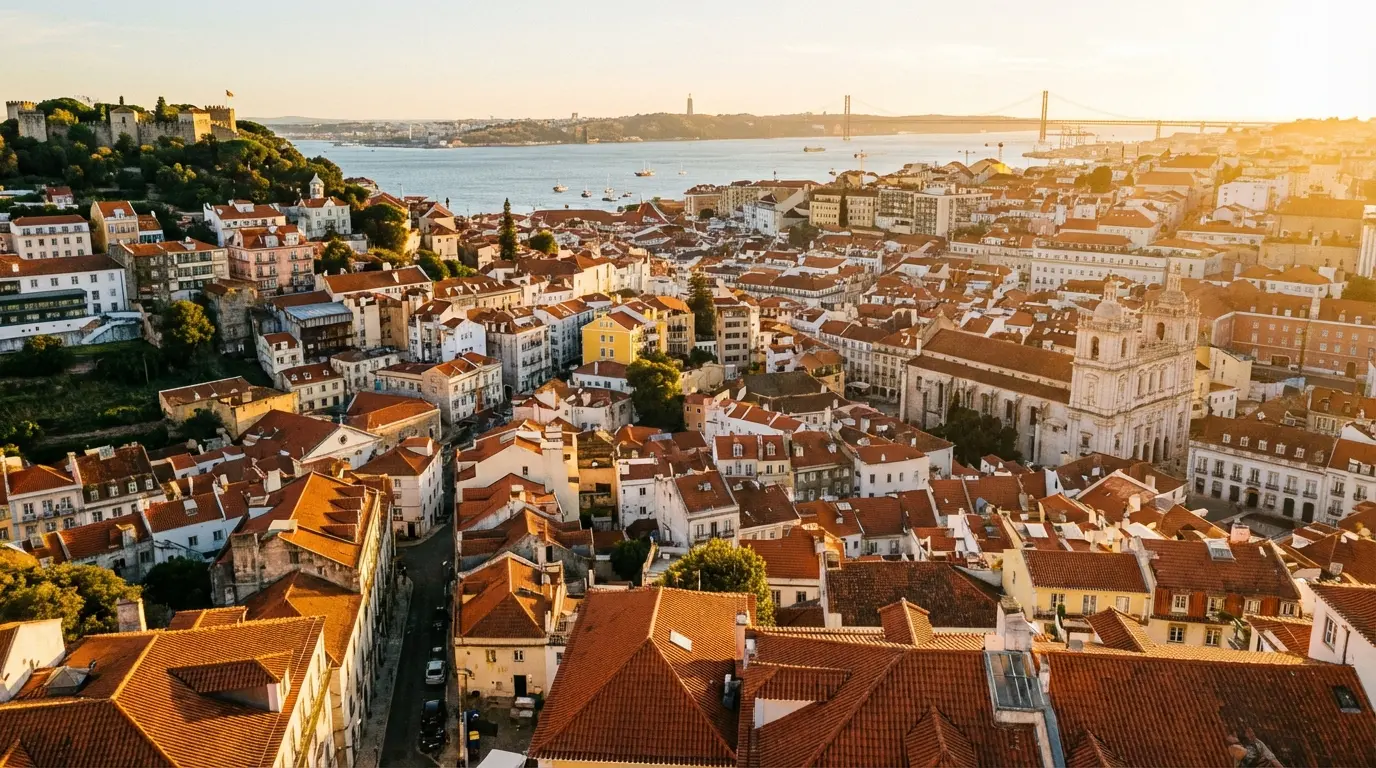
Why Portugal? The Heritage Story No Other Country Has
When people ask me about Portugal, I notice they almost always mention Lisbon first. The food, the tiles, the trams. And yes, Lisbon is beautiful. But that is not why I send groups there.
Portugal holds something no other country in Europe can offer: two of the most powerful heritage stories on the continent, side by side. For Christian communities, there is Fatima, one of the most important Catholic pilgrimage sites in the world. For Jewish communities, there is Belmonte, a small town in the Portuguese interior where families practiced Judaism in secret for more than 500 years after the forced conversions of 1497.
That is not a travel statistic. That is longer than the United States has existed. Mothers whispered prayers to daughters. Shabbat candles were lit inside closed cupboards so no one outside could see the light. Passover was observed under the guise of spring cleaning. And this went on, generation after generation, until these families were rediscovered in the twentieth century.
Portugal is one of the few destinations where a rabbi and a pastor could bring their communities on the same trip and both would come home changed. That is worth understanding before you start planning.
The Sephardic Jewish Legacy: From Tomar to Belmonte
The Jewish presence in Portugal goes back more than a thousand years, long before the country even had its current borders. Jewish communities were established in Lisbon, Porto, Tomar, and throughout the Alentejo region. They were merchants, scholars, physicians, translators. Portugal’s age of exploration, the maps and navigation that made it possible, drew heavily on Jewish knowledge and expertise.
Then came 1497. King Manuel I, under pressure from Spain, ordered all Jews in Portugal to convert to Christianity or leave. Unlike Spain’s expulsion five years earlier, Portugal went further. The ports were closed. Children were separated from parents and baptized. The choice was not truly a choice at all.
What happened next is the part most people never hear. Many families converted outwardly but continued to practice Judaism in secret. These crypto-Jews, sometimes called conversos or New Christians, built a hidden world. In Belmonte, that world survived intact for centuries. In Tomar, the synagogue itself survived, tucked into the medieval streets, the only intact pre-expulsion synagogue still standing in Portugal.
When you walk into that synagogue in Tomar today, you are standing in a space that predates Columbus. When you visit Belmonte, you are meeting a community that kept their faith alive through the Inquisition, through centuries of suspicion, through everything. These are not museum exhibits. They are living stories.
Christian Heritage: Fatima, Batalha, and the Monastic Tradition
For Christian pilgrims, Portugal’s significance centers on Fatima but extends well beyond it. In 1917, three shepherd children reported visions of the Virgin Mary in a field near the town of Fatima. What followed transformed a rural village into one of the most visited pilgrimage sites in the Catholic world. Today, the Sanctuary of Our Lady of Fatima draws millions of visitors each year, with the largest gatherings on May 13 and October 13, the anniversary dates of the apparitions.
But Portugal’s Christian heritage runs much deeper than Fatima alone. The Monastery of Batalha, a Gothic masterpiece built to commemorate a 14th-century military victory, is one of the finest examples of religious architecture in Europe. The Monastery of Alcobaca, founded by Cistercian monks in the 12th century, tells the story of how monastic communities shaped Portugal’s earliest development. The Convent of Christ in Tomar, originally built by the Knights Templar, connects Portugal to the broader story of medieval Christendom.
What makes Portugal unusual is how close these sites are to each other. A group can visit Fatima, Batalha, and Tomar in a single day and still have time for reflection. That density of sacred history, Christian and Jewish, within a small and welcoming country, is part of what makes Portugal so well suited to heritage travel.
What the Sephardic Citizenship Law Means for Jewish Travelers
In 2015, Portugal passed a law offering citizenship to descendants of Sephardic Jews who were expelled during the Inquisition. The law was a formal act of recognition, an acknowledgment that what happened in 1497 was wrong and that the descendants of those families have a claim to Portuguese identity.
For many Jewish travelers, this changes the meaning of the trip entirely. It is one thing to visit a country as a tourist. It is another to visit a country that has formally recognized your family’s history and offered you belonging. Some travelers discover their family name on the lists of known Sephardic families. Some begin the citizenship process during or after their visit. Others simply want to stand in the place their ancestors were forced to leave and feel that the country now welcomes them back.
Whether or not a traveler pursues citizenship, the law has made Portugal a different kind of destination for Jewish heritage groups. It is personal in a way that few places can be.
Planning a Group Heritage Trip to Portugal: Key Considerations
If you are a rabbi or pastor considering Portugal for your community, here are the things worth knowing early.
Portugal is a small country, which works in your favor. Lisbon, Fatima, Tomar, and Belmonte can all be reached without long travel days. A well-planned itinerary of 8 to 10 days can cover both the major pilgrimage sites and the interior heritage towns without feeling rushed.
The Portuguese interior, where many of the most important Jewish heritage sites are located, requires a guide who knows the region. These are not places with visitor centers and audio guides. In Trancoso, you need someone who can show you the doorways where converso families carved hidden Jewish symbols. In Belmonte, you need someone who can introduce you to the community. Heritage Tours works with local operators throughout the Portuguese interior who know these sites and their stories.
For groups of 15 or more, the group leader travels free. This is how Heritage Tours honors the person who makes the trip possible, the spiritual leader who brings the community together and gives the journey its meaning.
Portugal works well for both spring and fall travel, though the timing depends on whether your group wants to be at Fatima for the May or October anniversaries. For Jewish groups, fall after the High Holidays is a natural window.
If you are considering this trip, or if you just want to talk through what a Portugal itinerary might look like for your community, I would welcome that conversation. You can explore our Portugal destination page for a starting point, and reach out when you are ready.
Frequently Asked Questions
What are the main heritage destinations in Portugal for faith groups?
The most significant sites include Fatima (one of the world’s most important Catholic pilgrimage destinations), Belmonte (home to the crypto-Jewish community that practiced in secret for over 500 years), Tomar (site of the only intact pre-expulsion synagogue in Portugal), and Batalha (a Gothic monastery of extraordinary beauty). Lisbon and Porto also hold important heritage sites for both Jewish and Christian communities.
What is Fatima and why is it important for Christian pilgrims?
Fatima is the site where three shepherd children reported visions of the Virgin Mary in 1917. The Sanctuary of Our Lady of Fatima is now one of the most visited Catholic pilgrimage sites in the world, drawing millions of visitors annually. The most significant dates are May 13 and October 13, the anniversaries of the first and last apparitions.
What is the Sephardic citizenship law in Portugal?
In 2015, Portugal passed a law offering citizenship to descendants of Sephardic Jews who were expelled during the Inquisition. The law recognizes the historical injustice of the forced conversions and expulsions of 1497. Descendants of known Sephardic families can apply for Portuguese citizenship, which has made the country a deeply personal destination for many Jewish heritage travelers.
Is Portugal a good destination for Jewish heritage tours?
Portugal holds one of the most remarkable Jewish heritage stories in Europe. The crypto-Jewish community of Belmonte preserved their faith in secret for more than 500 years. Tomar’s pre-expulsion synagogue still stands. Lisbon and Porto both have significant Jewish quarters and histories. For Jewish groups, particularly those with Sephardic roots, Portugal is among the most meaningful heritage destinations available.
How do I plan a group heritage trip to Portugal?
Start by considering your group’s interests and the time of year that works best. A typical heritage itinerary runs 8 to 10 days and can include both Christian pilgrimage sites (Fatima, Batalha) and Jewish heritage sites (Belmonte, Tomar). Heritage Tours creates custom itineraries for faith groups and works with local operators throughout Portugal. For groups of 15 or more, the group leader travels free. Visit our Portugal page to begin exploring options.