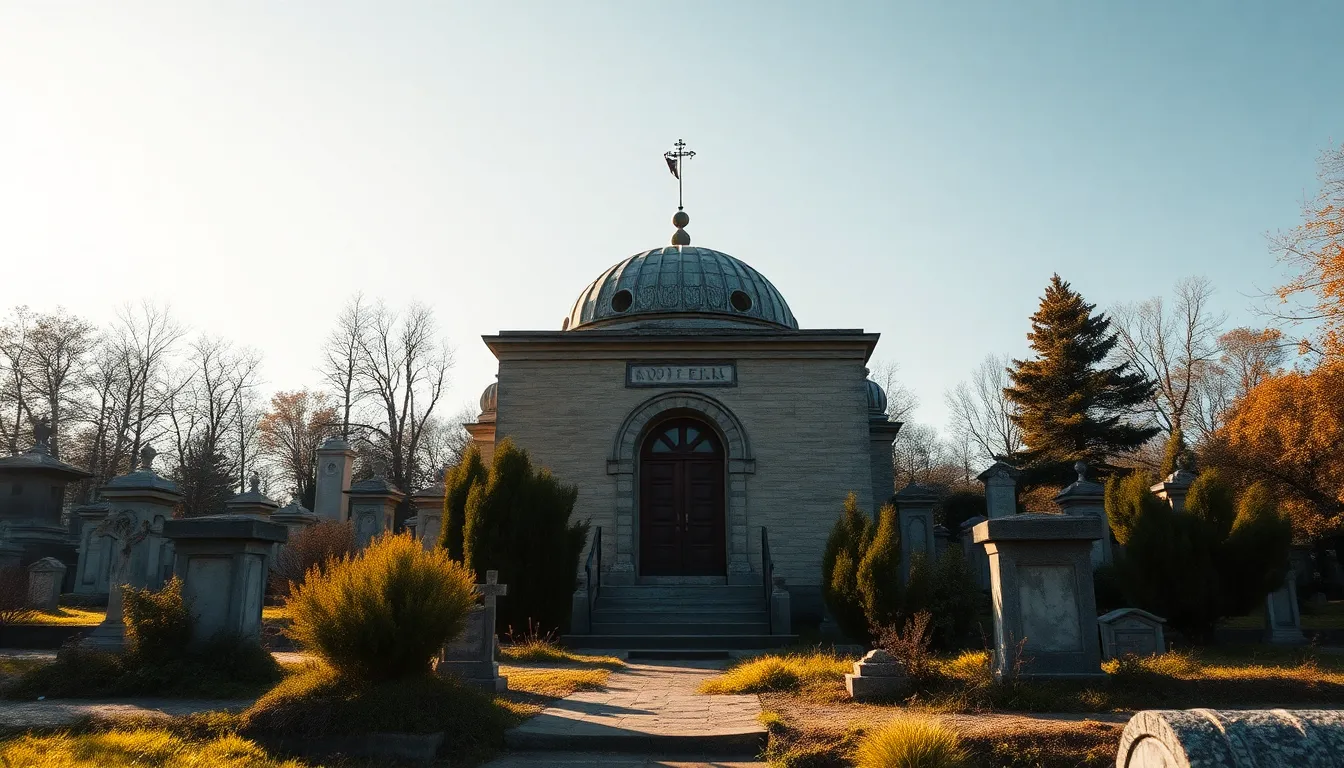
There is a particular kind of group that comes to Poland not for the museums and not, first of all, for the camps, but for the graves of the rebbes. They are looking for the cradle of Hasidism, the towns where the great masters lived and taught and are buried, the ohelim where Jews still come to pray and leave kvitlach. If you lead a community drawn to this world, you already know that a standard heritage itinerary will not serve you. You need a route built around the tzaddikim.
This is that route. It moves through the small towns of central and southern Poland that the wider tours skip entirely, the places where Hasidic dynasties were born and where their founders rest. It is part pilgrimage and part homecoming, and it is best led by someone who understands that davening at an ohel is not a photo stop but the reason the group came.
I have built these trips for Hasidic communities, for Orthodox groups tracing their own dynastic roots, and for educators who want their students to stand at the source. The itinerary that follows assumes prayer at the graves is the spine of the trip. If your group also wants the broader story, our 10-day Poland heritage itinerary fills it in. This one stays with the rebbes.
How This Pilgrimage Is Shaped
Hasidism was born in the eighteenth century in the towns of Poland and Ukraine, and many of its founding dynasties trace to Polish soil: Lezajsk, Lublin, Przysucha, Kock, Ger. This itinerary follows them roughly by geography rather than strict chronology, looping south and east from a Krakow base to reach the towns where the masters are buried, with time at each ohel to daven and to learn the story of the rebbe who rests there.
Practical note for the leader: many of these sites are small, in towns with little Jewish presence today. Keys are sometimes held by a local caretaker. Heritage Tours arranges access in advance so your group is not standing at a locked gate. Kosher food and Shabbos logistics in this part of Poland require planning, and we handle that too.
Day 1: Arrival in Krakow
Your group flies into Krakow, the base for this itinerary, and most arrive in the afternoon. Rest is the only plan for Day 1.
Krakow itself holds deep Jewish history, and your group will see it later in the trip. For now, settle in. If your group gathers in the evening, an unhurried first walk through Kazimierz, the old Jewish quarter, is a fitting beginning. Heritage Tours arranges airport pickup so the first hours are restful.
Day 2: Lezajsk, the Cradle
Today your group travels to Lezajsk, roughly three hours east of Krakow, to the ohel of Rabbi Elimelech of Lezajsk, the Noam Elimelech, one of the founding masters of Hasidism in Poland.
For many groups this is the heart of the entire trip. Rabbi Elimelech, a student of the Maggid of Mezeritch, shaped the movement’s theology of the tzaddik, and his grave is among the most visited Hasidic sites in Poland. On his yahrzeit, the 21st of Adar, thousands gather here from around the world.
Give your group unhurried time at the ohel to daven, to leave kvitlach, and to learn the rebbe’s story and his teachings. This is not a stop to rush. The drive back to Krakow is long, so plan a full day with the davening at its center.
Day 3: Lublin and Przysucha
Today moves north and east to two towns essential to the Hasidic story.
In Lublin, the Seer of Lublin, Rabbi Yaakov Yitzchak Horowitz, a towering early Hasidic master, is buried in the old Jewish cemetery, one of the oldest in Poland. Lublin was a center of Jewish learning for centuries, and your group can also see the building of the Chachmei Lublin Yeshiva, founded by Rabbi Meir Shapiro, who originated the Daf Yomi cycle of daily Talmud study still followed worldwide.
Continue toward Przysucha, home to Rabbi Yaakov Yitzchak, the Holy Jew, and Rabbi Simcha Bunim, masters of the Przysucha school that prized inwardness and truth and gave rise to Kock and later to Ger. Daven at the ohelim and let your group sit with the distinct spirit of this lineage.
This is a long day with significant driving. We pace it with the davening protected and the transfers handled.
Day 4: Kock and Gora Kalwaria (Ger)
Today follows the Przysucha school into the dynasties it produced.
In Kock, daven at the ohel of Rabbi Menachem Mendel Morgenstern, the Kotzker Rebbe, one of the most fiercely demanding and enigmatic figures in all of Hasidism, who spent his last two decades in seclusion. The town is quiet, the site is modest, and the intensity of his legacy fills it.
Then travel to Gora Kalwaria, known to Jews as Ger, the seat of the Ger Hasidic dynasty, one of the largest and most influential in the world. The dynasty’s founder, the Chiddushei HaRim, and his successors shaped a movement that endures powerfully today in Israel and beyond. For members of Ger, and for anyone tracing the dynasty’s roots, standing in the town where it began is deeply moving. Daven at the ohel and walk what remains of the Jewish town.
Return to Krakow in the evening.
Day 5: Krakow, the Rema and Kazimierz
Today honors Krakow’s own towering figure and the Jewish quarter that survives.
In Kazimierz, the Remuh Synagogue, built in 1553, stands beside the grave of Rabbi Moshe Isserles, the Rema, whose glosses on the Shulchan Aruch made Ashkenazi halacha what it is. The Rema predates Hasidism, but no Orthodox or Hasidic group passes through Krakow without davening at his grave. On his yahrzeit, the 18th of Iyar, Lag BaOmer, pilgrims fill the cemetery.
Spend the day in Kazimierz. Daven at the Remuh, visit the old cemetery with its graves from the 1500s, and see the cluster of surviving synagogues. Your group will feel the depth of Jewish Krakow, a community that produced giants of halacha for centuries.
Day 6: Auschwitz-Birkenau
A Hasidic heritage trip through Poland cannot end without facing what happened to this world. The towns you have prayed in were emptied. The dynasties you have honored survived only because remnants escaped or rebuilt from almost nothing. Your group must stand where so much of Hasidic Poland was destroyed.
The evening before, prepare your group. Tell them what the day holds and how long it lasts. Let people know that every reaction is normal, whether tears, silence, or numbness. Prepare the Kaddish and any readings your group will say. This is an act of remembrance, never a tour.
The day begins at Auschwitz I and moves to Birkenau, the extermination camp whose scale photographs cannot convey. The rail line ends inside the camp, at the ruins of the gas chambers. Among those murdered here were countless Hasidim and several rebbes, and the world of the shtetl your group has traced all week ended in places like this one.
Move through the sites in silence, with room to daven and to say Kaddish at the monument. The return to Krakow is quiet, and Heritage Tours schedules nothing for the evening.
Day 7: Departure
The final day is for closing and departure. If your flight allows a free morning, gather your group for a time of reflection. Ask each person what they are carrying home from standing at the graves of the masters and at the place where their world was destroyed.
A Hasidic heritage trip holds both: the living teaching of the tzaddikim and the weight of what was lost. Naming both together, before your group flies, is where the journey settles. Heritage Tours handles the airport transfer, so the final hours belong to your group.
FAQ: A Hasidic Heritage Itinerary Through Poland
Which rebbes’ graves can you visit in Poland?
The central ones for a Hasidic heritage trip include Rabbi Elimelech of Lezajsk, the Noam Elimelech, in Lezajsk; the Seer of Lublin in the old Lublin cemetery; the masters of Przysucha; the Kotzker Rebbe in Kock; the founders of the Ger dynasty in Gora Kalwaria; and the Rema, Rabbi Moshe Isserles, in Krakow. We build the route around these ohelim with time to daven at each, and we arrange site access in advance.
Is Lezajsk worth the long drive from Krakow?
For most Hasidic groups, Lezajsk is the heart of the trip, not a side stop. Rabbi Elimelech of Lezajsk is one of the founding masters of Polish Hasidism, and his ohel is among the most visited Hasidic sites in the country. On his yahrzeit, the 21st of Adar, thousands come from around the world. We plan it as a full day with the davening at the center.
How do you handle kosher food and Shabbos logistics?
Carefully and in advance. Much of this route runs through small towns with little Jewish infrastructure today, so we arrange kosher catering, plan Shabbos in Krakow where there is an established community and kosher provision, and coordinate the davening schedule around the driving. This is exactly the kind of logistics a group should not try to improvise on its own.
Should a Hasidic heritage trip include Auschwitz?
Yes. The dynasties and towns your group honors were devastated in the Holocaust, and many Hasidim and several rebbes were murdered at Auschwitz. Standing there is part of an honest journey through Hasidic Poland. We prepare groups carefully and frame the day entirely as remembrance, with Kaddish and prayer, never as sightseeing.
Does the group leader travel free?
Yes. With Heritage Tours, the group leader, whether a rebbe, rav, or community organizer, travels free with fifteen or more participants. For a community building a group around a dynasty’s roots, that math is worth raising early in your planning.
If you lead a community drawn to the roots of Hasidism in Poland, I would be honored to help you build a route around the rebbes your group holds dear, with the davening, the access, and the kosher and Shabbos logistics handled. You can reach our group team here, see the broader 10-day Poland heritage itinerary, the 7-day Jewish heritage itinerary, and the Poland destination overview. When you are ready, contact us.