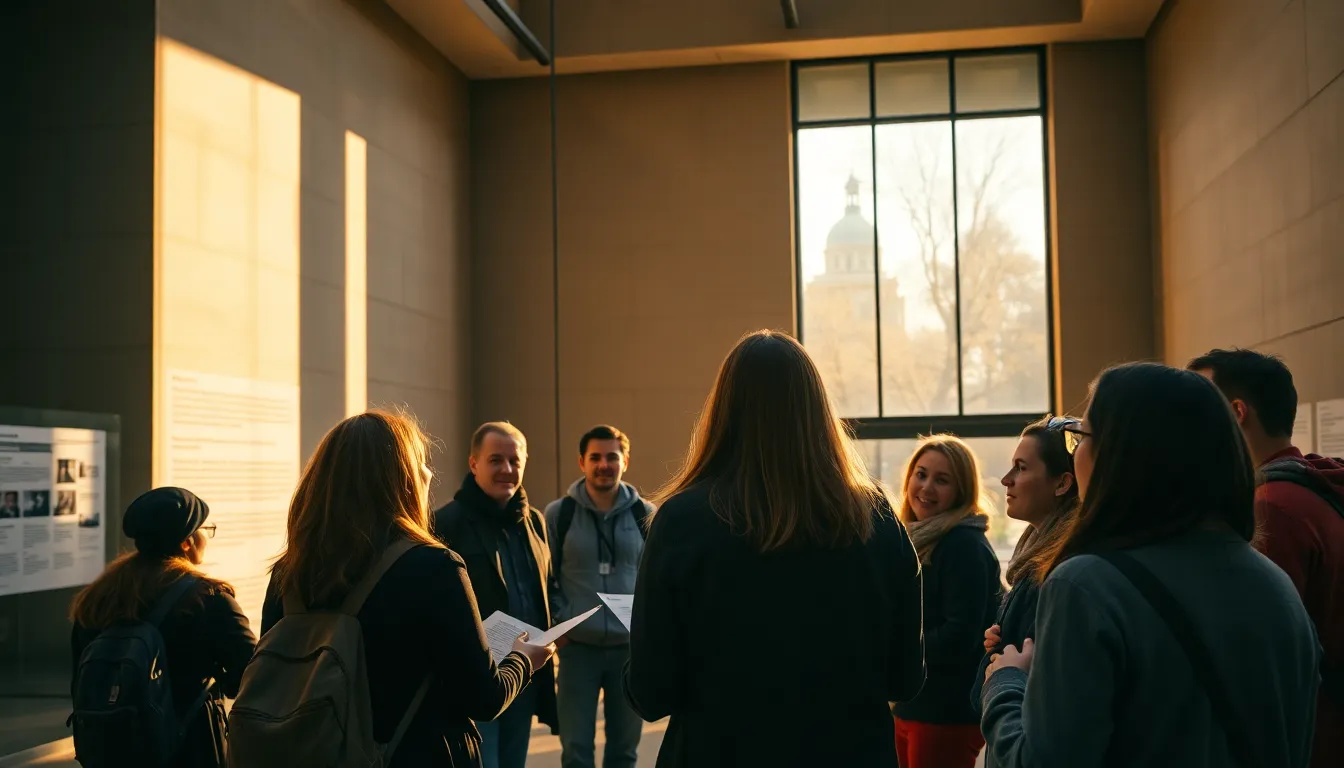
A day school principal once asked me a question that has stayed with me. “I can teach my students about the Holocaust in a classroom. Why put them on a plane?” It was an honest question, and it deserved an honest answer. A book tells students that six million people were murdered. Standing inside Birkenau tells them something a book cannot. The scale stops being a number and becomes a place their own feet are standing in.
That is the heart of educational framing. A Poland heritage trip is not a field trip with heavier subject matter. It is a form of teaching that the classroom cannot replicate, and clergy and educators who frame it as teaching, rather than as travel, get something profound out of it.
I have helped group leaders plan heritage journeys for over forty years, many of them clergy and educators bringing students. Here is how you turn a Poland trip into teaching and remembrance, and how you carry it back into the classroom after you return.
Decide What You Are Teaching Before You Plan the Route
Educational framing starts with a learning goal, the way any good unit does. Before you pick a single site, ask what you want your students to understand by the end.
Are you teaching the history of the Holocaust? The thousand-year story of Jewish civilization in Poland? The mechanics of how a society turns to mass murder, and the moral questions that raises? The endurance of memory and what it asks of the next generation? Each of these is a legitimate goal, and each one points to a different route and a different emphasis.
Naming the goal first turns a collection of sites into a curriculum. It also gives you the thread to pull through every day, so your students are not just visiting places but building toward an understanding you chose on purpose.
Frame the Trip as Heritage, Not Only Destruction
For educators, the single most important framing decision is to teach the whole story.
A trip built only around the sites of destruction teaches students that the Holocaust is the entire story of Jews in Poland. That is not only incomplete, it is a distortion that the perpetrators themselves would have wanted. The fuller, truer lesson begins with the civilization that existed first.
Teaching the World That Was Lost
Build in Krakow’s Kazimierz quarter, where Jewish life thrived for centuries. Build in the POLIN Museum, which lays out a thousand years of Jewish history in Poland through immersive, student-friendly exhibits. Teach about Lublin’s yeshivas and the scholarship that came out of them. When your students have learned what was built, the lesson of what was destroyed lands with its full moral weight. They understand they are mourning a living world, not an abstraction.
This is also better pedagogy. Students retain a story with a beginning, middle, and end far better than they retain a single overwhelming horror with no context around it.
Build the On-Site Learning Around Inquiry
Once you are there, the teaching is not a lecture in front of a monument. The most powerful on-site learning comes from inquiry, from giving students questions to carry into a place rather than conclusions to receive.
Give Students Questions Before Each Site
Before Birkenau, before POLIN, before a small-town synagogue, give your students a question to hold. What does this place ask of me? What does it mean that this is still standing while the people are gone? How does a society reach this point? Students who enter a site with a question engage differently than students waiting to be told what to think.
Let the Local Educators Teach
Heritage Tours works with local guides in Poland who are educators, not script-readers. They know the sites, the history, and how to work with student groups. They will read your group, adjust their pace, and create space for questions. Let them teach, and position yourself as the person who connects what they say to the larger learning goal you set and to your students’ own lives.
Build in Reflection, Not Just Movement
Reflection is where experience becomes learning. Build in time after heavy sites for students to write, to talk, to sit. The itinerary helps here, because we pace it with an emotional arc in mind and never stack two heavy memorial sites back to back without something restorative between them. Use that built-in space for structured reflection. A journal, a discussion, a quiet hour. This is where students convert what they saw into what they understand.
Hold the Remembrance With Dignity
Educational framing does not mean treating these sites as case studies. The teaching and the remembrance hold together, and your students will follow your lead on how to carry both.
At the sites of memory, model the posture you want your students to learn. Silence where silence is right. Care in how you speak. A moment of remembrance, a reading, a name spoken aloud. Students learn how to stand in a place like Birkenau by watching how their teacher stands there. The dignity you bring is itself the lesson, as much as any fact you teach.
The Free Leader Program for School and Youth Groups
A practical note that matters for educators and clergy bringing students.
When your group reaches 15 participants, the group leader travels free. Airfare, hotel, ground transportation, the meals included in the itinerary, and entry to every site. That is the standard Heritage Tours policy on every group journey.
For a teacher, principal, or youth director, this changes the math. Student groups often reach fifteen easily, which means the educator leading the trip travels at no personal cost and without asking the school to fund that seat. The person doing the work of turning this journey into teaching should not also be paying for it. Once you hit fifteen, your travel is fully covered.
Carry the Trip Back Into the Classroom
The educational value of a Poland trip is not finished when you land. In many ways the most important teaching happens after you return, when students try to make sense of what they carried home.
Plan the re-entry as deliberately as you planned the trip. In the weeks after you return, give students structured ways to process and to teach what they learned. A presentation to younger grades. A writing project. A memorial program for the school community. A conversation with families. Students who teach what they witnessed understand it more deeply, and they become carriers of memory to people who were not there.
This is the point a classroom alone can never reach. Your students are no longer learning about the Holocaust from a distance. They have stood in the place, and now they can speak about it as witnesses, which is exactly what the next generation of remembrance needs.
Do not call it closure. You opened something in your students. Carrying it into the classroom and the community is how that opening becomes lasting education.
FAQ: Educational Framing for Poland Heritage Trips
Why take students to Poland instead of teaching the Holocaust in a classroom?
A classroom can teach the facts, but standing inside Birkenau turns the scale from a number into a place students are physically present in. A heritage trip is not a field trip with heavier content; it is a form of teaching the classroom cannot replicate. When framed as teaching rather than travel, it gives students an understanding and a moral weight they carry for life.
How should an educator frame a Poland trip for students?
Start by naming a clear learning goal, the way you would for any unit, because that turns a collection of sites into a curriculum. Frame the journey as heritage, not only destruction, so students first learn the thousand-year civilization that existed before teaching the loss. Build on-site learning around inquiry, give students questions before each site, and hold the remembrance with dignity.
What should students learn before visiting the memorial sites?
Teach the world that was lost first. Build in Kazimierz and the POLIN Museum so students understand the centuries of Jewish life, scholarship, and culture in Poland. When they have learned what was built, the lesson of what was destroyed lands with its full moral weight, and they understand they are mourning a living world rather than an abstraction.
Does the free leader program apply to teachers and youth directors?
Yes. Once your group reaches 15 participants, the leader travels free, with airfare, hotel, ground transportation, included meals, and all site entries covered. Student and youth groups often reach fifteen easily, which means the educator leading the trip travels at no personal cost and without asking the school to fund that seat.
How do I extend the learning after we return home?
Plan the re-entry as deliberately as the trip. Give students structured ways to teach what they witnessed: a presentation to younger grades, a writing project, a memorial program, or a conversation with families. Students who teach what they saw understand it more deeply and become carriers of memory to people who were not there, which is the point a classroom alone can never reach.
If you are a teacher, principal, youth director, or clergy member thinking about bringing students to Poland, I would be glad to help you build a journey that genuinely teaches. Tell me about your students and what you want them to understand, and we will shape the route around that goal.
You can see how we structure these journeys at our Poland heritage destination page or learn how the leader experience works on our group heritage tours page. When you are ready, contact us.