The Realities of Group Travel at Sacred Sites in France
Travel guides give you the history and the opening hours. What they do not give you is the ground truth of what it actually feels like to bring twenty people to a sacred site in France.
A group of twenty takes three times as long to move through a cathedral as a couple. Parking a coach near a medieval town center is never straightforward. The most meaningful sites often have the most complicated booking requirements. And the things that go wrong are almost never the things you planned for.
I have spent over forty years in heritage tourism, and the advice that follows is the kind I give every group leader before they depart. These are the things that actually make the difference between a good trip and a great one.
Lourdes: What the Websites Don’t Say
Lourdes receives five million visitors a year, and the sanctuary is well organized for large numbers. But there are things the official website does not prepare you for.
Group registration is required. If you are bringing a group of 15 or more, you should register with the Lourdes sanctuary office in advance. This gives you access to group-specific services, reserved seating areas for certain ceremonies, and coordination with sanctuary staff. Heritage Tours handles this registration.
The candlelight procession has practical requirements. The nightly procession is one of the most moving experiences in all of Christian pilgrimage. But with a group, you need to plan your position. Arriving 30 to 45 minutes early gives you a spot where your group can stay together. The procession starts at the Grotto and moves across the esplanade. Candles are provided on site.
The healing baths have wait times. During peak season, the wait for the baths can be two hours or more. Midweek visits and early morning arrivals reduce the wait significantly. Not everyone in your group will want to participate, and that is perfectly fine. Give people the choice.
Crowd levels vary dramatically by date. The Feast of the Assumption (August 15) and the major international pilgrimage weeks bring enormous crowds. Outside those dates, Lourdes can be surprisingly manageable, even peaceful.
For more on timing your Lourdes visit, see our best time to visit France for heritage travel.
Jewish Heritage Sites: Booking Requirements and What to Expect
Visiting Jewish heritage sites in France requires more advance planning than visiting cathedrals, which are generally open to the public.
The Memorial de la Shoah in Paris welcomes group visits, but you should book in advance. The memorial offers guided visits for groups, and the quality of these guides is excellent. Allow at least two hours. The experience is emotionally heavy, and your group will need time afterward.
Smaller synagogues are not always open. The synagogues in Carpentras, Cavaillon, and smaller Alsatian towns are not tourist attractions with regular hours. Many are active houses of worship or are maintained by local custodians. Visiting them requires advance contact, and in some cases, the custodian must physically open the building for your group. Heritage Tours maintains relationships with these custodians and arranges access.
Jewish cemeteries in Alsace may require local contacts to unlock gates. The headstones are fragile and historic. Remind your group to be respectful, to watch their step, and to follow Jewish cemetery customs (placing stones on headstones, not stepping on graves).
The Rashi heritage trail in Troyes is open and walkable without special booking, but the interpretive center has limited hours. Check in advance, especially if visiting on a Monday (many French museums and sites close on Mondays).
For a full guide to these sites, see our Jewish heritage in France guide.
Food, Shabbat, and Kosher Reality on the Road in France
If you are leading a Jewish heritage group, food and Shabbat are practical concerns that need honest answers.
Paris has a well-established kosher dining scene, concentrated in the Marais. You will have no trouble finding kosher restaurants, bakeries, and shops. Strasbourg also has good kosher options, including restaurants near the synagogue.
Smaller towns are a different story. In Troyes, Colmar, the Comtat Venaissin towns, and anywhere outside Paris and Strasbourg, kosher restaurant options are limited or nonexistent. Heritage Tours plans for this by arranging meals at restaurants that can accommodate kosher dietary needs (vegetarian or fish options) or by coordinating with kosher caterers in advance for groups that require strict observance.
Shabbat planning is essential. If your trip spans a Shabbat, the itinerary should be designed so the group is in a city with a synagogue and kosher dining for Friday evening and Saturday. Paris and Strasbourg are the best locations for Shabbat. Heritage Tours builds Shabbat into the schedule from the beginning, not as an afterthought.
French food culture is central to the experience. Even for groups with dietary restrictions, the meals in France are memorable. Local cuisine is part of the journey, and Heritage Tours selects restaurants that showcase regional French cooking while respecting your group’s needs.
Pacing a Group: The Number One Thing Leaders Get Wrong
This is the single most important practical tip I can give you: everything takes longer with a group.
A couple can walk through a cathedral in 45 minutes. A group of 20 needs 90 minutes. Someone needs the restroom. Someone gets separated in the gift shop. Someone is deep in conversation with the guide and does not want to leave. The bus is parked six blocks away because the medieval town center does not accommodate coaches.
Build buffer time into every transition. If Google Maps says a site visit takes an hour, schedule 90 minutes. If the drive between cities is two hours, plan for two and a half.
Limit site visits to two per day, three at most. Your group will remember two deeply experienced sites much more vividly than four rushed ones.
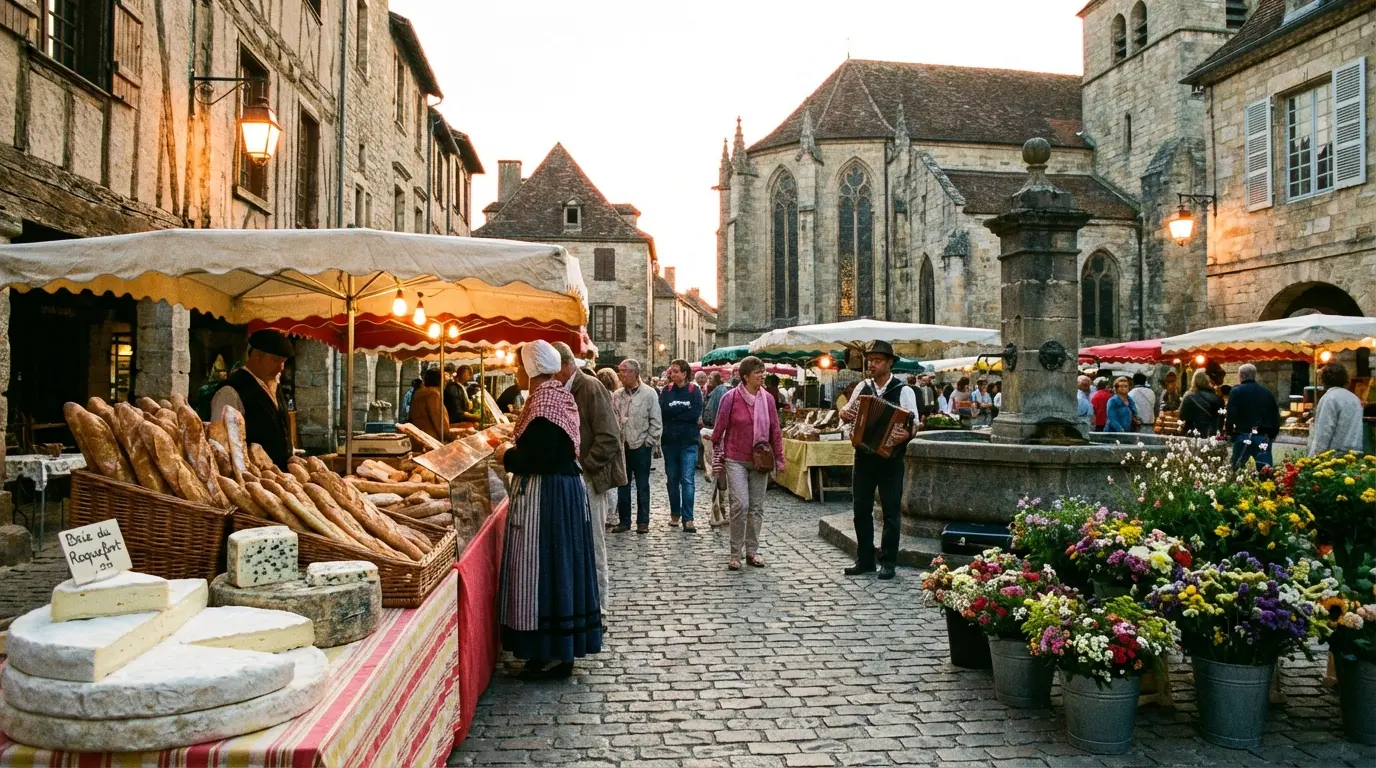
Include a rest day. Midway through a ten-day trip, schedule a lighter day. A morning at a local market, an afternoon free for walking or journaling, an optional evening activity. This prevents the fatigue that turns enthusiastic participants into reluctant ones by day seven.
Morning departures should never assume punctuality. If you need the group in the lobby at 8:30, tell them 8:15. This is not cynicism. It is forty years of experience.
For a day-by-day example of well-paced itinerary design, see our 10-day heritage itinerary for France.
Language, Etiquette, and What French Site Staff Actually Appreciate
You do not need to speak French to lead a heritage group in France. But a few small gestures go a long way.
Learn five words. “Bonjour” (hello), “merci” (thank you), “s’il vous plait” (please), “excusez-moi” (excuse me), and “parlez-vous anglais?” (do you speak English?). Starting any interaction with “bonjour” before switching to English is the single most effective thing you can do to get friendly, helpful responses from French site staff.
Dress codes at churches. Most French churches and cathedrals expect visitors to cover shoulders and knees. This is not always enforced strictly, but for a faith group, it is respectful to follow the standard. Remind your group before departure.
Photography rules vary. Some churches prohibit photography entirely. Others allow it without flash. The Memorial de la Shoah has specific photography rules in different sections. Your local guide will know the rules at each site. Ask your group to follow the guide’s direction rather than assuming.
Quiet matters. At sacred sites, French staff and other visitors appreciate groups that keep their voices low. Brief your group at the start of each visit: listen first, ask questions in designated areas, and save the animated discussions for the bus or the restaurant.
Tipping is not expected at most heritage sites, but it is appreciated for local guides who have gone above and beyond. Heritage Tours can advise on appropriate amounts.
For more on working with Heritage Tours as a first-time group leader, see our first-time heritage traveler’s guide to France.
FAQ: Practical France Heritage Travel Advice
Do you need to book in advance to visit Lourdes with a group? Group registration with the Lourdes sanctuary office is strongly recommended. It gives you access to group services, reserved areas, and coordination with sanctuary staff. Heritage Tours handles this registration as part of the trip planning.
Where can a Jewish heritage group find kosher food in France? Paris (especially the Marais) and Strasbourg have well-established kosher dining. Outside those cities, options are limited. Heritage Tours arranges meals that accommodate kosher dietary needs throughout the itinerary, including coordination with caterers for groups requiring strict observance.
How do you manage pacing when leading a group of 20 at heritage sites? Build buffer time into every transition, limit site visits to two or three per day, include a rest day midway through the trip, and set departure times 15 minutes earlier than you actually need. Everything takes longer with a group, and the best trips account for that.
What is the etiquette for visiting active churches and synagogues in France as a tourist group? Cover shoulders and knees at churches. Keep voices low. Follow photography rules (ask your guide). At synagogues, men should have a head covering. At all sacred sites, the principle is the same: you are a guest in a place of worship. Act accordingly.
What language should a group leader know before taking a group to France? You do not need to speak French. But learning “bonjour,” “merci,” “s’il vous plait,” and “excusez-moi” will make every interaction smoother. Starting with “bonjour” before any request is the most important single habit you can adopt.
The details matter. They are the difference between a trip your group endures and a journey your group treasures. If you want the kind of insider guidance that comes from decades of experience, visit our France destination page or get in touch with us. We have been through it all, and we are glad to share what we know.