Why Timing Changes Everything for a Heritage Group
When a leader brings 20 people to Canterbury Cathedral on a July afternoon, they will share the space with hundreds of other visitors. When they bring the same group on a Tuesday morning in late April, they may have the nave nearly to themselves. The sites are the same. The experience is completely different.
Timing matters more for heritage groups than for individual travelers. You cannot ask 20 people to come back tomorrow because today was too crowded. You cannot improvise a schedule change at Westminster Abbey, which requires advance group bookings weeks ahead. The season you choose shapes the quality of every moment your group will have.
This guide breaks down England by season, with specific attention to what matters for Jewish and Christian heritage groups: crowd levels at sacred sites, faith calendar considerations, and the practical realities of English weather.
Spring (March Through May): Mild, Beautiful, and the Best Value
Spring is, for most heritage groups, the strongest season. The weather is mild. Daylight increases steadily. Crowds at major sites are present but manageable. Hotel prices have not yet reached their summer peak.
April in Canterbury means daffodils in the cathedral grounds and a pilgrimage atmosphere that feels authentic rather than congested. Late March and April in London offer comfortable conditions for walking the East End and visiting Bevis Marks without the press of summer tourism. Yorkshire in May is green and open, and Clifford’s Tower, which is an outdoor site, is comfortable to visit without winter wind or summer heat.
The main consideration for spring is Easter. The week around Easter brings higher domestic travel within England, and cathedrals have altered service schedules that can affect group visits. If your group is a Christian heritage group, Easter in England can be profoundly meaningful, but it needs to be planned around rather than assumed.
For Jewish groups, Passover typically falls in March or April. Heritage Tours builds travel schedules that respect Passover observance, including access to kosher-for-Passover dining in London and appropriate scheduling around the Seder nights.
Summer (June Through August): Long Days, Big Crowds, and What to Know
English summers bring the longest daylight hours, often stretching past 9 pm in June. For a group trying to fit in multiple heritage sites in a day, the extended light is genuinely useful. You can visit a cathedral in the afternoon and still have evening light for a walking tour.
But summer is also peak tourist season. Westminster Abbey, Canterbury, York Minster, and the Tower of London are all at their most crowded from mid-June through August. English school holidays begin in late July and run through August, adding domestic families to the international crowds. Group bookings at major sites become harder to secure.
If your group must travel in summer, June is better than July or August. The first two weeks of June offer long days without the worst of the crowds. August is the most challenging month for heritage group travel in England.
Heritage Tours manages summer bookings by securing group slots well in advance and, where possible, scheduling visits at less-trafficked hours. But there is no way around the fundamental reality: summer in England is busy, and a heritage experience that depends on quiet reflection is harder to achieve.
Autumn (September Through October): The Underrated Window
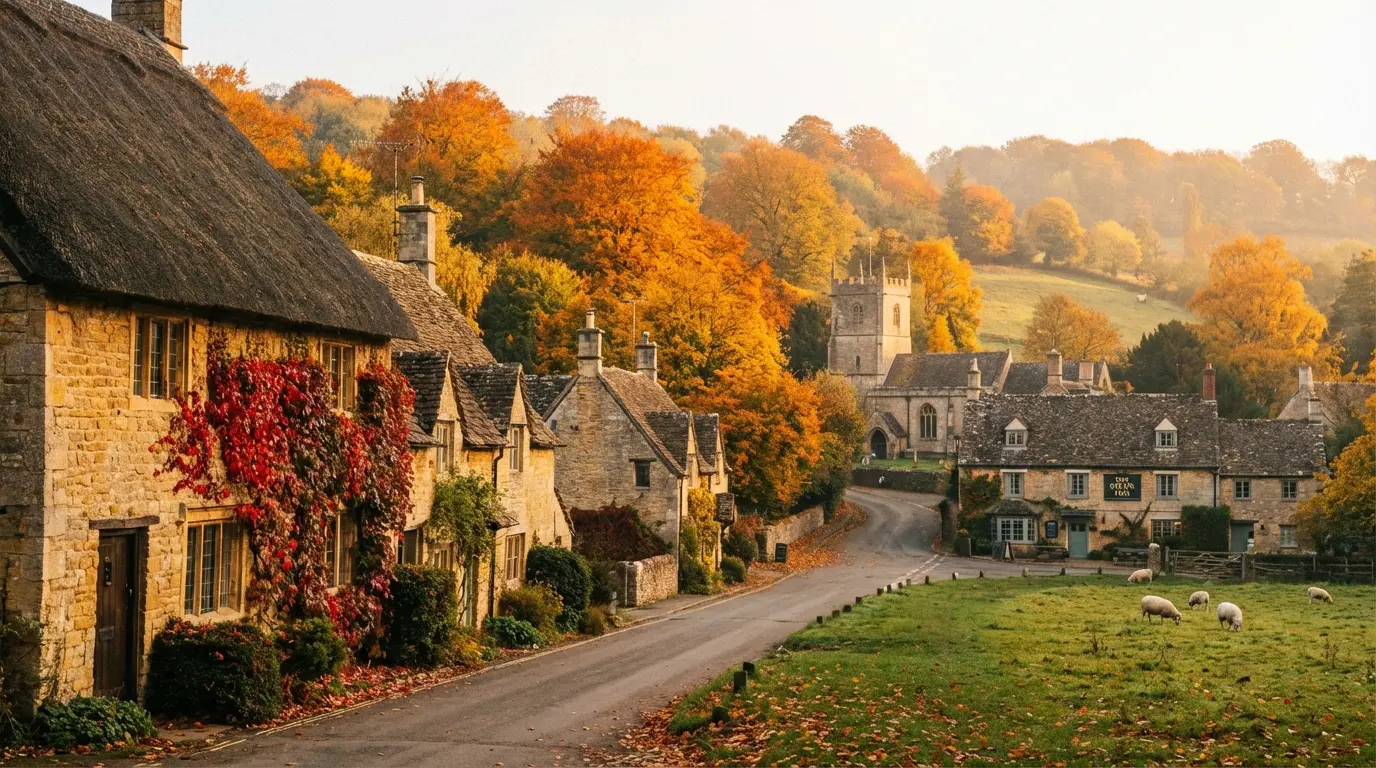
September and early October are, in my experience, the best-kept secret for heritage travel in England. Schools are back in session, which dramatically reduces crowds at every major site. The weather is still mild, often warmer than spring. The autumn light in York and the Cotswolds has a quality that is worth seeing.
Canterbury in September feels closer to the medieval pilgrimage road than Canterbury in August ever will. Lindisfarne in early October, with the island’s grasses turning gold and the sea air carrying the first sharpness of autumn, is extraordinary.
The consideration for Jewish groups is Tishrei, which typically falls in September and October. The Jewish High Holidays, Rosh Hashanah and Yom Kippur, followed by Sukkot, mean that many Jewish community members are less available for travel during this period, and the rabbi’s own schedule is at its most demanding. If your group includes observant members, September and October require careful calendar coordination.
For Christian groups with no High Holiday constraints, this window is hard to beat. For help choosing the right dates, see our group leader planning guide.
Winter (November Through February): Quiet Cathedrals and Honest Costs
Winter in England is not for every group, but it has its own appeal. The cathedrals are at their quietest. Hotel prices drop significantly. And the experience of entering a 900-year-old cathedral from the cold, grey English air and finding warmth and candlelight inside is genuinely moving.
The practical challenges are real. Daylight hours are short, sometimes under eight hours in December and January. Outdoor sites like Clifford’s Tower and Lindisfarne are exposed to wind and cold. Lindisfarne’s tidal causeway in winter requires even more careful planning, as weather can delay crossings.
London works well in winter. Bevis Marks, the British Museum, the East End walking tour, Westminster Abbey’s interior, these are all comfortable visits in cold weather. Northern sites require a group that is prepared for the conditions.
The Advent and Christmas period (late November through December) brings its own character to English cathedrals. For a Christian heritage group that wants to experience England’s churches during the liturgical season, winter can be deeply meaningful. Just know what you are signing up for and prepare your group accordingly.
The Faith Calendar: Key Dates for Jewish and Christian Groups
For Jewish groups: Passover (March-April), Shavuot (May-June), Tishrei holidays (September-October), and Hanukkah (November-December) all affect travel availability and observance requirements. London has strong kosher infrastructure year-round. Outside London, kosher options are limited, and Heritage Tours advises on the practical realities. More on kosher dining in our practical tips article.
For Christian groups: Easter (March-April) and Advent/Christmas (November-December) create both opportunities and constraints. Cathedral schedules change significantly around these periods. Services that are open to groups at other times may be reserved for parish worship. Canterbury’s pilgrimage season peaks in summer, but meaningful pilgrimage experiences are available year-round.
Heritage Tours builds every England itinerary around the faith calendar of the specific group. This is not an afterthought. It is one of the first conversations we have with every leader.
FAQ: When to Book an England Heritage Tour
What is the best season for a group heritage tour to England? Late April through early June and September through mid-October offer the strongest combination of manageable weather, lighter crowds, and reasonable costs. Spring and autumn allow heritage sites to be experienced with the quiet reflection they deserve.
How far in advance do you need to book group visits to Westminster Abbey? Group visits to Westminster Abbey, Canterbury Cathedral, and other major heritage sites typically require booking 8 to 12 weeks in advance, sometimes more during peak season. Heritage Tours manages these bookings as part of trip planning, but early confirmation of your travel dates is important.
Is England too crowded in summer for a meaningful heritage trip? Summer is the most challenging season for heritage group travel due to tourist volume and school holidays. June is better than July or August. If summer is your only option, Heritage Tours schedules visits at less-trafficked hours and secures advance bookings, but the crowds at major sites will be a factor.
Are there specific faith calendar dates that affect an England heritage tour? Yes. Passover and the Tishrei holidays (Rosh Hashanah, Yom Kippur, Sukkot) affect Jewish group availability and observance needs. Easter and Advent alter cathedral schedules and access for Christian groups. Heritage Tours plans around these dates for every group.
Is winter a viable time for a heritage group trip to England? Winter works for London-focused itineraries and groups prepared for shorter daylight hours and cold weather. Cathedrals are at their quietest, and hotel costs are significantly lower. Northern sites like Lindisfarne and York’s outdoor locations are challenging but not impossible with proper preparation.
If you are trying to find the right time for your community’s England heritage trip, we are glad to help you think through the calendar. Explore Heritage Tours’ England programs.