What Dubai Feels Like on a First Heritage Visit
For many Jewish travelers, visiting a Gulf state for the first time is not just new. It is something they once thought would never happen. Before the Abraham Accords of 2020, an Israeli passport was not recognized by the UAE. Jewish visitors to the region kept a low profile. The idea of a rabbi leading a congregational trip to Dubai would have seemed unlikely.
That has changed. But the feeling of walking into something genuinely new, something that carries both excitement and a trace of uncertainty, is real. I have seen it in the faces of group members arriving at Dubai International Airport for the first time. There is curiosity. There is a little nervousness. And within hours, there is surprise at how warmly they are received.
For Christian travelers, the feelings may be different. Some are curious about what a Muslim-majority country feels like. Others are skeptical about whether it is the right place for a faith-based trip. What most discover is a city that is more welcoming, more cosmopolitan, and more respectful of other faiths than they expected.
If this will be your group’s first visit, here is what you need to know.
Cultural Context: What Every Faith Traveler Should Know Before Arriving
Dubai is a Muslim-majority city in a country that takes its faith seriously, while also welcoming people of other faiths with genuine openness. A few points of cultural context will help your group arrive prepared.
Dress modestly at heritage and religious sites. For women, this means shoulders and knees covered. At mosques, a headscarf is required, and most sites provide abayas for visitors. Men should avoid shorts at religious sites. Outside of religious sites, Dubai is cosmopolitan in its dress, but modesty is always appreciated.
Public behavior reflects Emirati culture. Loud behavior, public displays of affection, and visible intoxication are not common and can draw unwanted attention. Your group does not need to be anxious about this. Simply being respectful and aware is enough.
Alcohol is available in licensed hotels and restaurants but is not part of the public culture in the way it might be at home. During Ramadan, daytime restrictions on eating, drinking, and smoking in public apply to all visitors.
These are not burdensome rules. They are the norms of a culture that values dignity and hospitality, and your group will be treated with the same.
Practical Things That Surprise First-Time Visitors
Three things consistently surprise heritage groups on their first visit to Dubai.
First, the city is enormous and spread out. Dubai is not a walking city. The distance between Al Fahidi and the Jumeirah Mosque, or between Downtown Dubai and the airport, requires a car. For groups, this means private transport is not optional. Heritage Tours arranges group transport for every day of the itinerary because navigating Dubai independently as a group of twenty is not practical.
Second, Dubai feels remarkably modern and international. Many visitors expect something more traditional. What they find is a city of glass towers, luxury hotels, international restaurants, and a population where Emiratis are a minority among residents from India, Pakistan, the Philippines, Europe, and the Americas. The traditional and the modern exist side by side, but the modern is dominant.
Third, the hospitality is genuine. First-time visitors, especially Jewish travelers, are often surprised by how warmly they are received. Mosque guides, hotel staff, restaurant servers, and local operators consistently treat visitors with a kindness that feels personal, not professional. This surprises people who expected formality or distance.
The Three Experiences You Will Not Forget
From the groups we have worked with, three experiences consistently rise above the rest.
The Abrahamic Family House in Abu Dhabi. Walking through a mosque, a church, and a synagogue on one campus, built by the same government as a statement of peace, is an experience that stays with people. Many group members describe it as the most moving site they visited anywhere in the world.
The Jumeirah Mosque Open Doors program. Being invited into a mosque as a guest, offered coffee and dates, and given the space to ask real questions about Islam creates a connection that reading about interfaith dialogue never can.
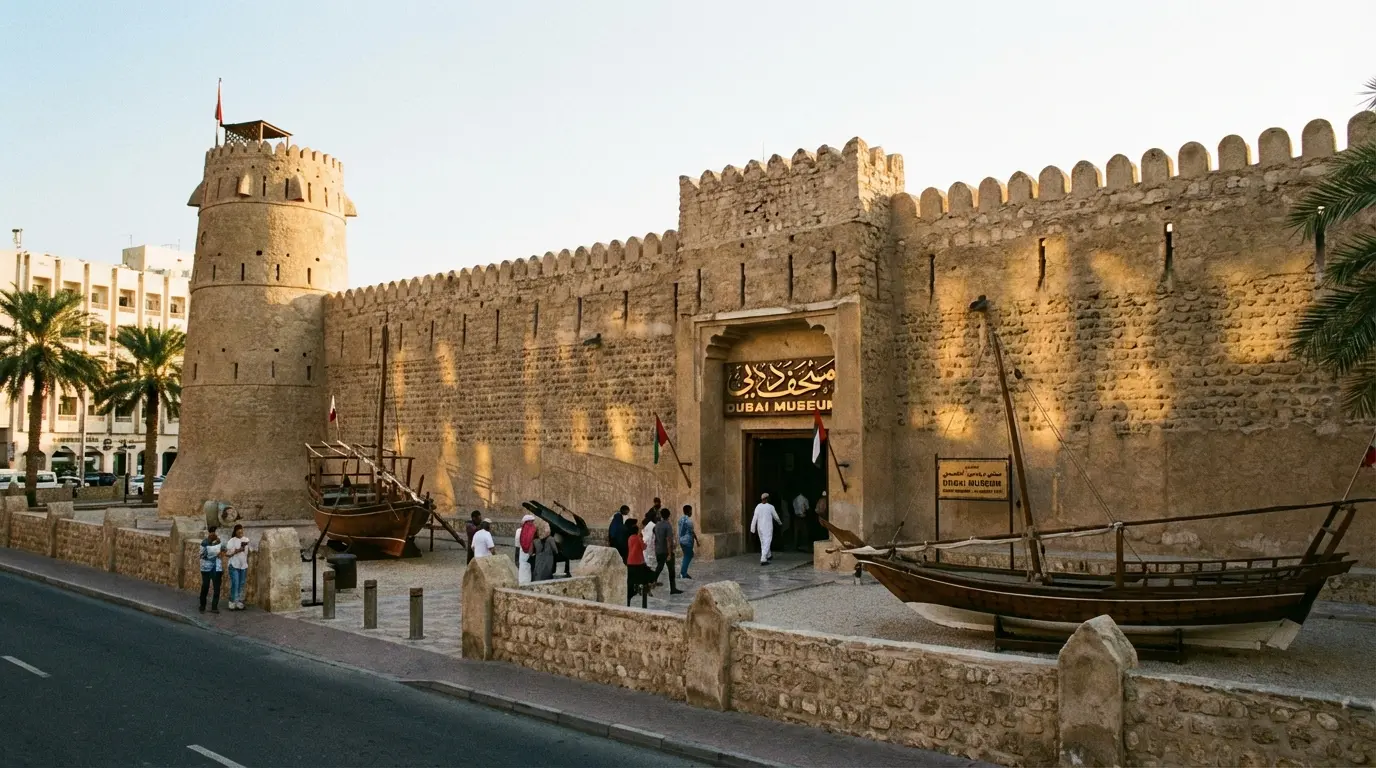
Old Dubai. Walking through Al Fahidi Historical Neighbourhood and crossing Dubai Creek on a traditional abra gives your group a physical experience of what this city was before the towers. The contrast between old and new Dubai is powerful, and it grounds the visit in something tangible.
Common First-Timer Mistakes in Dubai
A few mistakes are common enough to name.
Not booking the Abrahamic Family House in advance. Group visits require advance coordination. Do not assume you can arrive on the day and gain entry.
Underestimating the distances. A group that tries to walk between major sites in Dubai will lose time and energy. Group transport should be arranged for every heritage day.
Scheduling a visit during Ramadan without preparation. Ramadan is a beautiful time to visit Dubai, but the daytime restrictions on eating, drinking, and site hours require itinerary adjustments. Know the dates before you commit to travel dates.
Not bringing modest clothing. Even travelers who know the dress code sometimes pack for weather rather than culture. Remind your group that lightweight, modest clothing is essential for mosque and heritage site visits.
Assuming Dubai has nothing meaningful to offer. Some travelers arrive expecting only shopping malls and skyscrapers. If the itinerary is built around heritage, the experience is genuinely rich. The mistake is not visiting Dubai. The mistake is visiting without a heritage plan.
What to Tell Your Group Before They Land
As a group leader, a short pre-departure briefing makes a real difference. Here is what we recommend sharing.
Dubai is safe, modern, and welcoming. The UAE has among the lowest crime rates in the world. Your group will feel secure throughout the visit.
Dress modestly at heritage sites. Pack lightweight, loose clothing that covers shoulders and knees. Women should bring a scarf for mosque visits.
The city is not walkable. We will have group transport every day. Stay with the group for site visits.
Kosher food is available but requires advance planning. If your group has dietary needs, they are already arranged. Let the group know what to expect.
The people are warm. Expect genuine hospitality from guides, mosque staff, hotel personnel, and people you meet along the way. The culture of welcome in the UAE is real.
This trip is about something meaningful. It is about witnessing what coexistence looks like in a part of the world that is building it deliberately. Come with an open heart and a willingness to be surprised.
Frequently Asked Questions
Is Dubai safe and welcoming for first-time Jewish travelers?
Yes. Dubai is one of the safest cities in the world, and Jewish travelers are openly welcomed since the Abraham Accords. Jewish religious practice, including wearing kippot and observing Shabbat, is respected. Chabad Dubai provides communal support for visiting groups.
What cultural protocols should a faith group follow in Dubai?
Modest dress at religious and heritage sites, respectful public behavior, awareness of Ramadan restrictions if traveling during the holy month, and asking permission before photographing people. These are basic courtesies that reflect the local culture of dignity and hospitality.
Can you bring religious items (Torah, Bible) into the UAE?
Yes. Religious texts and items for personal use can be brought into the UAE without issue. The UAE permits the practice of all faiths and does not restrict religious items for personal worship.
What is the dress code for heritage sites in Dubai?
Shoulders and knees should be covered at all religious and heritage sites. Women need a headscarf for mosque visits, and many sites provide abayas. Men should wear long pants and shirts with sleeves. Outside of religious sites, Dubai is more relaxed but modesty is always appropriate.
Is Dubai a good destination for older adults in a heritage group?
Yes. Dubai’s heritage sites are generally accessible, and group transport eliminates the need for extensive walking. The weather between November and March is comfortable, and hotels and restaurants are accustomed to accommodating groups of all ages. The Abrahamic Family House campus is accessible, and mosques provide seating areas.
If your group is considering Dubai for the first time, we would be glad to answer your questions. We know what first-time visitors worry about, and we know what they discover when they arrive. Let us help you prepare your group for a journey that will stay with them.