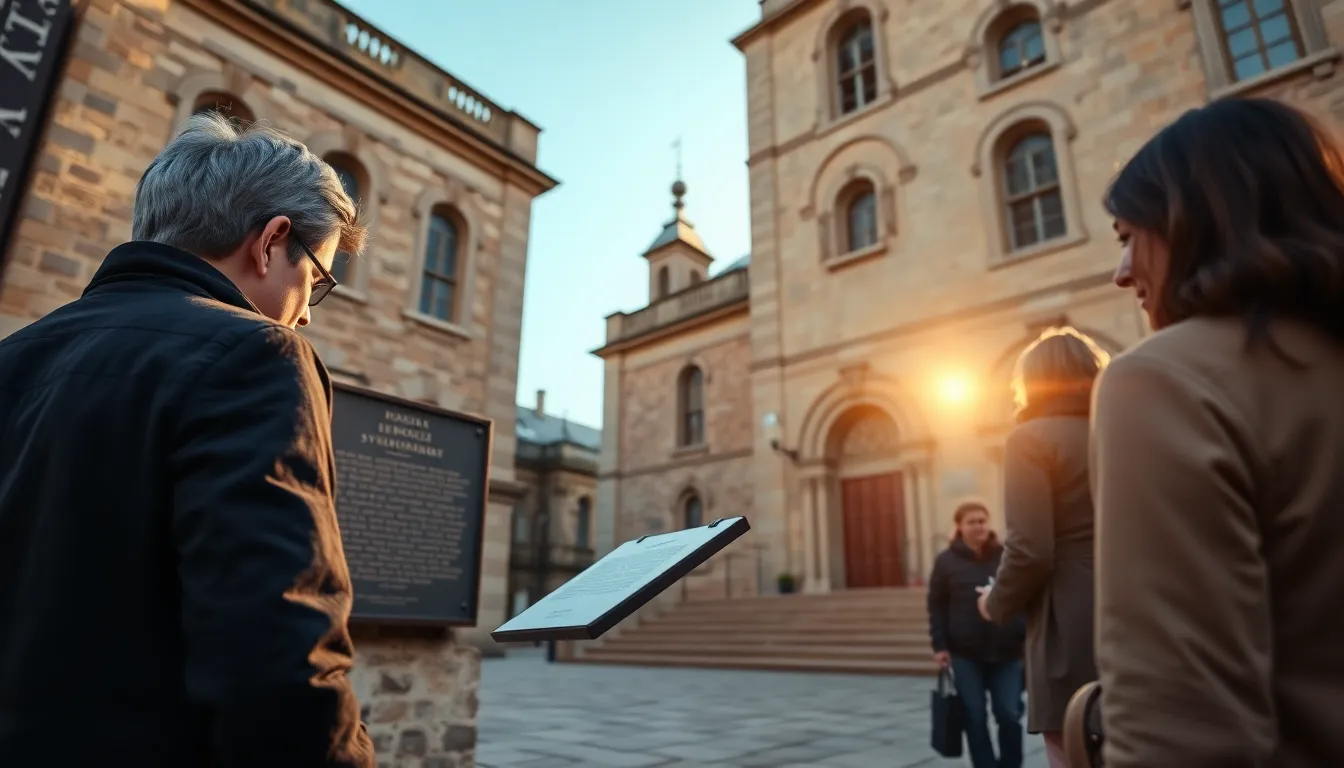
The best bar mitzvah trip I ever helped plan did not happen in Israel. It happened across Scotland, Wales, and Northern Ireland, and it changed how I think about coming-of-age travel entirely.
The family came to me wanting something different. Their son had read his Torah portion beautifully, the party had been lovely, and they wanted the trip that followed to mean something more than a reward. They wanted him to step into the adult Jewish world by understanding where his people had actually lived, struggled, and built. We mapped a journey through Britain’s smaller nations, and watching that boy stand in a Glasgow synagogue and a Welsh hillside cemetery, I saw the milestone land in a way no theme park ever could.
If you are a parent, a rabbi, or an educator thinking about how to mark this passage, let me walk you through why Britain’s nations work so well, and how to build a trip that does the moment justice.
Why a Heritage Trip Suits This Milestone
A bar or bat mitzvah is about taking on responsibility. It is the point where a young person becomes accountable to the tradition, to the community, to the story. A heritage trip makes that abstract idea physical. Instead of telling a thirteen-year-old that they belong to a people with a long and complicated history, you let them walk through it.
Scotland, Wales, and Northern Ireland are particularly good for this. They are smaller, quieter, and more intimate than the big centers. A young person is not lost in crowds at a major monument. They can stand in a modest synagogue that an immigrant community built with their own hands, read the names on a cemetery stone, and grasp the whole shape of a community in a single afternoon. The scale is human, and that is exactly right for this age.
There is also the matter of attention. Thirteen-year-olds engage with stories they can touch. The legend that the first Jews came to Wales with the Romans, the Kindertransport children who found shelter in the Scottish countryside, the merchant families who built Belfast’s community from nothing. These are concrete, vivid, and memorable in a way that lectures are not.
Framing the Journey: From Reading to Doing
The strongest coming-of-age trips have an arc. I encourage families to think of the journey as a continuation of the ceremony itself, moving the young person from reading about the tradition to standing inside it.
Start with the beginnings. In Edinburgh and Glasgow, you can trace organized Jewish life in Scotland from its first small congregation through the wave of immigration that built it into something lasting. For a young person, seeing where a community started, often with just a handful of families, makes the idea of building something from nothing feel real.
Then move to endurance. The Welsh communities, scattered through the Valleys and anchored in Cardiff, show how Jewish life took root in unexpected places and held on. And the Kindertransport story, told with care, shows young people what it meant for children not much older than they are to be sent to safety alone. That conversation, handled with dignity, is one of the most formative a young person can have.
Close with belonging. By the end of the trip, a young person should understand that they are part of a story that stretches back centuries and across borders, and that they now carry a piece of it forward. That is the real ceremony.
Building It Around the Young Person
A trip for a thirteen-year-old is not a trip for adults with a child attached. I plan these differently, and the difference matters.
Pacing comes first. We keep site visits focused and leave room for the things that actually cement memories, the walk through an old Jewish quarter, the meal in a place with history, the unhurried hour in a cemetery where a young person can ask the questions that matter. Cramming kills the experience at this age.
I also build in active engagement rather than passive viewing. Giving a young person a role, reading an inscription aloud, finding a particular grave, presenting a short piece of history to the group, turns them from a spectator into a participant. That shift is the whole point of the milestone.
And I keep the difficult material proportionate and honest. The Holocaust and the Kindertransport belong in any serious Jewish heritage trip, including one for young people. But they are handled with care, framed around survival and rescue and human courage, never sensationalized. Young people can hold these stories when they are told with respect.
A Trip That Works for Families and Groups Alike
These journeys work beautifully for a single family marking one child’s milestone, and they work just as well for a synagogue or school group bringing a whole cohort of b’nei mitzvah together. I have done both, and each has its own magic.
For a group, there is the power of shared experience, a class of young people moving through the story together, the conversations spilling out on the bus, the bonds that form. For a family, there is intimacy, the chance to make the trip specific to one young person and the family’s own history. We shape the itinerary around whichever shape fits you.
If you want to understand the wider heritage landscape first, our Jewish heritage of the UK overview lays out the full picture, and the pieces on the history of Jewish Scotland and the Kindertransport in Scotland and Wales go deeper on two of the stories that resonate most with young people.
Heritage Tours builds every itinerary around the specific needs of your family or group, and with 15 or more participants, the group leader travels free, which makes a school or synagogue cohort trip far more achievable. You can explore the full picture on our United Kingdom destination page or see how the group experience works on our group heritage tours page.
FAQ: Planning a Bar or Bat Mitzvah Heritage Trip in Britain
Why choose Scotland, Wales, and Northern Ireland for a bar mitzvah trip?
These nations offer an intimate, human scale that suits young people. Communities here were smaller, so a thirteen-year-old can grasp the whole shape of a congregation in a single visit rather than getting lost in crowds at a major monument. The stories are concrete and vivid, from the first Scottish congregation to the Kindertransport children, which makes the history land for this age.
What age is right for a heritage coming-of-age trip?
These trips are designed around the bar and bat mitzvah age, roughly twelve to fourteen, when a young person is ready to engage with real history and take on a sense of responsibility. The pacing, the active roles we build in, and the way difficult material is handled are all calibrated for this stage. Younger siblings often come along and get plenty out of it too.
How do you handle the Holocaust and Kindertransport with young people?
With care and proportion. These stories belong in a serious Jewish heritage trip, but for young people we frame them around survival, rescue, and human courage rather than horror. The Kindertransport in particular resonates because the children rescued were not much older than the travelers themselves. We never sensationalize, and we leave room for questions.
Can a single family book this, or is it only for groups?
Both work well. A family can mark one child’s milestone with an itinerary shaped around that young person and the family’s own history. A synagogue or school can bring a whole cohort of b’nei mitzvah together, which adds the power of shared experience. With 15 or more participants, the group leader travels free, which helps a cohort trip come together.
How long should a bar or bat mitzvah heritage trip be?
Most families and groups find a week to ten days is the sweet spot. That gives enough time to trace the arc across Scotland, Wales, and Northern Ireland without rushing, and to leave room for the unhurried moments that actually cement memories at this age. We tailor the length to your group’s schedule and budget.
If you are thinking about how to mark this milestone in a way your young person will carry for life, I would love to help you shape it. Every family and every young person is different, and the right trip is the one built around yours. Contact us whenever you are ready to begin.