Why Timing Matters More for a Heritage Group
When a solo traveler asks “when should I visit Amsterdam?” the answer is usually about weather and tulips. For a heritage group, the question is more layered.
You are coordinating 20 or more schedules. You need to work around your community’s calendar, whether that means High Holy Days, Easter, school breaks, or the church programming year. You need access to sites that have limited group entry, like the Anne Frank House. And you need to avoid the weeks when Amsterdam is so crowded with tourists that moving a group of 25 through the Jewish quarter becomes an exercise in frustration rather than reflection.
The right timing can mean the difference between a group that has space to absorb what they are seeing and a group that spends half the trip waiting in lines.
Spring (March to May): Beautiful and Busy
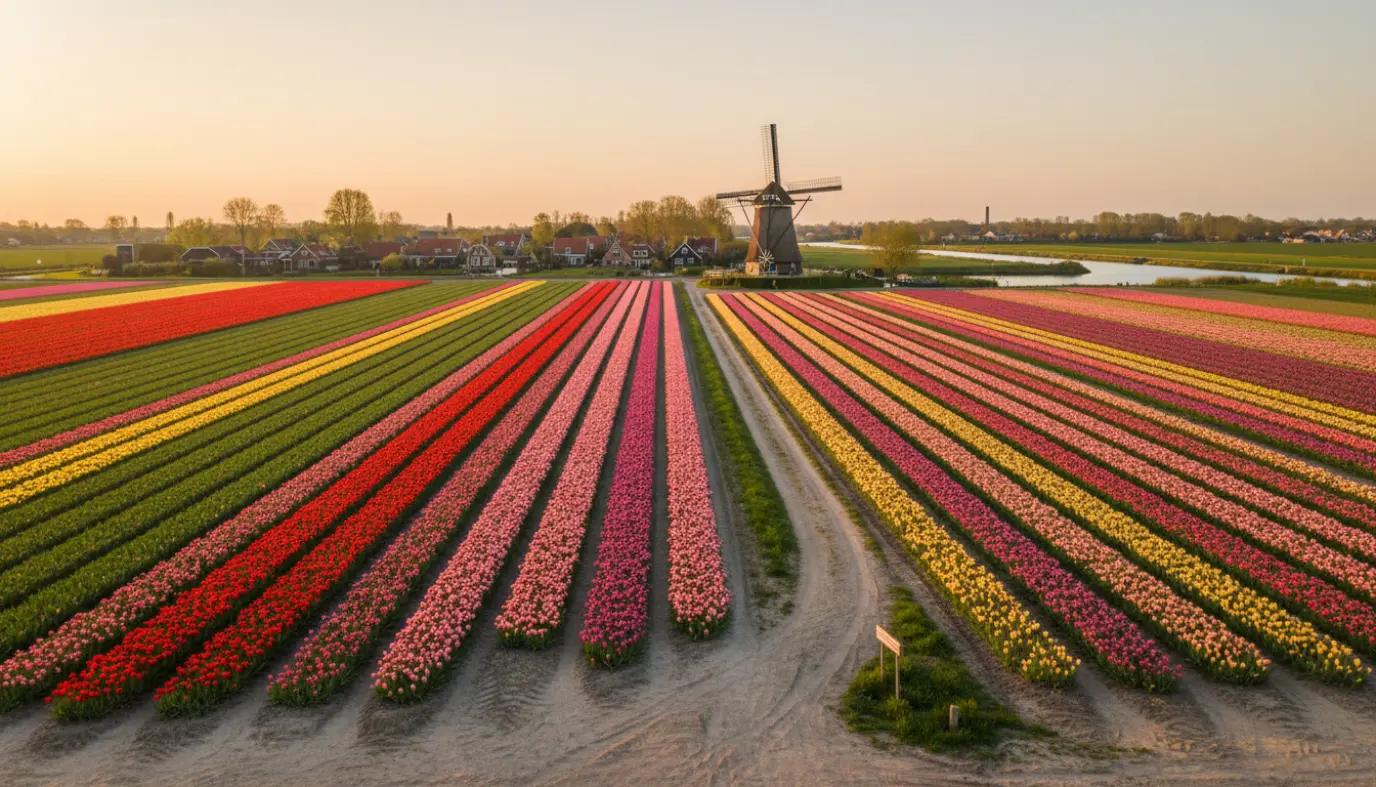
Spring is when Amsterdam comes alive. The tulips bloom, the canals fill with light, and the city shakes off a long, gray winter. It is genuinely beautiful, and your group will enjoy being outside.
The catch: everyone else has the same idea. April and May are peak tourist months, especially around King’s Day (April 27) and the Easter holiday period. The Anne Frank House waitlist for group bookings gets very long. The Portuguese Synagogue has more foot traffic. Restaurants near the Jewish quarter are harder to book for a group of 20.
If you choose spring, book early. Eight to twelve weeks in advance for major sites is the minimum, and longer is better. Heritage Tours works with local operators who have established booking relationships, which helps, but spring still requires more advance planning than any other season.
Passover typically falls in March or April, which means a Jewish group visiting during Passover will find local Seder options but will need them arranged well ahead of time.
Summer (June to August): Peak Crowds, Long Days
Summer gives you the longest daylight hours and the warmest weather, which is appealing for a group that wants to spend time walking Amsterdam’s streets and visiting outdoor sites. The Westerbork memorial, largely an open-air experience, is comfortable in summer.
But Amsterdam in July and August is genuinely difficult for a heritage group. The city’s population effectively doubles with tourists. Lines at the Anne Frank House stretch for hours. The narrow streets of the Jewish quarter fill with tour groups, bachelor parties, and crowds that have nothing to do with heritage travel. The atmosphere is not what your community came for.
If summer is the only time your community can travel, it can work. Heritage Tours plans around the crowd patterns, scheduling major sites for early morning or late afternoon when numbers are lower. But if you have flexibility, consider fall instead.
Fall (September to November): The Sweet Spot for Heritage Groups
Fall is, in my experience, the best time for a heritage group to visit the Netherlands.
September and early October offer mild weather, manageable crowds, and full access to every site. The tourist season has wound down, but the days are still long enough for a full itinerary. The Portuguese Synagogue, the Jewish Historical Museum, and the Anne Frank House are all less crowded, which means your group can spend more time and less energy on waiting.
There is one important calendar consideration: the High Holy Days. Rosh Hashanah and Yom Kippur fall in September or early October, depending on the year. For a Jewish group, this can be an extraordinary opportunity. Attending Yom Kippur services at a historic Amsterdam synagogue is an experience that very few people get to have. But it also means the synagogue is not available for standard group visits during those days.
For a Christian group, fall has few scheduling conflicts. The church calendar is typically clear between Labor Day and Advent, and a mid-September or October trip avoids both summer chaos and winter cold.
November gets colder and darker, but it also brings the lowest prices and the smallest crowds. If your group does not mind gray skies, November is surprisingly rewarding. The heritage sites feel more intimate with fewer people around.
Winter (December to February): Quiet, Affordable, and Worth Considering
Winter in the Netherlands is cold, damp, and dark by mid-afternoon. That is the honest truth.
But winter also has real advantages for a heritage group. The sites are nearly empty. The Portuguese Synagogue, lit by its thousand candles, is even more striking in the dark of a December afternoon. The museums have space for your group to linger. And prices for flights and hotels drop significantly, which can make the difference for a community working within a budget.
Hanukkah in December can be meaningful in Amsterdam, where the Jewish community holds public menorah lightings and events. Christmas and New Year draw their own crowds, but January and February are among the quietest months in the city.
The main limitation is daylight. Sunset comes before 5:00 PM in December, which shortens the day for outdoor sites like Westerbork and the walking tours of the Jewish quarter. Plan accordingly and build in more indoor time.
Jewish Holiday Calendar: What to Know Before You Book
The Jewish calendar moves each year, so check the specific dates for your planned travel year. Here are the key considerations:
Rosh Hashanah and Yom Kippur (September or October): Synagogues will be holding their own services and are generally not available for tourist visits. However, if your group wants to attend High Holy Day services in Amsterdam, Heritage Tours can coordinate this in advance. It is a rare and powerful experience.
Sukkot (September or October): Some Jewish sites will have modified hours. The Portuguese Synagogue and Jewish Historical Museum may adjust schedules around Sukkot observance.
Passover (March or April): If your group travels during Passover, kosher-for-Passover meals and Seder arrangements need to be planned well in advance. Amsterdam has options, but they require coordination.
Shabbat (every week): Shabbat affects Friday evening and Saturday scheduling year-round. Heritage Tours builds Shabbat into the itinerary for Jewish groups so it is honored as a day of rest, not treated as lost touring time.
FAQ: Timing Your Netherlands Heritage Trip
What is the best month for a group heritage trip to Amsterdam? September and early October offer the best combination of mild weather, manageable crowds, and full access to heritage sites. Late April and May are also strong if you book well in advance.
Are Amsterdam’s Jewish sites open during Jewish holidays? The Portuguese Synagogue and Jewish Historical Museum may have modified hours during major Jewish holidays. Heritage Tours checks the specific calendar for your travel dates and adjusts the itinerary accordingly.
Is winter a good time to visit the Netherlands for a heritage tour? Winter is cold and dark but offers the quietest sites and lowest prices. The Portuguese Synagogue lit by candlelight in winter is especially striking. Indoor sites like museums are comfortable year-round.
How far in advance should I book a group visit to Anne Frank House? For group bookings, plan at least 8 to 12 weeks in advance during spring and summer. Fall and winter bookings can sometimes be arranged with shorter notice, but earlier is always better.
What is the least crowded time to visit the Portuguese Synagogue? Weekday mornings in fall and winter see the fewest visitors. Summer weekends are the most crowded. For the Shabbat evening service, which is the most meaningful way to experience the synagogue, advance coordination through Heritage Tours is needed regardless of season.
Choosing the right time for your group’s Netherlands heritage journey is one of the most important decisions you will make in the planning process. It affects everything, from the crowds at the Anne Frank House to the availability of Shabbat services. If you would like help matching your community’s calendar with the best travel window, explore our Netherlands heritage tours and start the conversation.