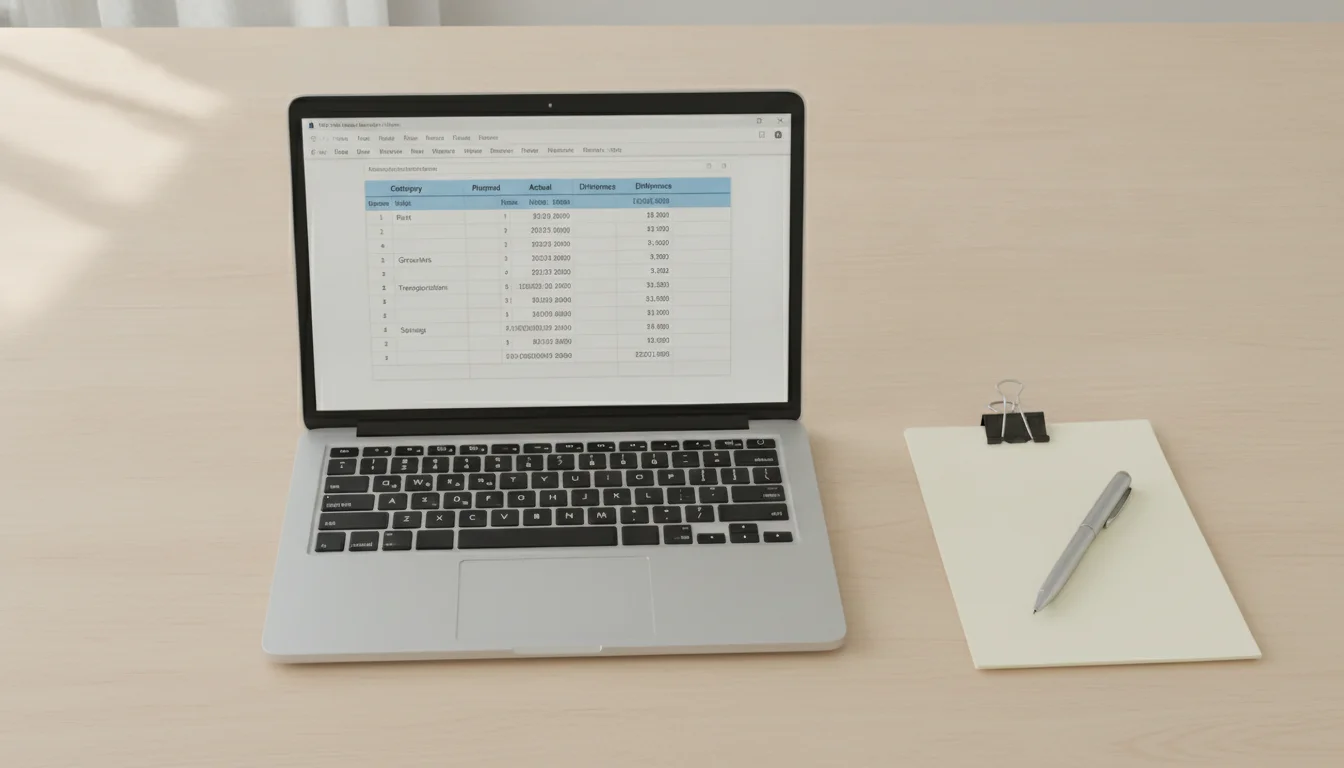
The question that comes up in nearly every initial planning conversation is: how much does this actually cost? The industry gives a range and the range is wide enough to be almost useless without more context.
Here is the more honest version: what drives the number, how to build a realistic budget from scratch, and where most programs go wrong on the cost side.
The Industry Benchmark
For an international incentive trip of four to five days, the standard per-person range is $4,000 to $6,000. That is a wide range, and both ends of it are real.
Programs at the lower end tend to involve shorter trips, more modest hotel categories, fewer private experiences, and flight origins that have better pricing to the destination. Programs at the upper end tend to involve premium hotels, more private and customized experiences, and flight origins with longer hauls or less direct routing.
For an Israel program specifically: four to five days, good hotel (four or five star), private guides throughout, quality group dinners, and ground transportation, you are typically looking at $4,500 to $5,500 per person when departing from a major North American city. That is the realistic planning number.
How the Budget Breaks Down Per Category
Understanding where the money goes helps you make trade-offs when you need to adjust.
Flights: For a North American group traveling to Israel, flights per person typically run $1,200 to $1,800 round trip for business class, or $700 to $1,000 for economy. Most incentive programs book business class for longer haul international trips; the experience difference on a ten-hour flight is significant enough to affect the first day’s experience. Budget $1,400 to $1,700 per person for a mid-range international flight assumption.
Hotels: Four-star hotels in Jerusalem and Tel Aviv run $200 to $350 per night depending on season and availability. Five-star properties run $400 to $600. For a four-night stay, budget $800 to $1,400 per person for double occupancy, or $1,400 to $2,400 for single rooms. Most incentive programs offer single rooms to qualifiers. That is part of what makes it feel like a real reward.
Ground transportation: For a group of 20 to 40 people, private vehicle transportation throughout Israel runs $150 to $250 per person for the full trip. This covers airport transfers, all site visits, and inter-city travel. It is worth paying for private transportation rather than using shared shuttles. The difference in experience and flexibility is significant.
Guides: Private licensed guides in Israel run $500 to $700 per day for the group. For a four-day program with full-day guiding on three of the four days, budget roughly $50 to $80 per person in guide fees for a group of 20.
Activities and experiences: This is the most variable line item. The Dead Sea is essentially free once you are there. A private wine tasting at a Judean Hills winery runs $60 to $90 per person. A cooking class runs $80 to $120. A private archaeology experience runs $100 to $150. For a program with two to three premium experiences, budget $200 to $400 per person.
Group meals: Private group dinners at quality restaurants in Jerusalem and Tel Aviv run $80 to $150 per person. For three to four group dinners across a four-day program, budget $300 to $600 per person.
Program management fee: Working with a destination specialist who handles the full program typically runs 10 to 15 percent of the total trip cost. On a $5,000 per-person program for 25 people, that is $12,500 to $18,750 total, or roughly $500 to $750 per person. This covers hotel contracting, all logistics coordination, guide selection and briefing, restaurant reservations, and on-the-ground support for the duration.
What “Per Person” Really Means
Per-person cost in incentive travel applies to qualifiers only, not to the full eligible sales team. If you have 80 eligible salespeople and 15 qualify, the program cost is for those 15 people plus the group leader.
Groups of 15 or more qualify for a complimentary group leader spot, which covers the trip for the program manager or executive accompanying the group. Factor this into your initial estimate.
The total program budget is therefore: (number of expected qualifiers + 1 group leader) times the per-person cost. If you expect 20 qualifiers on a $5,000 per person program, the total budget is roughly $105,000.
What You Can Control vs. What You Cannot
Can control: Hotel category, single vs. double rooms, activity selection, how many group meals vs. meals at leisure, ground transportation class, whether you include business or economy class flights.
Cannot control significantly: Destination pricing (Israel is what it is), flight pricing at the time of booking, and the base costs of professional guides and quality restaurants.
The biggest lever on the per-person cost is actually hotel category. Moving from a five-star to a well-selected four-star property can reduce the per-person cost by $500 to $800 without meaningfully affecting the experience, provided the four-star property is in the right location and handles groups well. Your destination specialist can identify which properties work.
Where Programs Commonly Underspend
The area where I most often see programs scrimp on quality is the guide. This is a mistake.
A private guide in Jerusalem who is genuinely excellent does something a mediocre guide cannot: they make the experience feel personal, they read the group’s reactions and adjust, and they turn what would otherwise be a site visit into something that stays with people. The difference between a $400-per-day guide and a $700-per-day guide is not 75 percent more facts. It is a fundamentally better experience.
Group dinners are the second area where programs try to save money and regret it. A $60 per-person dinner at a mediocre restaurant is not the same as a $120 per-person dinner at a restaurant with real character and excellent food. One of those creates a memory. The other is just logistically convenient.
Where Programs Commonly Overspend
On the other side, some programs load in expensive extras that do not add proportionate value to the experience. Very high-end hotel upgrades beyond a solid five-star level, elaborate welcome amenities, and some categories of “experiential add-ons” marketed to corporate groups often cost significantly more than they deliver.
The program components that consistently justify their cost are: the flights (comfort matters on a ten-hour journey), the guide, and the group dinners. Those are the places to spend. The extras can usually be scaled back without the group noticing.
How to Build the Budget Proposal
When presenting the budget internally, break it into three scenarios: a baseline program, a premium version, and a reduced version. Show exactly what changes between each.
This framing does two things. It gives leadership a choice rather than a binary yes/no, and it demonstrates that you have thought through the cost drivers carefully. The baseline scenario should be a genuinely good program, not a stripped-down version you would not actually recommend. Show what a real program costs.
Then show the ROI case alongside the budget. If the program generates $800,000 in incremental revenue and costs $125,000, that context changes the conversation entirely.
Our incentive travel to Israel guide covers what the full program experience looks like, and our how to plan an incentive trip walks through the full planning sequence. When you are ready to discuss specific program pricing, reach out directly and we will put together a detailed estimate based on your group size, dates, and program goals.
FAQ
What is the average cost of an international incentive trip per person?
$4,000 to $6,000 per person is the standard range for a four to five day international program covering flights, hotels, ground transportation, activities, and program management. Israel programs typically land at $4,500 to $5,500 per person from North America.
Should we book business or economy class for an incentive trip?
For trips requiring ten or more hours of flight time, business class is standard for incentive programs and makes a meaningful difference in how participants arrive. Economy class is workable for shorter hauls. The decision affects both the per-person cost and the participants’ first-day experience.
How does group size affect the per-person cost?
Per-person cost generally decreases as the group gets larger, because hotel block rates, ground transportation, and group dining all benefit from volume up to a point. A program for 40 people will typically cost less per person than an equivalent program for 15.
What is the most important place to invest in an incentive program?
The guide, without much argument. An excellent private guide transforms what would otherwise be a pleasant site visit into an experience people talk about for years. It is the one area where the cost difference is small relative to the experience difference.
Are there ways to reduce the per-person cost without cutting quality?
Yes. Choosing a well-located four-star hotel rather than a five-star is the biggest lever. Reducing the number of premium add-on activities and putting that budget into guide quality and group dinners also tends to produce a better overall experience at the same total cost.
Does the per-person cost include all travelers, or just qualifiers?
Just qualifiers, plus the group leader. Groups of 15 or more qualify for a complimentary group leader spot, which covers the trip for the program manager or accompanying executive.